
One year has passed. The questions haven’t.
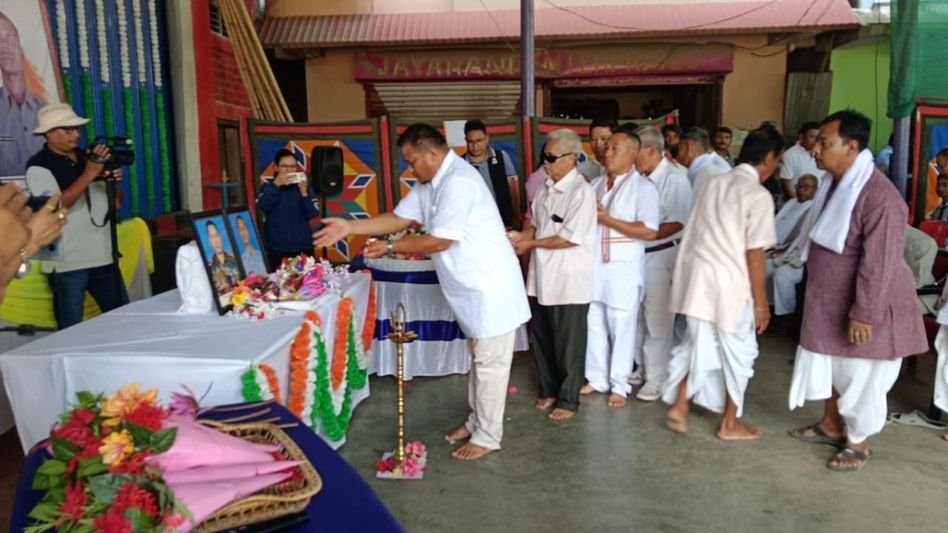
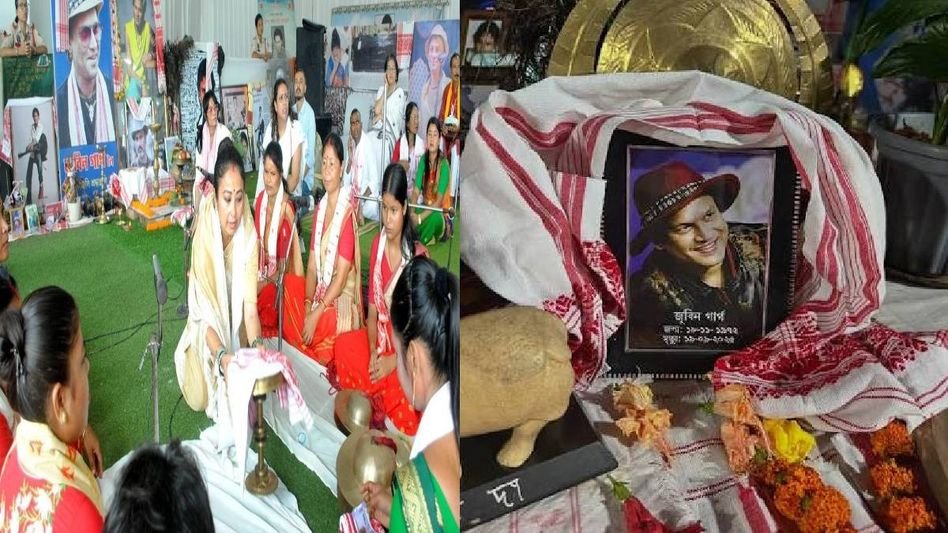
On Saturday, September 19, hundreds of fans, family members, and fellow artistes converged on Zubeen Khetra in Sonapur — a temporary memorial site on the outskirts of Guwahati — to mark exactly one year since the passing of Assamese music legend Zubeen Garg. The air was heavy with emotion, and his songs floated through the crowd like something that simply refused to let go.
Garg died on this date in 2025, leaving behind a vast and deeply loved body of work spanning Assamese music, Indian cinema, and everything in between. His death sent shockwaves through Assam — not just because the state had lost an irreplaceable voice, but because the circumstances surrounding that loss almost immediately sparked calls for a proper investigation.
Those calls are still loud.
To mark the occasion, Assam’s Cultural Affairs Department organised a three-day programme beginning Thursday, concluding on Saturday. The crowds that turned up told their own story. These weren’t just casual attendees. These were people who grew up with Garg’s music, who feel his absence as something personal.
On Friday, singer Angaraag ‘Papon’ Mahanta visited Zubeen Khetra and spent time with Garg’s wife, Garima Saikia Garg. Watching the younger generation sing Zubeen’s songs at the venue, Papon struck a gentle but meaningful note. “It is not the right time to point out their mistakes; we should encourage them to sing his songs. The mistakes can be rectified later on,” he said. There’s something quietly profound in that — the idea that keeping a legacy alive matters more than perfection.
Veteran actor Arun Hazarika also made his way to the site, and he didn’t shy away from the harder conversation. He echoed the demand for justice in Garg’s death but added a measured caution — “We want justice for Zubeen, but this should not be at the cost of injustice to someone else.” He also welcomed the re-release of Garg’s final film, Roi Roi Binale, which returned to theatres across Assam on Friday, giving fans one more way to sit with his memory.
Sivasagar MLA Akhil Gogoi brought a sharper political edge to the gathering. He urged the state government to officially declare September 19 as Zubeen Divas and mark it as a public holiday. But he didn’t stop there. Gogoi took aim at the government’s sluggish handling of the investigation into Garg’s death, saying the process should have been wrapped up within six months. He also pointed to something symbolic and somewhat embarrassing — even after a full year, the boundary walls of Zubeen Khetra haven’t been built. “It is unfortunate that even a year after his passing, even the boundary walls of Zubeen Khetra have not been constructed,” he said plainly.
That one detail carries weight. A man of Zubeen Garg’s stature — someone whose music defined generations — deserves more than an incomplete memorial site and an unresolved investigation on his first death anniversary.
The crowd at Sonapur on Saturday was proof that Assam hasn’t moved on, and perhaps shouldn’t yet. The singing, the tears, the demands for answers — they all point to the same truth. Zubeen Garg may be gone, but the people who loved him aren’t done fighting for him.
Justice, like a good song, shouldn’t be left unfinished.