
A human rights organisation has done something that rarely happens in Arunachal Pradesh’s development debates — it has openly sided with the people over the project.
The Human Rights of Arunachal (HRA) on Thursday threw its weight behind the ongoing protests against the proposed Siang Upper Multipurpose Project (SUMP), calling on the state government to halt its current course, sit down with affected communities, and seriously reconsider what it’s doing on the banks of one of the most ecologically and culturally significant rivers in the Northeast.
The statement, issued on September 18, came against the backdrop of simmering tensions in Siang and Upper Siang districts, where villagers have been pushing back against survey, drilling and pre-feasibility report activities linked to the massive dam project. Protests at Uggeng and surrounding areas have drawn people out in numbers — a sign, HRA said, that these communities are not simply going to be bypassed.
And really, who can blame them?
The Siang River is not just a water body to the people who live along it. It is their food source, their heritage, the artery of their culture. HRA made this clear in its statement, pointing out that any infrastructure project touching villages and traditional territories must come with full information, not half-promises. The organisation argued that local residents deserve to know exactly what is being planned, what it means for their land, and what happens if things go wrong.
What makes this situation more urgent is the geography itself. The Himalayas are seismically active terrain. You don’t need to be a geologist to understand that building a large dam here without exhaustive, independent assessments is a gamble with lives. HRA flagged this directly, demanding credible evaluations of geological risks, seismic vulnerabilities, disaster management frameworks and downstream safety before any major decisions are locked in.
The organisation also asked some harder questions — questions about transparency. Where are the feasibility studies? What exactly do the MoUs say? How were those agreements reached, and were the voices of villagers genuinely heard in that process, or was it more of a formality? These are not unreasonable things to ask. If anything, the fact that communities are still asking them suggests the government has some explaining to do.
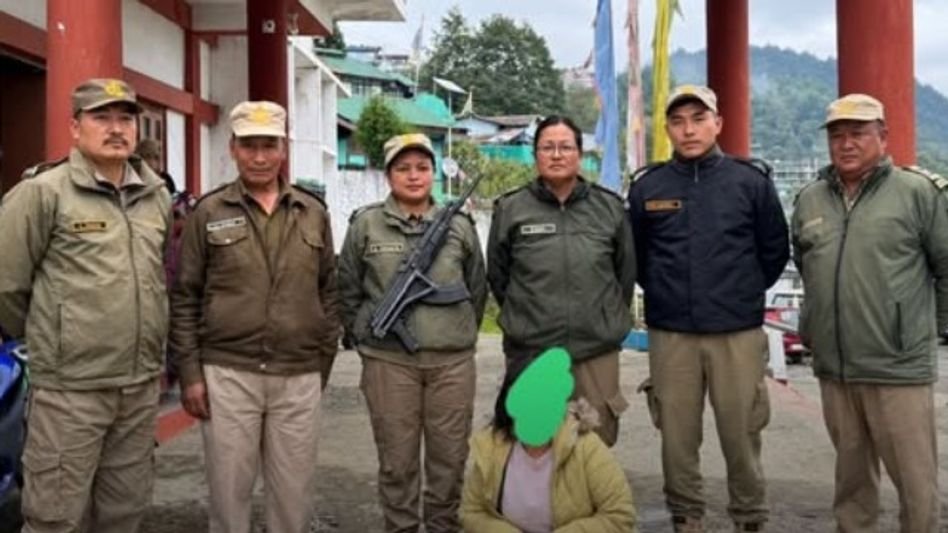
HRA also raised a concern that should not be glossed over: the reported deployment of local police and paramilitary forces in connection with the pre-feasibility activities. Peaceful protests deserve a peaceful response. No amount of infrastructure ambition justifies an atmosphere of intimidation in villages.
The organisation has urged Deputy Chief Minister and Hydro Power Minister Chowna Mein to convene an emergency meeting — bringing together affected communities, civil society groups and elected representatives — to address grievances and establish a proper mechanism for public dialogue. It also called on MLAs, ministers and MPs from these districts to stop watching from the sidelines and actually engage with the people who sent them to office.
Notably, the All Arunachal Pradesh Students’ Union (AAPSU) has been requested to step in and help bridge the gap between communities and the state.
HRA ended its statement with words that feel less like bureaucratic language and more like a rallying cry: “Protect the Siang River. Protect our ancestral land. Respect indigenous rights.”
When a rights body has to make that kind of appeal to its own government, it tells you everything about how far apart the two sides still are.