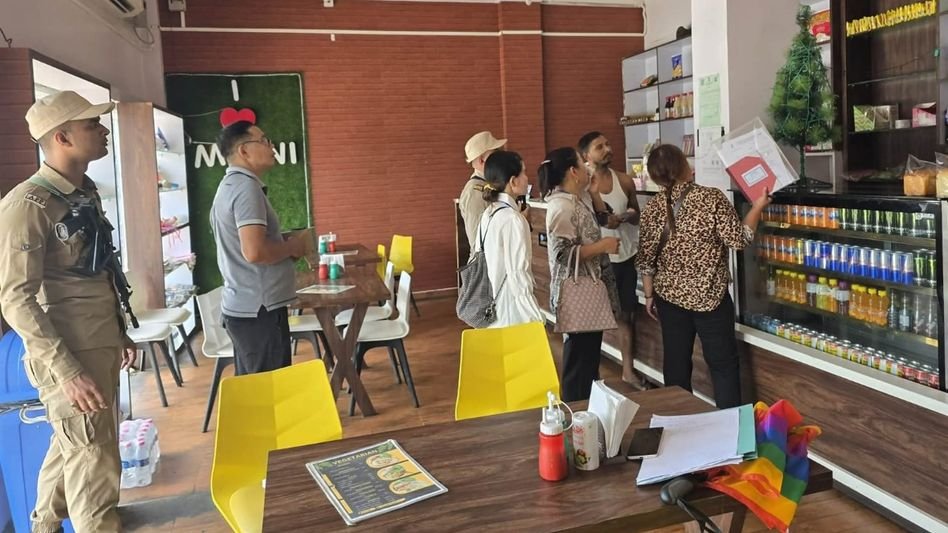
Bottles of whisky sitting in shops just metres from a school gate. Tobacco being sold where children walk every day. It sounds like something that shouldn’t be happening — and yet, when a joint enforcement team swept through Yupia and Tigdo on September 4, that’s exactly what they found.
The inspection drive, led by Trade Development Officer Sorang Yapa, covered markets and commercial areas surrounding Holy Kids Public School, Euro Kids Pre-School, Nyorch, and the Yupia-II Market in Papum Pare district. What the team uncovered painted a picture of casual, almost brazen disregard for the law — five shops operating without any valid trade licence at all, and two more running on licences that had already expired. Seven shops in total, caught red-handed.
It’s worth pausing on that number. Seven shops in a single stretch of road, in close proximity to where kids go to school every morning. The rules are not new. The laws around trade licensing and the ban on selling tobacco within 100 yards of educational institutions have been on the books for years. And yet, here we are.
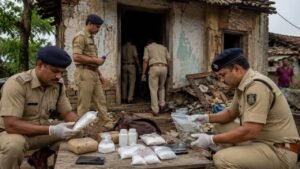
The team didn’t just issue warnings and walk away. Officials collected Rs 7,500 in penalties from the violating shops — a sum that may seem modest, but sends a clear message that these drives have teeth. Alcohol seized from the premises included nine quarter bottles of whisky and two packets of beer, all confiscated from shops sitting uncomfortably close to school compounds.
Shopkeepers were handed a 30-day deadline to get their trade licences in order — either fresh applications or renewals, depending on their situation. They were also put on notice about the tobacco ban: no stocking, no displaying, no selling of tobacco products within 100 yards of any school. Authorities made clear that anyone caught violating these norms again won’t be let off this lightly. Stricter legal action, they warned, is on the table.
What makes this enforcement drive significant isn’t just the fines or the seized bottles. It’s the signal it sends. Enforcement actions like this in smaller markets and district towns often get treated as routine — a sweep here, a penalty there, and things quietly go back to normal in a few weeks. Whether that pattern repeats itself in Yupia and Tigdo depends entirely on whether authorities follow through with the same vigour after the initial headlines fade.
Children deserve to walk to school without passing storefronts stacked with alcohol and tobacco. That’s not an unreasonable ask. And if it takes repeated enforcement drives to make that a reality in Papum Pare, then so be it — the authorities had better keep showing up.