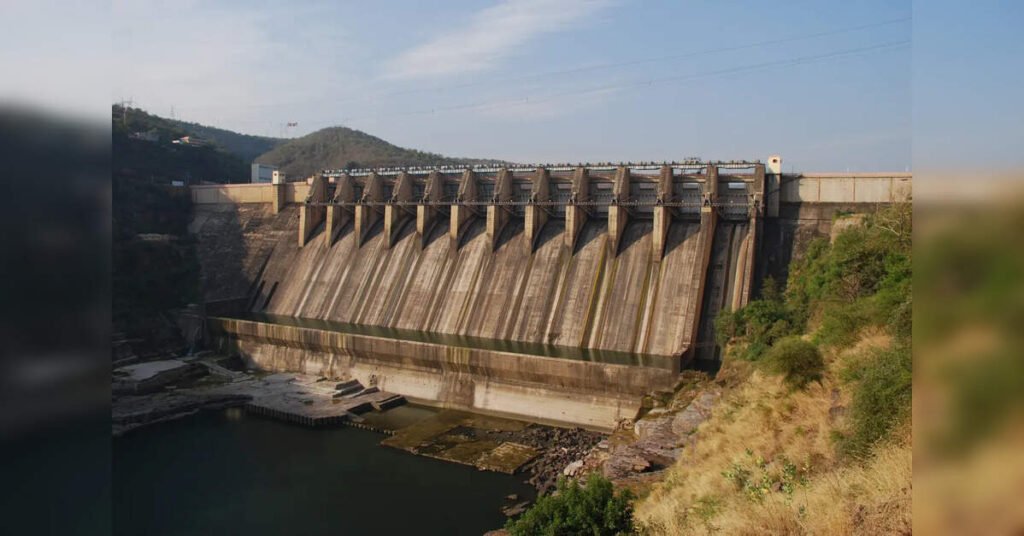
A group of 69 former civil servants has urged the Union Environment Ministry to scrap the proposed 1,750-megawatt Demwe Lower Hydroelectric Project on the Lohit river in Arunachal Pradesh, citing serious concerns over its ecological impact, geographical sensitivity and consequences for local communities.
In a letter addressed to the Environment Ministry, the Arunachal Pradesh Chief Minister and the Standing Committee of the National Board for Wildlife, the signatories said the project would require the diversion of 1,416 hectares of forest land, the submergence of around 1,590 hectares and the felling of approximately 43,000 trees in a sensitive evergreen rainforest.
The letter has been signed by former Delhi lieutenant governor Najeeb Jung, former Principal Chief Conservator of Forests of Kerala Prakriti Srivastava and 67 others.
A project opposed for over a decade
The signatories alleged that the project has been pursued by successive governments since 2011 despite concerns over its impact on endemic wildlife, tropical rainforests and indigenous communities. The project received initial environmental clearance in 2010, after which local opposition began to build. Mishmi and other tribal communities, indigenous organisations and environmentalists mobilised to protect the sacred Parashuram Kund and downstream ecosystems, the letter said.
It recalled that in October 2011, all non-official expert members of the wildlife board’s standing committee rejected the project, citing risks to endangered wildlife downstream. However, the project received wildlife clearance in 2012 under the then environment minister, despite the objections, it alleged.
The decision was subsequently challenged before the National Green Tribunal. In 2017, the tribunal suspended the project’s approvals, holding that the former environment minister had unlawfully overridden the unanimous objections of independent expert members, according to the letter. The tribunal also directed the wildlife panel to reconsider the proposal afresh and suspended the Stage-I and Stage-II forest clearances, asking that ecological concerns, particularly cumulative downstream impacts, be addressed.
Fresh clearance questioned
The former bureaucrats alleged that the reconstituted wildlife panel cleared the project again in 2018 without carrying out the multi-seasonal assessment directed by the tribunal. They also questioned the reliance on a Wildlife Institute of India report, describing the assessment as inadequate.
The project could threaten the critically endangered white-bellied heron and affect the wider landscape connecting Kamlang and Namdapha, as well as the proposed Dibang Tiger Reserve, the letter said. It warned of habitat fragmentation and disruption of tiger movement corridors.
The project did not take off in 2018 amid financial difficulties faced by the project proponent and other factors. In 2026, the Greenko Group acquired the project. The letter also questioned the wildlife panel’s consideration of the change in project ownership in July 2026, alleging that the panel did not undertake a comprehensive fresh wildlife assessment or use updated scientific data, instead relying on an outdated 2018 rapid study.
The China argument challenged
The signatories further challenged the argument that the dam would help India establish prior appropriation rights over Brahmaputra waters and counter upstream dam-building by China. They cited concerns that, in the absence of a bilateral treaty, downstream infrastructure cannot prevent upstream diversion. The letter also argued that an estimated 70 to 80 per cent of the Brahmaputra system’s total water volume in India originates within Arunachal Pradesh and Assam, largely from monsoon rainfall and snowmelt, rather than in China.
The former bureaucrats called for the project to be scrapped, citing the potential long-term consequences for the river system, biodiversity and communities in the region. The debate places the Demwe project alongside the larger Siang dam controversy: Chief Minister Pema Khandu has offered dialogue as protests over the proposed Siang dam grow, while satellite imagery has pointed to river diversion works at China’s Medog dam site upstream. The Deputy Chief Minister has defended the Siang project on water-security grounds, arguing that power generation is secondary to protecting the river system.
#DemweDam #LohitRiver #ArunachalPradesh #HydroelectricProject #Environment #Wildlife #NajeebJung #Greenko