Learning how to get rid of cooking smells in the house without air freshener starts with a simple truth: sprays only mask odors, while ventilation and cleaning actually remove them. A fried fish dinner, a pot of curry, or a pan of garlic can leave a smell that lingers for hours — not because the food was bad, but because cooking releases tiny oil droplets and odor molecules that settle on every surface in the room. The good news is that you can clear the air with tools you already own: a range hood, open windows, a simmering pot of citrus and spices, vinegar, and baking soda. This guide explains why cooking smells linger, walks through the fastest ways to remove them, and shows you the habits that keep them from building up.
Why Cooking Smells Linger
Cooking smells linger for three reasons, and understanding them helps you fight each one. First, cooking releases volatile organic compounds — tiny odor molecules that float through the air and drift into other rooms, hallways, and even bedrooms. Second, frying and roasting send microscopic grease droplets into the air, and those droplets land on cabinets, walls, ceilings, and the range hood filter, where they hold the smell for hours. Third, soft materials absorb odors: curtains, upholstered chairs, rugs, dish towels, and even painted walls soak up cooking smells and release them slowly over time.
That is why opening a window for five minutes rarely solves the problem on its own. The air may clear, but the grease film on the stove and the odor trapped in the curtains keep releasing the smell. A real fix works on all three causes at once: move the smelly air out, neutralize the odor molecules, and clean the surfaces and fabrics that hold them.
Ventilate First: Range Hood, Cross-Breeze, and Window Fan
Ventilation is always the first step, because no deodorizer can compete with fresh air. Turn on the range hood before you start cooking, not after the smell has already spread, and leave it running for 15 to 20 minutes after you finish. A range hood that vents outside is far more effective than a recirculating hood with a charcoal filter, but even a recirculating hood helps if its filter is clean. Use the highest setting while frying or searing, and a lower setting for simmering.
Next, create a cross-breeze. Open a window on one side of the kitchen and another window or door on the opposite side of the house so air flows straight through. If you have a window fan, place it in a kitchen window facing outward so it pulls the smelly air out of the room. A box fan in a doorway can do the same job. Even on a cold day, a 10-minute blast of fresh air with the fan running makes a big difference. The key is to ventilate while you cook, not only afterward, because it is far easier to keep odors from spreading than to remove them once they have settled into fabrics and walls.
Simmer Pot: Citrus, Cinnamon, and Cloves
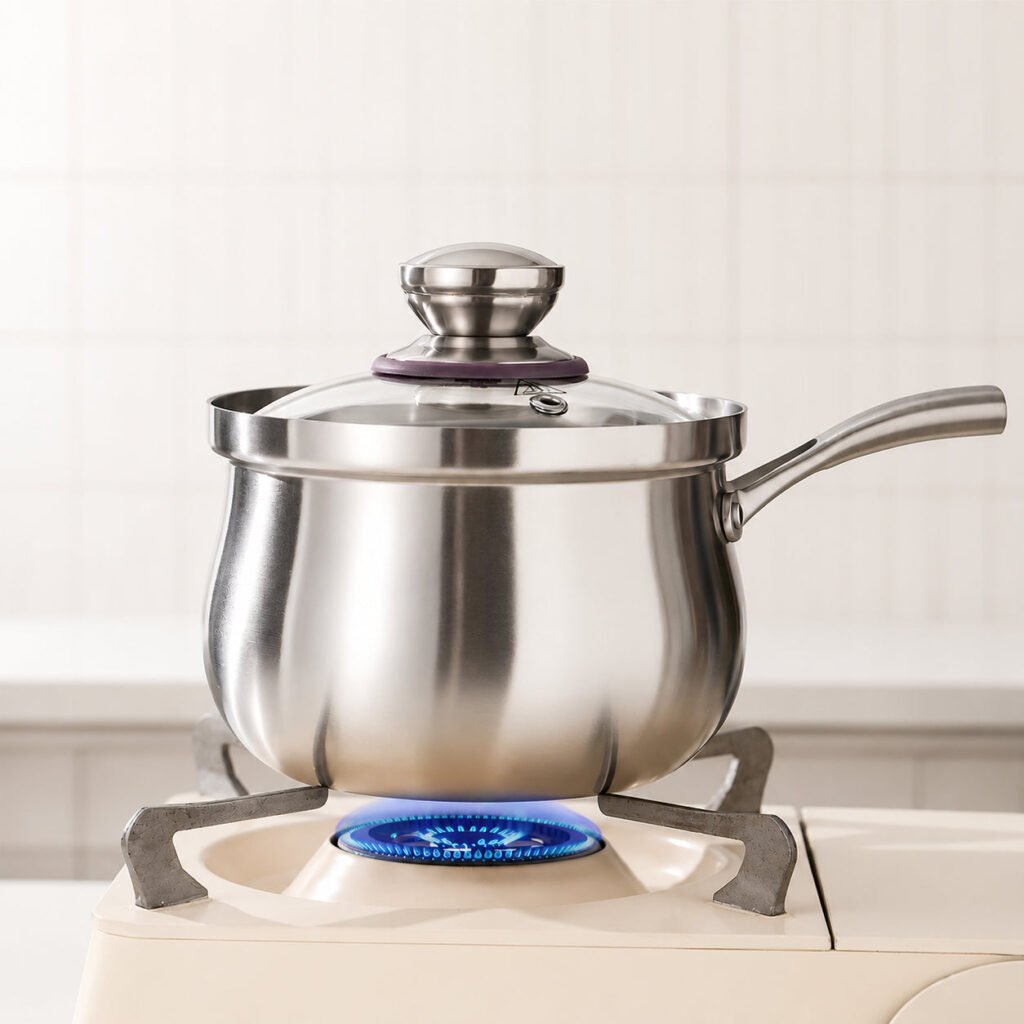
A simmer pot is one of the most pleasant ways to freshen a home after cooking. Fill a small saucepan with water, add slices of lemon or orange, a few cinnamon sticks, and a handful of whole cloves, then bring it to a gentle simmer on the stove. As the water steams, it carries the fresh scent of citrus and spice through the room, replacing the cooking smell with something clean and warm. Let it simmer for 20 to 30 minutes, adding water as needed so the pot never boils dry.
You can change the recipe to suit your taste: apple slices and star anise give a sweet, autumn feel, while fresh rosemary and lemon make a bright, herbal scent. A simmer pot works best after you have ventilated, because it adds a pleasant scent to clean air rather than fighting stale air. Keep an eye on the water level, and never leave a simmer pot unattended on a hot burner.
Vinegar Simmer and Vinegar Bowls
White vinegar is a powerful odor neutralizer, and a vinegar simmer is the fastest way to cut a strong cooking smell. Mix one cup of white vinegar with one cup of water in a saucepan and bring it to a gentle simmer for 10 to 15 minutes. The steam carries vinegar vapor through the room, and the acid neutralizes the odor molecules that cause the smell. The vinegar scent itself is strong at first, but it fades quickly once you turn off the heat and open a window — and it takes the cooking smell with it.
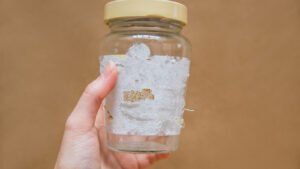
For a gentler approach, set out small bowls of undiluted white vinegar around the kitchen and in nearby rooms. Leave them overnight, and the vinegar will absorb odors from the air while you sleep. This works well after frying fish or cooking a strong curry, when the smell has spread beyond the kitchen. In the morning, pour the vinegar down the drain and wipe the bowls clean.
Baking Soda Absorbers
Baking soda absorbs odors from the air and from surfaces, and it is one of the cheapest deodorizers you can buy. Set out a few small open bowls of baking soda around the kitchen after cooking, and leave them for several hours or overnight. The powder traps odor molecules instead of covering them up, so the air genuinely smells cleaner afterward. Replace the baking soda every few days if the smell persists, since a saturated bowl stops absorbing.
Baking soda also works directly on fabrics and surfaces that hold cooking smells. Sprinkle it generously over a rug, an upholstered chair, or a cloth sofa that smells of cooking, let it sit for 30 minutes, then vacuum it up thoroughly. For hard surfaces, make a paste of baking soda and water and wipe down the stovetop, the counters, and the inside of the microwave — the paste lifts grease and odor in one step.
Activated Charcoal
Activated charcoal is a stronger odor absorber than baking soda, and it works well for stubborn smells that survive ventilation and vinegar. You can buy small bags of activated charcoal at home goods stores or online, and they are reusable — most can be refreshed by leaving them in direct sunlight for a few hours. Place one or two bags near the stove, in the pantry, or in any room where cooking smells settle. The charcoal’s porous surface traps odor molecules and moisture, and it keeps working for weeks without any scent of its own.
Charcoal is especially useful in kitchens without a venting range hood, where odors have nowhere to go. It will not clear the air as fast as a window fan, so use it as a background absorber rather than a quick fix. Keep the bags away from water, since wet charcoal stops absorbing and can stain surfaces.
Wipe Greasy Surfaces and the Range Hood Filter
If the smell lingers after the air has cleared, the cause is usually a grease film on the surfaces around the stove. Wipe down the stovetop, the counters, the backsplash, and the fronts of nearby cabinets with hot soapy water, then follow with a cloth dampened with vinegar and water to cut the remaining grease. Pay attention to the wall behind the stove and the underside of the cabinets above it, where grease collects unnoticed. A clean surface stops releasing odor, while a greasy one keeps smelling for hours.
Do not forget the range hood filter. A greasy filter blocks airflow and holds a strong cooking smell that gets released every time the fan runs. Most metal mesh filters can be removed and soaked in a sink full of hot water and dish soap for 15 to 20 minutes, then scrubbed with a soft brush and rinsed. Let the filter dry completely before putting it back. If your hood uses a charcoal filter, replace it on the schedule the manufacturer recommends — a saturated charcoal filter cannot absorb anything and may add a stale smell of its own. The same attention to a dirty appliance pays off elsewhere in the kitchen, such as cleaning a microwave without vinegar, where a quick wipe after each use prevents the build-up that causes the worst smells.
Fabrics and Curtains
Soft materials are the biggest hidden cause of lingering cooking smells. Curtains hang near the stove and absorb odor with every meal, and upholstered chairs, rugs, and dish towels do the same. If the kitchen still smells after you have ventilated and cleaned the hard surfaces, the fabrics are the likely culprit. Take down the kitchen curtains and wash them, or hang them outside in fresh air and sunlight for a few hours — sunlight and moving air do a remarkable job of clearing trapped odors from fabric.
For rugs and upholstered furniture, sprinkle baking soda generously, let it sit for at least 30 minutes, then vacuum slowly and thoroughly. For dish towels and cloths, wash them in hot water with your regular detergent and a half cup of vinegar in the rinse cycle. If a fabric still smells after washing, soak it in a basin of warm water and vinegar for 30 minutes before washing again.
Smell-by-Food Fixes
Different foods leave different smells, and each one has a best fix. Fish is the most notorious: the smell comes from compounds that vinegar neutralizes well, so simmer a pot of vinegar and water while the fish cooks, and wipe the stove with vinegar afterward. Garlic leaves a sharp smell on hands and in the air — a simmer pot with lemon and cloves covers it, and rubbing your hands with a stainless steel spoon under running water removes the smell from your skin. Curry and strong spices settle into fabrics, so ventilate well during cooking and wash the curtains and towels afterward.
Burnt food is a different problem: the smell is smoke, not spice. Open every window, run the range hood and a window fan on high, and wipe the oven or pan that burned — the charred residue keeps releasing smoke smell until it is cleaned. For onion smells, a bowl of vinegar on the counter and a good cross-breeze usually clear the air within an hour. The pattern is always the same: remove the source, ventilate, then neutralize what is left.
Prevention Habits
The easiest way to get rid of cooking smells is to stop them from spreading in the first place. Always turn on the range hood before you start cooking, and keep it running for 15 to 20 minutes after you finish. Cook with lids on pots when you can — a lid traps steam and odor at the source. Fry with the kitchen window open a crack, even in cold weather, so the smell has somewhere to go. Wipe the stovetop and counters as soon as you finish cooking, while grease is still soft and easy to remove, rather than leaving it to harden overnight.
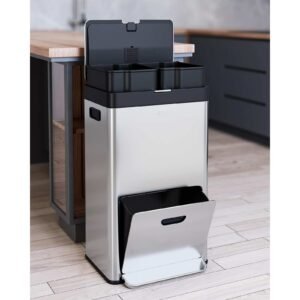
Take out the kitchen trash promptly after cooking strong-smelling food, and rinse the bin if anything leaked — a garbage disposal that smells will send odor back up into the kitchen, so keep that clean too, for example by cleaning a garbage disposal without ice on a regular schedule. Keep a small bowl of baking soda in the kitchen as a standing absorber, and wash dish towels often.
Mistakes to Avoid
The most common mistake is masking the smell with air freshener spray instead of removing it. Sprays add a layer of fragrance over the odor, and once the fragrance fades the cooking smell is still there — often stronger, because nothing was cleaned. Do not close the windows too soon: if you shut the kitchen up while the air is still full of odor, the smell settles into fabrics and walls instead of leaving the house. Never ignore a greasy range hood filter — a clogged filter makes the fan useless and holds a smell that returns every time the fan runs.
Do not simmer a pot dry, and never leave a vinegar simmer unattended on high heat. Avoid spraying vinegar or cleaner directly onto a hot burner or into the oven, which can create fumes and damage the finish. Do not forget the trash and the disposal, which are common hidden sources of kitchen odor.
FAQ
How do I get rid of cooking smells fast?
Turn on the range hood, open windows on opposite sides of the house for a cross-breeze, and set a window fan to pull air out. Then simmer a pot of vinegar and water for 10 to 15 minutes.
Does vinegar really remove cooking smells?
Yes. White vinegar neutralizes odor molecules instead of covering them up. Simmer a cup of vinegar with a cup of water, or leave small bowls of vinegar around the kitchen overnight.
How do I get fish smell out of the house?
Ventilate while the fish cooks, simmer vinegar and water on the stove, and wipe the stovetop and counters with vinegar afterward. Wash any towels and curtains that absorbed the smell.
Why does my kitchen still smell after I clean it?
The smell is usually trapped in fabrics or in a grease film on surfaces. Wash the curtains and dish towels, sprinkle baking soda on rugs and upholstery and vacuum it up, and clean the range hood filter.
Can baking soda absorb cooking odors?
Yes. Set out open bowls of baking soda around the kitchen, or sprinkle it on rugs and upholstered furniture, let it sit for 30 minutes, then vacuum it up.
How can I prevent cooking smells from spreading?
Turn on the range hood before you start cooking, cook with lids on pots, open a window a crack while frying, and wipe the stovetop as soon as you finish. Take out the trash promptly after cooking strong-smelling food.