
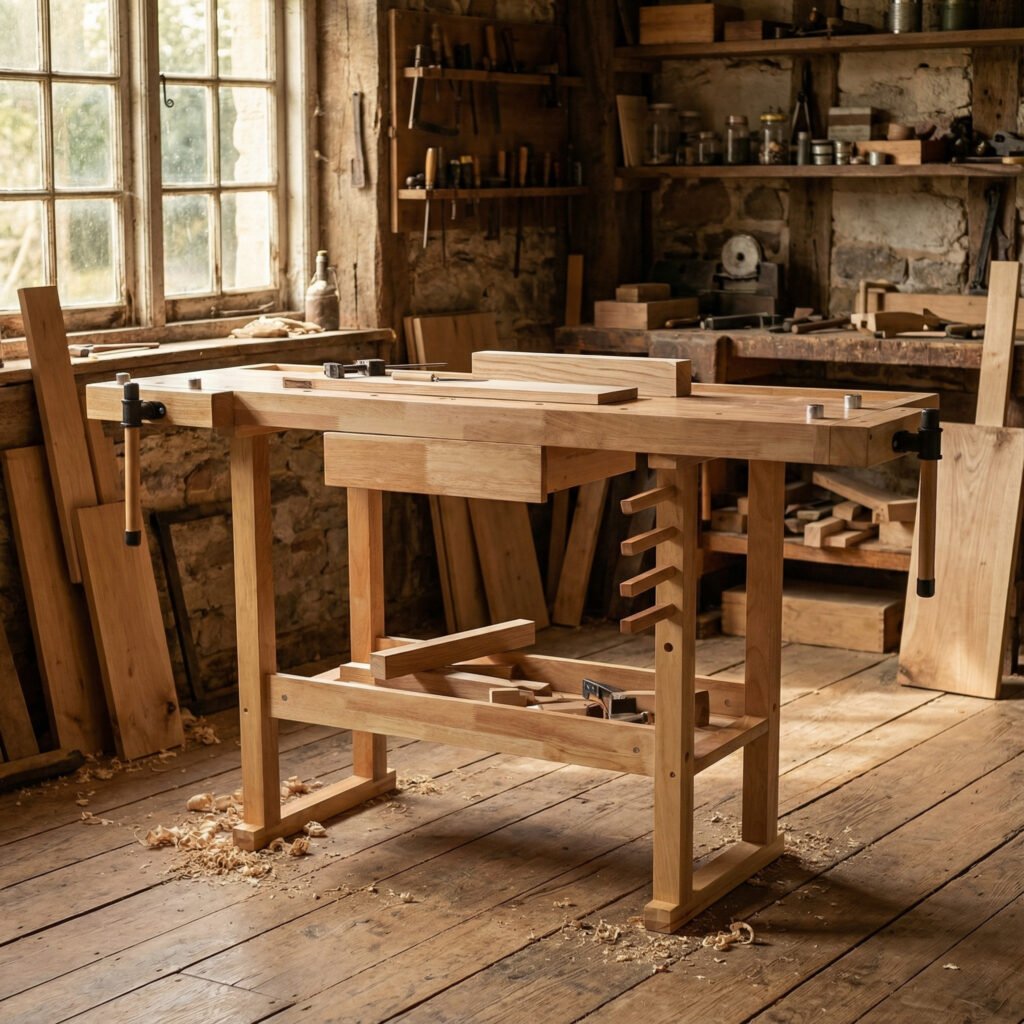
A single drop of super glue can turn into a hard, crusty patch on a wooden table, floor, or chair, and the usual advice is to reach for acetone. That advice is dangerous for most wood. Learning how to remove super glue from wood without acetone is the safer path, because acetone strips most wood finishes, including varnish, lacquer, polyurethane, and paint, and it can leave a pale, cloudy patch that is harder to fix than the glue itself. Acetone is only safe on raw, unfinished wood. For finished wood, gentler methods work just as well if you are patient. This guide explains how to tell what kind of surface you are dealing with, then walks through the gentlest methods first, from warm soapy water to oil, vinegar, and heat.
Why Acetone Is Risky on Finished Wood
Acetone is a powerful solvent, and that is exactly the problem. Super glue dissolves in acetone, but so do the finishes that protect wood. A few drops of acetone or nail polish remover on a varnished tabletop can soften the varnish within seconds, leaving a dull, whitish mark that no amount of polishing will hide. On painted wood, acetone can lift the paint right off, and on stained wood it can pull the color out in a blotchy pattern. The damage often appears instantly and costs far more to repair than the glue stain, because fixing a stripped finish usually means sanding and refinishing the whole surface. That is why every method in this guide avoids acetone entirely. Acetone is an option on raw, unfinished wood, but even then the gentle methods below are worth trying first, because they carry no risk at all.
First Step: Identify the Finish
Before you touch the glue, figure out whether the wood is finished or raw. Finished wood feels smooth, slightly slick, and sealed, and water beads up on it. Raw wood feels rougher and more porous, and a drop of water soaks in and darkens it. A glossy or satin shine almost always means a clear coat of varnish or polyurethane is present. If the piece is an antique, a painted item, or a tabletop with a visible clear coat, assume it is finished and treat it gently. If you are still unsure, test your chosen method on a hidden spot, such as the underside of the table, and wait a few minutes to check for any change before working on the visible glue.
What You Will Need
Gather the following before you start:
- Warm water and mild dish soap
- Clean, soft cloths and paper towels
- A plastic scraper, an old credit card, or a plastic putty knife
- Cooking oil, such as olive oil, vegetable oil, or coconut oil
- Distilled white vinegar
- A hair dryer
- Ice cubes in a plastic bag
- Fine-grit sandpaper, 220 grit or higher, for raw wood only
- Optional: a small amount of furniture oil or wax to restore the finish afterward
Do not use a metal scraper, a razor blade, or a kitchen knife on finished wood, because metal edges gouge the finish and leave scratches that are harder to repair than the glue. A plastic edge is firm enough to lift softened glue and soft enough to protect the surface.
Method 1: Warm Soapy Water and Gentle Scraping
This is the best first method for almost any glue spill, because it is completely safe for every type of finish. It works best on fresh glue, but it can also soften older glue if you give it time.
- Soak a cloth. Dip a clean cloth in warm water with a few drops of mild dish soap, then wring it out so it is damp but not dripping.
- Lay the cloth on the glue. Place the damp cloth directly over the glue and leave it there for ten to fifteen minutes. The warmth and moisture slowly soften the glue from the edges inward. Re-wet the cloth if it cools down.
- Scrape gently. Hold a plastic scraper or an old credit card at a low angle, almost flat against the wood, and push gently against the edge of the glue in short strokes. The glue should start to flake or peel away in thin pieces.
- Repeat as needed. If some glue remains, lay the warm cloth over it again for another ten minutes and scrape once more. Two or three rounds are usually enough for a small spill.
- Wipe clean. When the glue is gone, wipe the area with a clean damp cloth, then dry it thoroughly.
This method takes patience, but it is the safest way to start, and it often removes the entire spill on its own. If the glue is thick or old, move on to one of the methods below.
Method 2: Cooking Oil
Cooking oil is one of the most effective gentle solvents for super glue, and it is safe on most finished wood. Oil works its way under the edges of the glue and weakens the bond without harming varnish or lacquer. Olive oil, vegetable oil, and coconut oil all work well, and a small amount of petroleum jelly or mayonnaise works the same way.
- Apply the oil. Put a few drops of oil directly on the glue and spread it over the whole patch with your finger or a cotton swab. Let it seep around the edges.
- Wait. Leave the oil in place for at least fifteen minutes, or an hour for thick or old glue. Cover the spot with plastic wrap to keep the oil from spreading.
- Scrape and wipe. Lift the softened glue with your plastic scraper, working from the edges inward, then wipe away the loosened glue and oil with a clean cloth.
- Clean the residue. Wash the area with warm soapy water to remove the oily film, then dry it with a soft towel. If the wood looks slightly darker where the oil sat, do not worry. It usually evens out within a day, and a light coat of furniture oil over the whole surface blends it in.
Test oil on a hidden spot first if the wood is very light in color or the finish is old and worn, because oil can darken raw wood slightly. On sealed, finished wood this is rarely a problem.
Method 3: Warm White Vinegar
Warm white vinegar is another gentle option that softens super glue without attacking most finishes. It works well on thin glue films and small drips.
- Warm the vinegar. Heat a small amount of white vinegar until it is warm to the touch, not boiling. You can warm it in the microwave for about twenty seconds.
- Apply it to the glue. Soak a cloth or a cotton ball in the warm vinegar and press it against the glue for ten to fifteen minutes, adding more vinegar as needed to keep it damp.
- Scrape gently. Once the glue feels soft, lift it with your plastic scraper, working from the edges inward.
- Wipe clean. Wipe the area with a clean damp cloth to remove the vinegar smell, then dry it thoroughly.
Vinegar has a strong smell, so open a window while you work. The smell fades once the wood dries. Do not use vinegar on unfinished or very old wood without testing first, because it can lighten some stains and dyes.
Method 4: Heat From a Hair Dryer
Heat softens super glue, and a hair dryer gives you gentle, controlled warmth that is safe for finished wood when used carefully. This method works well on thick blobs of glue that resist water and oil.
- Set the dryer to low or medium heat. Never use the highest setting, and never hold the dryer in one spot.
- Warm the glue. Hold the dryer about six inches from the glue and move it slowly back and forth for thirty to sixty seconds, until the glue feels slightly soft and rubbery.
- Scrape while warm. Immediately use your plastic scraper to lift the softened glue. Work quickly, because the glue hardens again as it cools.
- Repeat. Warm and scrape in short rounds until the glue is gone, then wipe the area with a damp cloth and dry it.
Keep the dryer moving at all times, because holding hot air in one place can blister varnish or scorch the wood. This approach pairs well with other household repair jobs. Our guide on how to remove wax from a candle jar without boiling water uses the same idea of gentle heat to soften a stubborn substance without damaging the surface beneath it.
Method 5: Ice to Freeze and Chip the Glue
Cold has the opposite effect of heat: freezing makes super glue brittle, so it chips away cleanly instead of smearing. This method is especially useful for glue on small wooden items that you can move, such as a cutting board, a picture frame, or a wooden toy.
- Apply ice. Place a few ice cubes in a plastic bag and hold it directly against the glue for ten to fifteen minutes.
- Chip the glue. Once the glue feels hard and brittle, chip it away in flakes with your plastic scraper or a fingernail. It should pop off in pieces rather than peeling in strips.
- Clean up. Wipe the area with a damp cloth to remove any small flakes, then dry it with a soft towel.
For a small item, you can also put the whole piece in the freezer for an hour. This is not practical for furniture, but it works well for anything that fits. Avoid prying with a metal tool, because frozen glue can take a chip of finish with it.
Method 6: Fine Sanding, for Raw Wood Only
If the glue is on raw, unfinished wood and the gentle methods have not worked, sanding is the last resort. Never sand finished wood to remove glue, because you will sand through the finish and create a bare patch that stands out.
- Choose fine sandpaper. Use 220-grit sandpaper or finer. Coarse sandpaper leaves scratches that are hard to smooth out.
- Sand lightly. Sand the glue patch with light, even strokes, always moving with the grain of the wood. Check your progress often and stop as soon as the glue is gone.
- Blend the area. Sand a slightly wider area very lightly to blend the sanded spot into the surrounding wood, then wipe away the dust with a damp cloth.
- Refinish if needed. If the wood is meant to stay raw, you are done. If it needs protection, apply the same oil or finish used on the rest of the piece.
Sanding is a repair, not a cleaning method, so reserve it for stubborn glue on raw wood. For other wood repair challenges, our guide on how to remove a stripped screw without a drill covers gentle techniques for fixing common wood and furniture problems without power tools.
What to Do After the Glue Is Gone
The wood underneath may look slightly dull or feel a little rough where the glue sat. Wipe the area with a damp cloth and let it dry fully. If the finish looks cloudy, rub a small amount of furniture oil or paste wax into the spot with a soft cloth, then buff it gently. A thin coat of oil or wax over the whole surface blends the repaired spot into the rest of the piece. A faint outline usually fades over a few days. Check the area in natural daylight before deciding whether more work is needed, because artificial light can exaggerate small marks.
Mistakes to Avoid
- Reaching for acetone first. Acetone strips most wood finishes, and it is only safe on raw, unfinished wood. Try the gentle methods above before considering any solvent.
- Using a metal scraper or razor blade. Metal edges scratch and gouge wood. Plastic scrapers and old credit cards are safer and just as effective.
- Scrubbing with steel wool or abrasive pads. Abrasives remove the finish along with the glue and leave scratches that are difficult to repair.
- Pouring boiling water on the glue. Boiling water can raise the grain of the wood and damage the finish, so stick to warm water.
- Pulling or peeling dried glue by force. Yanking a chunk of glue off the surface can lift the finish or a splinter of wood with it. Soften the glue first, then lift it gently.
- Ignoring the finish test. A quick test on a hidden spot takes a minute and can save hours of repair work.
- Using nail polish remover as a shortcut. Most nail polish removers contain acetone, and even acetone-free versions can contain solvents that cloud or soften wood finishes. Treat them the same as acetone and keep them away from finished wood.
For other gentle removal jobs around the house, the same patience-first approach works well. Our guide on how to remove crayon from a wall without a magic eraser shows how a soft touch and the right household supplies can lift a stubborn mark without damaging the surface underneath.
Frequently Asked Questions
Can I use acetone on raw, unfinished wood?
Yes, acetone is generally safe on raw, unfinished wood, because there is no finish to strip. Dab a small amount on a cloth, press it against the glue for a few minutes, and wipe the softened glue away. Even so, try warm soapy water or oil first.
Will olive oil damage my wooden table?
No, a small amount of olive oil is safe on most finished wood and is widely used to soften super glue. It can darken raw wood slightly, so test it on a hidden spot first if your piece is unfinished or very light in color. Wash the area with warm soapy water afterward to remove the oily film.
How do I remove super glue from a wood floor?
Use the same gentle methods: start with warm soapy water and a plastic scraper, then try cooking oil if the glue persists. Avoid acetone and abrasive pads on a finished floor, because the finish protects the wood from moisture and wear.
Can a hair dryer damage wood furniture?
It can if you hold it too close or in one spot for too long, because concentrated heat can blister varnish. Keep the dryer on low or medium heat, about six inches away, and keep it moving. Short warming rounds are safe and effective.
What if the glue has been there for a long time?
Old glue is harder but not impossible to remove. Soak it for thirty minutes or more with warm soapy water or oil, and repeat the scraping in several rounds. Heat from a hair dryer also helps. Patience matters more than force.
Should I sand the glue off my finished table?
No. Sanding a finished surface removes the finish along with the glue and leaves a bare patch that will not match the rest of the table. Reserve sanding for raw, unfinished wood only.












2 thoughts on “How to Remove Super Glue From Wood Without Acetone Safely”
Comments are closed.