
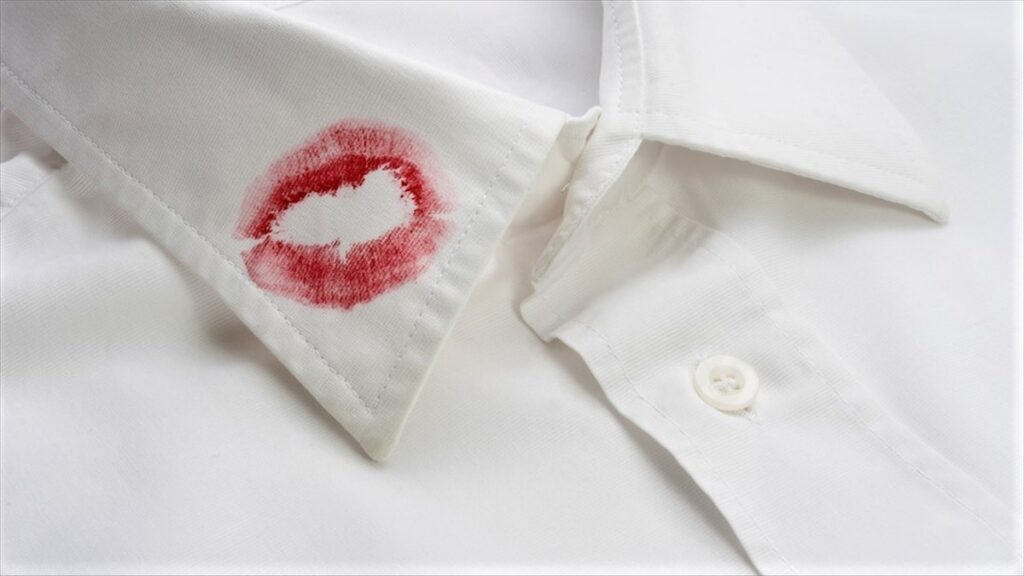
Learning how to remove lipstick stains from clothes without oxygen bleach is a useful skill for anyone who has ever hugged someone wearing lipstick, brushed a sleeve against a collar, or tossed a lipstick tube into a pocket by mistake. Lipstick stains look alarming because they are bright, waxy, and oily all at once. You do not need oxygen bleach to get them out: ordinary dish soap, rubbing alcohol, and a little patience can lift the color completely from most fabrics. This guide walks through the methods in order from gentlest first, so you can save the garment without damaging the fabric or fading the color around the stain.
Why Lipstick Stains Are So Stubborn
Lipstick is not like a water-based stain from coffee or juice. It is built from three ingredients that each resist a different kind of cleaning. The waxes, usually beeswax or carnauba wax, give lipstick its solid shape and help it cling to lips. The oils, such as castor oil or mineral oil, keep it smooth and creamy. The pigments are strong, concentrated colorants designed to stay put for hours.
That combination is why a quick rinse in plain water does almost nothing. Water cannot dissolve wax or oil, so the stain just sits there. Heat makes it worse, because warm water melts the wax and lets it spread deeper into the weave. The color itself is also stubborn. Red and berry shades use pigments that bond tightly to fibers, and dark lipstick on light fabric can look permanent even when it is not. Understanding this mix is the key to removing the stain: you need something that breaks down oil and wax first, and then something that lifts the pigment out.
What Not to Do First
The first few minutes matter more than the cleaning product you choose. The most common mistake is rubbing the stain with a dry cloth or paper towel. Rubbing pushes the wax and pigment deeper into the fibers and spreads the color over a larger area. Always blot instead, pressing a clean white cloth or paper towel against the stain to lift what you can without spreading it.
Do not rinse the stain under hot water. Hot water melts the wax in the lipstick, which drives it further into the fabric and can set the pigment. Use cool or lukewarm water only until the stain is gone. Do not put the garment in the dryer before the stain is fully removed. Dryer heat sets a lipstick stain almost permanently, and once it has been through a hot dryer cycle, removal becomes much harder and sometimes impossible.
Do not reach for chlorine bleach either. Chlorine bleach can damage many fabrics, weaken fibers, and cause yellowing or color loss on anything that is not pure white cotton.
Before You Start: Check the Care Label
Before you try any stain method, read the care label on the garment. Fabrics labeled dry clean only, such as silk, wool, and some lined garments, should not be soaked or treated at home with anything stronger than a gentle blot. For those items, blot away as much lipstick as you can with a clean cloth and take the garment to a dry cleaner, pointing out the stain so it can be treated before cleaning.
For machine-washable fabrics, check the label for any warnings about solvents or alcohol. Most cotton, linen, polyester, and blended fabrics handle the methods below without any trouble. Whatever the fabric, test your chosen cleaning solution on a hidden spot first, such as an inside seam or hem. Wait a few minutes and check that the fabric color has not changed and the fibers have not weakened. If the test spot looks fine, go ahead and treat the stain.
Method 1: Dish Soap and Cold Water
Dish soap is the best first step for most lipstick stains because it is designed to cut through grease and oil, which is exactly what holds a lipstick stain together. It is gentle on fabric, safe for colors, and you almost certainly already have it in the kitchen. Start by blotting the stain with a clean white cloth to remove any loose lipstick sitting on the surface. Scrape off any thick, waxy buildup very gently with the edge of a dull butter knife or a spoon, working from the outside edge of the stain toward the center so you do not spread it.
Place the stained area face down on a clean white towel. Apply a few drops of plain dish soap directly onto the back of the stain and let it sit for ten minutes. The soap needs time to break down the oils and waxes. After ten minutes, use a soft cloth or an old soft-bristled toothbrush to work the soap into the fabric with light, circular motions, still working from the outside inward.
Rinse the area with cool water and check the stain. For a fresh, creamy lipstick mark on cotton or a polyester blend, one round of dish soap is often enough to remove most of the color. If a faint pink or red shadow remains, repeat the treatment once more before moving on to a stronger method. When the stain is gone, wash the garment as usual with your regular laundry detergent and check it before it goes into the dryer.
Method 2: Rubbing Alcohol
Rubbing alcohol, also called isopropyl alcohol, is one of the most effective tools against lipstick because it dissolves both the wax and the pigment. It works especially well on long-wear and matte lipsticks that dish soap alone cannot shift. Use plain rubbing alcohol from the pharmacy, not a colored or scented variety, and work in a well-ventilated area.
Place the stained area face down on a clean white cloth or a stack of paper towels. Dip a clean white cloth or cotton ball in rubbing alcohol and dab it onto the back of the stain. Do not pour alcohol directly onto the fabric, since a flood of liquid can push the pigment outward into a ring. Dab gently and let the alcohol sit for a minute or two. You should see color transferring onto the white cloth underneath as the pigment dissolves.
Keep dabbing with a fresh section of the cloth and move the white towel underneath to a clean spot whenever it picks up color, so you are not pressing dissolved pigment back into the fabric. Repeat until no more color transfers. This may take several rounds for a dark red or berry shade. Once the color is gone, rinse the area with cool water, then apply a drop of dish soap and rinse again to remove any oily residue. Wash the garment as usual and air dry it until you are sure the stain is completely gone.
Rubbing alcohol is safe for most washable fabrics, but it can damage acetate, rayon, and some silk blends, so check the care label first and always test on a hidden spot. Never use rubbing alcohol near an open flame, and keep it away from heat sources while you work.
Method 3: Hairspray With Alcohol
Old-fashioned alcohol-based hairspray works on lipstick for the same reason rubbing alcohol does: the alcohol in the spray dissolves the wax and pigment. This method is handy when you have no rubbing alcohol in the house. Check the ingredient list on the can first. Many modern hairsprays are alcohol-free, and those will not help. You need one that lists alcohol or ethanol among the first few ingredients.
Spray the stain lightly from a few inches away until the area is damp, then let it sit for about ten minutes. The spray should soften the lipstick and loosen its grip on the fibers. Blot the area firmly with a clean white cloth, pressing straight down rather than rubbing, and move to a clean section of the cloth each time. You should see color transferring onto the cloth.
Repeat the spray and blot cycle two or three times if needed, then apply a little dish soap, work it in gently, and rinse with cool water. Wash the garment normally. Because hairspray can leave a sticky residue of its own, do not skip the dish soap step. If your hairspray is alcohol-free, skip this method entirely and use rubbing alcohol or dish soap instead.
Method 4: Glycerin Soak for Delicate Fabrics
Glycerin is a gentle option for delicate or dry-clean-only fabrics that you still want to treat at home, and it is also useful for stains that have been sitting for a while. You can find glycerin at most pharmacies. It works by loosening the bond between the pigment and the fiber without harsh chemicals or solvents.
Apply a small amount of glycerin directly onto the stain and rub it in very gently with your fingertips or a soft cloth. Let it sit for at least thirty minutes, or up to an hour for an older stain. The glycerin will slowly soften the wax and lift the color. After the soak, blot the area with a clean cloth to remove the loosened lipstick, then apply a drop of mild dish soap and rinse with cool water.
For silk or wool, use this method only if the care label allows hand washing, and handle the fabric as gently as possible. Do not wring delicate fabric. Press the water out between two clean towels instead. If the stain remains after one glycerin treatment, repeat the process once more or take the garment to a professional cleaner rather than trying a stronger solvent at home.
Removing Lipstick From Specific Fabrics
Cotton and linen are the most forgiving fabrics for lipstick stains. They can handle dish soap, rubbing alcohol, and a vinegar soak without damage, and they can be washed in warm water once the stain is out. Start with dish soap, move to rubbing alcohol if needed, and finish with a normal wash cycle.
Polyester and other synthetics respond well to dish soap and alcohol too, but they are more sensitive to heat. Never use hot water on a synthetic garment while a lipstick stain is still present, because the heat can bond the pigment to the plastic-based fibers. Keep the water cool and let the garment air dry until the stain is fully gone.
Silk and wool need the gentlest touch. Blot first, then try glycerin or a small amount of dish soap applied with a soft cloth. Avoid rubbing alcohol on silk unless the care label allows it, and never soak wool for a long time because it can felt and shrink. For any valuable or dry-clean-only silk or wool garment, a professional cleaner is the safest choice.
Dried and Set-In Lipstick Stains
A lipstick stain that has dried or been through the wash is harder to remove, but it is not always hopeless. Start by scraping off any waxy residue with a dull knife. Then apply rubbing alcohol to the back of the stain and let it sit for fifteen minutes, reapplying as it evaporates. Follow with dish soap and a cool water rinse, and repeat the alcohol and soap cycle two or three times.
For a stain that has already been through the dryer, the heat has likely bonded the pigment to the fibers, and home methods may only fade it. Try a long glycerin soak of an hour or more, followed by rubbing alcohol and dish soap. If the stain is on a light-colored cotton garment, a long soak in cool water with a scoop of color-safe laundry booster can help. If the fabric starts to look worn, stop and take the garment to a professional cleaner.
Mistakes to Avoid When Removing Lipstick Stains
The biggest mistake is applying heat before the stain is gone. A hot wash, a hot rinse, or a trip through the dryer can set a lipstick stain permanently, so keep everything cool until you are certain the color has lifted. Another common mistake is using a colored cloth or a printed paper towel to blot the stain. Dyes from the cloth can transfer onto the wet fabric and add a second stain on top of the first, so always use plain white cloths and white paper towels.
Using too much product is another error. Flooding the stain with alcohol or vinegar can push the pigment outward into a ring that is wider than the original mark. Small amounts, applied patiently and blotted away often, work better than a large puddle. Skipping the test spot is risky too, especially on bright colors and delicate fabrics, because a solvent that is fine on white cotton may fade a dyed fabric.
Finally, do not give up after one attempt and throw the garment into the wash hoping the laundry cycle will finish the job. A regular wash rarely removes a lipstick stain on its own, and the warm water in the wash can set whatever is left. Treat the stain fully first, check it in good light, and only then wash the garment normally.
Similar patient stain-lifting ideas work for other stubborn marks around the home. Our guide on how to remove ink stains from clothes without rubbing alcohol uses the same blot-and-lift approach for colored stains on fabric, and our article on how to remove grease stains from a shirt without dish soap covers breaking down oily residue before washing. For keeping light clothes bright after stain treatment, see how to keep a white shirt white without bleach.
Frequently Asked Questions
Can you remove lipstick from clothes without oxygen bleach?
Yes. Dish soap breaks down the oils and waxes in lipstick, and rubbing alcohol dissolves the pigment. Used together with cool water and patient blotting, these two products remove most lipstick stains completely without any bleach at all.
Will rubbing alcohol damage colored clothes?
Rubbing alcohol is safe for most washable fabrics, but it can affect some dyes, especially on acetate, rayon, and brightly colored silk. Always test it on a hidden spot such as an inside seam first, and stop if you see any color change.
How do I remove dried lipstick from clothes?
Scrape off the waxy residue first, then apply rubbing alcohol to the back of the stain and let it sit for fifteen minutes. Follow with dish soap and a cool rinse, and repeat the cycle two or three times. A long glycerin soak can help with older stains that have been sitting for days.
Can I put a lipstick-stained garment in the washing machine?
You can wash it only after the stain is fully gone. A regular wash cycle rarely removes lipstick on its own, and the warm water can set whatever pigment is left. Treat the stain first, check it in good light, then wash the garment normally.











1 thought on “How to Remove Lipstick Stains From Clothes Without Oxygen Bleach”
Comments are closed.