
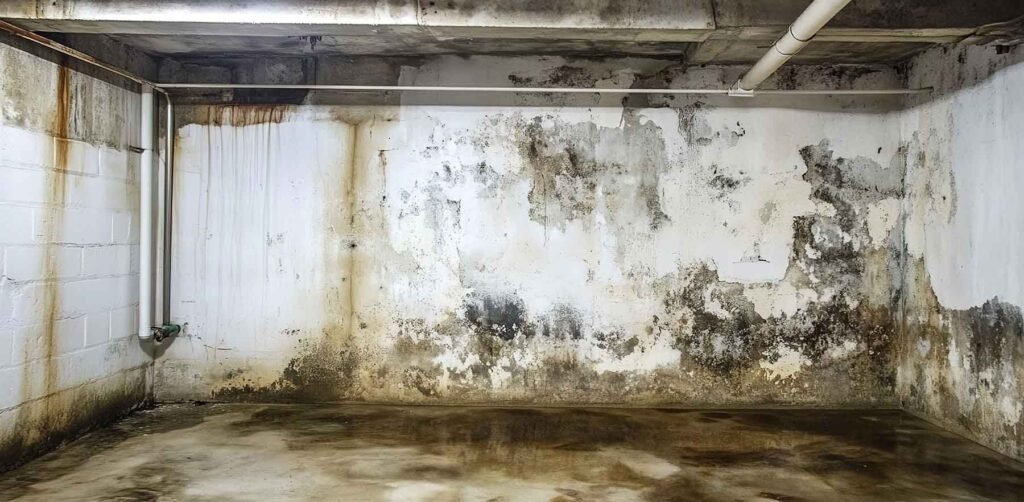
Walk down into the basement and the smell hits you right away: damp, stale, a little like wet cardboard or an old gym bag. A musty basement smell is one of the most stubborn odors in a house, and it usually means moisture is getting in somewhere and feeding mold or mildew. The standard advice is to buy a dehumidifier, but that is not always practical. Dehumidifiers cost money, they use electricity around the clock, and they need an emptying routine. Learning how to get rid of a musty smell in a basement without a dehumidifier is entirely possible, and the methods below tackle both the smell and the moisture that causes it.
The key idea is that a musty smell is a symptom, not the problem itself. The real problem is dampness. Mold and mildew grow wherever moisture lingers, and they release the musty compounds you smell. Air fresheners and scented candles only mask the odor for a few hours. To get rid of it for good, you need to dry the space out, clean the surfaces where mold is growing, and keep air moving so moisture does not build up again.
What Causes a Musty Smell in a Basement
Basements are below ground level, which makes them naturally cooler and damper than the rest of the house. Moisture gets in through several routes. Groundwater can seep through tiny cracks in the foundation walls or floor. Rainwater can pool against the outside of the foundation if the gutters or grading direct it there. Humid summer air flows in through windows and vents and condenses on cool concrete walls. And everyday sources like a leaking pipe, a damp laundry area, or stored cardboard boxes can add moisture too.
Once moisture is present, mold and mildew grow quickly on organic surfaces: wood joists, drywall, fabric, paper, and dust. The musty smell comes from microbial volatile organic compounds, which are gases released as mold grows. You do not need to see a large patch of mold to smell it. A thin, invisible film of mildew on a wall or under a carpet can produce a strong odor.
Poor ventilation makes everything worse. A basement with closed windows and no air circulation traps humid air, and the smell concentrates. That is why the first steps in any fix involve getting air moving and removing the sources of moisture and odor, not just covering the smell up.
Step 1: Find and Fix the Moisture Source
Before you clean anything, look for where the water is coming from. Check the walls and floor for damp patches, water stains, or white crusty deposits called efflorescence, which form when water seeps through concrete and leaves mineral salts behind. Look around pipes, the water heater, and the washing machine for leaks. Check the sump pump if you have one, and make sure it is working.
Outside the house, look at the grading. The ground should slope away from the foundation, not toward it. If water pools against the house after rain, regrade the soil or add a splash block under the downspouts to carry water at least several feet away from the foundation. Clean the gutters, since a clogged gutter can overflow and dump water right against the basement wall.
Small cracks in the foundation can often be sealed with hydraulic cement or a masonry sealant, which you can find at any hardware store. Larger cracks, standing water, or a wall that bows inward are signs of a bigger structural problem, and those need a professional. Fixing the moisture source is the single most important step. Without it, every other fix is temporary.
Step 2: Ventilate the Basement
Fresh air is one of the most effective tools against a musty basement, and it costs nothing. Open the basement windows on dry days, especially in the morning when the air is cooler and less humid. Cross-ventilation works best, so open windows on opposite sides of the basement if you can.
If your basement has no windows, or if the windows are small, use a fan. Place a box fan in a doorway or window blowing outward to push stale, damp air out of the basement. A second fan blowing fresh air in from the top of the stairs can create a steady flow. Run the fans for a few hours a day, particularly after rain or on humid days.
An exhaust fan installed in a basement window or wall is a more permanent solution. It pulls humid air out and keeps the space drier over time. If your home has a central heating and cooling system, make sure the basement vents are open so conditioned air reaches the space. Dry, moving air is the enemy of musty smells.
Step 3: Clean the Surfaces Where Mold Grows
Once the moisture source is handled, clean the surfaces that are feeding the smell. Start by removing everything from the affected area. Take boxes, fabrics, and stored items outside so you can see the walls and floor clearly.
For hard surfaces like concrete, tile, and painted walls, scrub with a solution of one part white vinegar to one part water. Vinegar kills many common types of mold and mildew, and it neutralizes odor at the same time. Spray the solution on the surface, let it sit for ten to fifteen minutes, then scrub with a stiff brush and rinse with clean water. For stubborn spots, use a paste of baking soda and water.
For wood surfaces, use the same vinegar solution and a soft brush, then let the wood dry completely. Do not soak wood, since excess water can cause it to warp. For fabrics, carpets, and upholstery that smell musty, wash what you can in hot water with vinegar added to the rinse cycle. Carpets that are badly affected may need a professional cleaning, or in severe cases, replacement.
Wear gloves and a mask while cleaning, and open the windows or run a fan for ventilation. If you find a large area of mold, more than about ten square feet, or if anyone in the household has breathing problems or a weakened immune system, call a mold remediation professional rather than cleaning it yourself. For related cleaning tips, see our guide on how to get rid of drain smell in the bathroom without chemicals, which uses many of the same vinegar and baking soda techniques.
Step 4: Use Natural Moisture Absorbers
A dehumidifier is not the only way to pull moisture out of the air. Several inexpensive materials absorb humidity and odor, and they work well in a basement that is only moderately damp.
Baking soda is a simple odor absorber. Place open bowls of baking soda around the basement, especially near the dampest spots. It absorbs both moisture and smell. Replace the bowls every few weeks. Activated charcoal, sold in bags or as loose granules, is even more effective. It has a huge surface area that traps odor molecules and moisture. Hang charcoal bags or place bowls of charcoal granules around the basement, and recharge them by leaving them in sunlight for a few hours every month.
Cat litter made from clay or silica gel also absorbs moisture. Fill shallow trays with litter and place them in damp corners. DampRid and similar calcium chloride products are designed for this exact purpose: they pull moisture out of the air and collect it in a container. They are inexpensive, silent, and need no electricity, which makes them a popular dehumidifier alternative. Place one in each corner of a damp basement and check them monthly.
Rock salt is another option. Fill a bucket with rock salt and place it in the basement. The salt draws moisture from the air, and you can dry it out in the sun and reuse it. None of these absorbers will dry out a flooded basement, but for a space that is just damp and smelly, they make a real difference.
Step 5: Dry the Air With Heat and Airflow
Warm air holds more moisture than cold air, which means that heating a basement slightly can actually help dry it out, as long as the warm, moist air has somewhere to go. A small space heater used with a fan and an open window can pull a surprising amount of moisture out of a basement over a few days.
Run the heater on a low setting and place a fan nearby to circulate the warm air. Open a window slightly so the humid air can escape. This is especially effective in spring and fall, when the basement is cool and damp but the outside air is dry. Do not leave a space heater running unattended, and keep it away from anything flammable.
If your basement has a furnace or water heater, the waste heat from those appliances already helps. Make sure the area around them is clear so air can circulate. In summer, running the central air conditioning with the basement vents open also helps, since air conditioning removes humidity from the air as it cools it. Our guide on how to keep a house cool in summer without air conditioning includes airflow tips that work just as well for drying out a basement.
Step 6: Remove Smelly Materials and Storage
Cardboard boxes are one of the biggest contributors to basement smell. Cardboard absorbs moisture, grows mold, and holds odor. If your basement is full of cardboard boxes, replace them with plastic storage bins with tight-fitting lids. The bins keep moisture out and protect what is inside.
Old fabric, newspapers, and paper files also absorb moisture and smell. Move paper items to a drier part of the house, or store them in sealed plastic bins with a packet of silica gel inside. Rugs and carpeting that have been damp for a long time often cannot be saved. If a rug still smells musty after a thorough cleaning and several days of drying, it is time to throw it out.
Go through stored items regularly. A basement that is packed wall to wall with boxes has no airflow, and the items in the middle stay damp and musty. Leaving gaps between stacks and keeping items off the floor on shelves or pallets allows air to circulate and keeps things drier.
Long-Term Fixes to Keep the Smell Away
Once the smell is gone, a few permanent improvements will keep it from coming back. Sealing the concrete floor and walls with a waterproof masonry sealer reduces the moisture that seeps through from the ground. This is a weekend project that involves cleaning the surface, applying the sealer with a roller, and letting it dry. It will not fix a serious leak, but it cuts down on everyday dampness.
Insulating the walls can also help. Bare concrete walls are cold, and warm, humid air condenses on them. Rigid foam insulation boards attached to the walls keep the surface warmer, which reduces condensation. This is a bigger project, but it makes the basement drier and more comfortable.
Keep the gutters clean and the downspouts extended, and regrade the soil around the foundation if needed. These outside fixes are the most important long-term measures, because they stop water from reaching the basement in the first place. Check them once a year, ideally before the rainy season.
Mistakes to Avoid
The biggest mistake is trying to cover the smell with air freshener, scented candles, or plug-in fragrances. These products add chemicals to the air and mask the odor for a few hours, but the mold keeps growing and the smell comes back stronger. Fix the moisture and clean the mold first, and the smell will take care of itself.
Another mistake is painting over moldy walls with regular paint. The paint seals the mold in temporarily, but moisture continues to feed it behind the paint, and the smell returns. If you want to paint a basement wall, clean and dry it thoroughly first, then use a mold-resistant primer and paint designed for masonry.
Do not ignore a musty smell. It is a warning sign that moisture is present and mold is growing. Left alone, mold can damage wood framing, drywall, and stored belongings, and it can affect the air quality in the whole house. A musty basement is a problem worth fixing, not living with.
Frequently Asked Questions
How long does it take to get rid of a musty basement smell?
With good ventilation, cleaning, and moisture absorbers, a mild musty smell often improves within a few days and disappears within one to two weeks. A severe smell caused by a leak or heavy mold growth can take longer, especially if the moisture source is not fixed first.
Can I use vinegar to remove musty smell from concrete?
Yes. Spray a solution of equal parts white vinegar and water onto the concrete, let it sit for ten to fifteen minutes, scrub with a stiff brush, and rinse. Vinegar kills many types of mold and neutralizes odor, and it is safe on concrete.
Why does my basement smell musty even though it looks dry?
Mold can grow in hidden places: behind drywall, under carpet, inside wall cavities, or on the back of stored items. The surface may look dry while moisture is trapped behind it. Check hidden areas and look for water stains, peeling paint, or warped materials.
Does baking soda really absorb basement odor?
Yes, baking soda absorbs odors and a small amount of moisture. Place open bowls of it around the basement and replace them every few weeks. It works best as part of a larger plan that includes ventilation and cleaning, not as a standalone fix.
Is a musty basement smell dangerous?
A mild musty smell from mildew is usually more of a nuisance than a danger, but mold can trigger allergies, asthma, and breathing problems, especially in children, older adults, and people with weakened immune systems. If anyone in the household has symptoms, or if you find a large area of mold, get professional advice.
What is the best dehumidifier alternative for a basement?
Calcium chloride moisture absorbers, often sold as DampRid, are the most effective no-electricity option. Combined with ventilation, fans, and sealed storage bins, they can keep a moderately damp basement dry and odor-free. For a very wet basement, a real dehumidifier or professional waterproofing is still the better choice.














1 thought on “How to Get Rid of a Musty Smell in a Basement”
Comments are closed.