
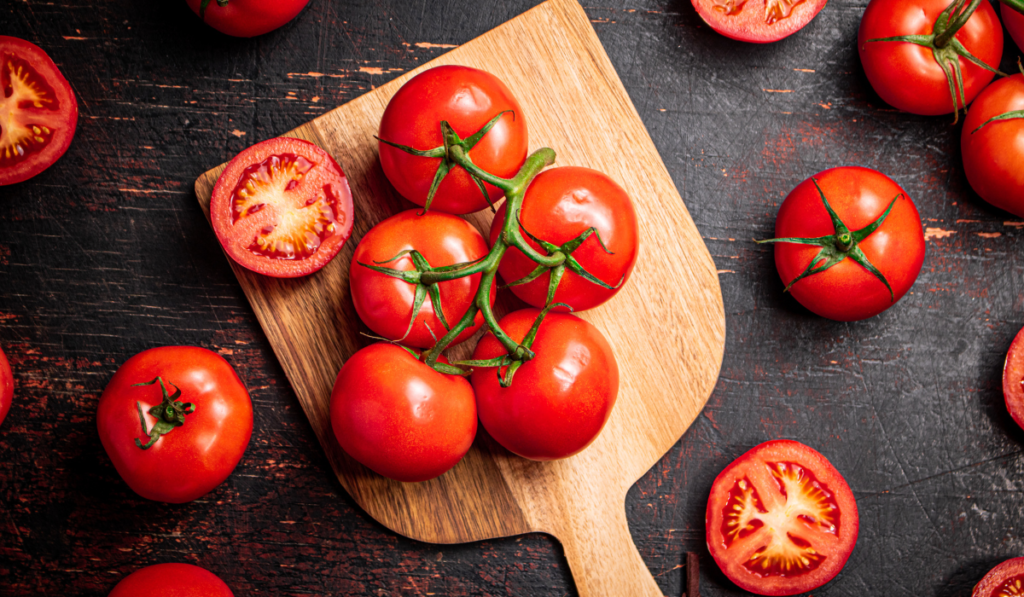
Learning how to keep tomatoes fresh longer without refrigeration is one of the simplest ways to protect the flavor of this summer favorite. A ripe tomato stored on the counter tastes sweet, juicy, and bright, while the same tomato left in the fridge can turn mealy and dull within a day or two. Cold temperatures change the texture of tomatoes and mute the compounds that give them their flavor, which is why most chefs and home cooks keep their tomatoes out of the refrigerator entirely. The good news is that with the right room-temperature methods, a batch of ripe tomatoes can stay delicious for a week or longer, and even unripe tomatoes can be coaxed to perfect ripeness on your kitchen counter. The trick is steady air circulation, a dry surface, protection from direct sunlight, and enough space so tomatoes never press against each other.
Why Tomatoes Hate the Refrigerator
Tomatoes are warm-climate fruit, and their cells are not built for cold. When a tomato sits in the refrigerator, the cold breaks down the cell walls inside the flesh. The result is the grainy, mealy texture that so many people associate with store-bought winter tomatoes. The cold also shuts down the enzymes that produce flavor and aroma compounds, so a refrigerated tomato can taste flat even after it returns to room temperature. The damage is not always reversible. A tomato chilled for a day may recover some flavor after a few hours on the counter, but a tomato kept cold for several days often stays bland and soft no matter what you do.
There is one exception to the no-fridge rule. Once a tomato has been cut, refrigeration becomes the safer choice, because exposed flesh is vulnerable to bacteria. A cut tomato should go into the fridge in a sealed container and be used within a couple of days. For whole, uncut tomatoes, though, the counter is almost always the better home. Knowing this distinction is the foundation of good tomato storage, and it explains why the methods below all work at room temperature.
Store Ripe Tomatoes Stem-Side Down
The single most effective trick for keeping ripe tomatoes fresh is to store them stem-side down. When you place a tomato with its stem scar facing the counter, you block the main entry point for air and moisture loss. The stem scar is the softest, most vulnerable part of the tomato, and leaving it exposed lets moisture escape and bacteria in. Flipping the tomato over seals that opening against a flat surface and slows the ripening process.
To do this properly, set each tomato on a clean, dry surface with the stem end down. A cutting board, a plate, or a shallow tray all work well. Do not stack tomatoes on top of each other. A single layer gives every tomato its own air circulation and prevents the weight of one fruit from bruising the one below it. If you are short on counter space, a rimmed baking sheet lined with a clean kitchen towel makes an excellent tomato station. The towel absorbs any stray moisture and stops the tomatoes from rolling.
This method works best for tomatoes that are already ripe or nearly ripe. At normal room temperature, a ripe tomato stored stem-side down in a single layer will usually stay in good condition for five to seven days. Check them daily and use the softest ones first. A tomato that feels slightly soft all over, rather than in one spot, is ready to eat now.
Keep Them in a Single Layer With Good Airflow
Air circulation matters more than most people realize. Tomatoes give off ethylene gas as they ripen, and when that gas is trapped in a closed bag or a crowded bowl, the tomatoes ripen faster and can turn soft and overripe before you are ready to use them. Storing tomatoes in a single layer in an open container, or spread out on a tray, lets the ethylene disperse and keeps the ripening process slow and even.
A wide, shallow bowl or a basket works well as long as the tomatoes are not piled up. If you have a large harvest, use two trays rather than one crowded pile. The goal is for air to reach every tomato. Avoid sealed plastic bags and airtight containers for whole tomatoes, because trapped moisture encourages mold. A loosely draped clean cloth over the tray is fine if you want to keep dust or fruit flies away, but the cloth should not press down on the fruit or seal the air out completely.
Ventilated containers designed for produce can also work, provided they have real airflow holes and you do not overfill them. The best ventilated container for tomatoes is a shallow one with a slotted or mesh bottom, which lets air move underneath as well as over the top. Whatever container you choose, keep it out of direct sunlight. A shaded spot on the counter or a cool pantry shelf is ideal.
Use a Paper Bag to Ripen Unripe Tomatoes
If your tomatoes are still green or pale, they need a little help to reach full ripeness. A plain brown paper bag is the classic tool for this job. Place the unripe tomatoes inside the bag, fold the top closed loosely, and leave the bag on the counter at room temperature. The paper traps just enough ethylene gas to speed ripening while still letting moisture escape, which is the key difference between a paper bag and a plastic bag. Plastic traps moisture and invites mold, while paper keeps the environment dry.
Check the tomatoes every day. Depending on how green they started, most tomatoes ripen in two to five days in a paper bag. Some people add a ripe banana or apple to the bag, since those fruits release extra ethylene and can speed the process by a day or so. This is optional, and it is worth doing only if you need the tomatoes soon. Once a tomato reaches full color and yields slightly to gentle pressure, take it out of the bag and store it stem-side down in a single layer, as described above.
What to Do With Cut Tomatoes
A cut tomato is a different story from a whole one. Once the skin is broken, the exposed flesh loses moisture quickly and becomes a surface where bacteria can grow. A cut tomato should be stored cut-side down on a small plate, covered tightly with plastic wrap or placed in a sealed container, and kept in the refrigerator. Use it within two days for the best flavor and safety.
If you only used half a tomato, store the remaining half cut-side down. Placing the cut surface against the plate limits air exposure and slows drying. Some cooks spread a thin layer of olive oil over the cut surface before wrapping it, which helps seal in moisture. This small step can keep a cut tomato tasting fresher on the second day.
For recipes where the tomato will be cooked, a cut tomato that has softened a little is still perfectly usable. If the cut tomato smells sour or feels slimy, discard it. Trust your senses here: a fresh cut tomato smells sweet and earthy, while a spoiled one smells sharp or fermented.
Freeze Tomatoes for Cooking
When you have more ripe tomatoes than you can eat before they soften, freezing is the best way to save them. Frozen tomatoes lose their firm texture, so they are not good for salads or sandwiches, but they are excellent for sauces, soups, stews, and curries. Freezing preserves the flavor far better than letting tomatoes rot on the counter.
The simplest method is to wash the tomatoes, remove the stems, and place them whole in a freezer bag. Squeeze out as much air as possible before sealing. When you need them, run a frozen tomato under warm water for a few seconds and the skin will slip right off. You can also chop tomatoes before freezing them, which makes them faster to use in cooking. Spread chopped tomatoes on a baking sheet, freeze until solid, then transfer the pieces to a freezer bag. This keeps the pieces from clumping together.
Frozen tomatoes keep well for about three months in a standard freezer. Label the bag with the contents so you know what you have later. Another option is to cook tomatoes down into a simple sauce before freezing, which saves freezer space and gives you a ready base for weeknight meals. If you want a method that pairs well with other pantry staples, the same planning that helps you keep ginger fresh longer without freezing it applies here too: save the freezer for what truly needs it, and use smart counter storage for everything else.
How Long Each Method Lasts
Different storage methods give you different windows, and knowing them helps you plan meals and avoid waste. A ripe tomato stored stem-side down in a single layer at room temperature usually lasts five to seven days. An unripe tomato ripening in a paper bag takes two to five days to reach full ripeness, and once ripe it follows the same five-to-seven-day window. A cut tomato stored properly in the refrigerator lasts about two days. A whole tomato frozen for cooking keeps for about three months.
If you find yourself with a large batch ripening all at once, prioritize cooking with the softest ones first. Roasting, blending into sauce, or simmering into soup are all excellent uses for tomatoes that are too soft for slicing. This way nothing goes to waste, and you get a meal out of the tomatoes that would otherwise have been lost.
Mistakes to Avoid When Storing Tomatoes
The most common mistake is refrigerating whole tomatoes out of habit. As explained above, cold storage damages texture and flavor, and it is the single biggest reason home-stored tomatoes disappoint. If you have been putting tomatoes in the fridge for years, try keeping the next batch on the counter and taste the difference for yourself.
The second mistake is storing tomatoes in a sealed plastic bag. Plastic traps moisture, encourages mold, and speeds up ripening in an uneven way. If tomatoes arrive from the store in a plastic bag, take them out as soon as you get home. The third mistake is piling tomatoes in a deep bowl. The weight of the top tomatoes bruises the ones underneath, and bruised spots turn soft and moldy fast. A single layer is always better than a tall pile.
Other mistakes are smaller but still worth avoiding. Do not wash tomatoes until you are ready to use them, because surface moisture speeds up spoilage. Do not store tomatoes next to onions or in the same basket as ripening bananas unless you want them to ripen faster, because the ethylene from those neighbors accelerates the process. And do not leave tomatoes in a sunny window. Direct sun heats the fruit, causes uneven ripening, and can split the skin.
Simple Daily Habits That Keep Tomatoes Fresher
The best tomato storage routine takes less than a minute a day. Bring your tomatoes home, take them out of any bag, and set them stem-side down in a single layer in a shaded spot on the counter. Check them each morning, move the ripest ones to the front, and use the softest first. If any tomato is still underripe, pop it in a paper bag for a day or two, then return it to the tray once it colors up.
For households that buy tomatoes weekly, a small rotation system works well. Keep this week’s tomatoes on the counter tray, and plan two or three tomato dishes for the days when the batch reaches peak ripeness. Salads and sandwiches are best when the tomatoes are just ripe, while sauces and soups are perfect for the end of the week when the tomatoes have softened. This kind of planning turns storage from a chore into a cooking advantage, and it pairs naturally with other kitchen routines. The same attention to airflow and dryness that helps you keep mushrooms fresh longer without a paper bag and keep celery fresh longer without foil will serve your tomatoes just as well.
With these habits in place, you will throw away fewer tomatoes, enjoy better flavor in every dish, and spend less money replacing spoiled produce. Room-temperature storage is not a compromise. For tomatoes, it is simply the right way.
Frequently Asked Questions
How long do tomatoes last on the counter without refrigeration?
A ripe tomato stored stem-side down in a single layer at room temperature usually lasts five to seven days. Cherry and grape tomatoes can last up to ten days. The exact time depends on how ripe the tomato was when you bought it and how warm your kitchen is.
Should tomatoes be stored stem-side up or stem-side down?
Stem-side down is best. The stem scar is the softest part of the tomato and the main place where moisture escapes and bacteria enter. Placing it face down against a flat surface seals that opening and slows ripening and spoilage.
Can you store tomatoes in a paper bag?
Yes, a paper bag is ideal for ripening unripe tomatoes. It traps enough ethylene gas to speed ripening while letting moisture escape. Use a plain brown paper bag, fold the top closed loosely, and check the tomatoes daily. Once ripe, move them out of the bag and store them stem-side down on the counter.
What is the best container for storing tomatoes at room temperature?
A wide, shallow tray, plate, or basket that holds the tomatoes in a single layer is best. Good airflow matters more than the container itself. Avoid sealed plastic bags and deep bowls where tomatoes pile up and bruise each other. A ventilated container with airflow holes also works if it is shallow and not overfilled.
Can you freeze tomatoes instead of refrigerating them?
Yes. Freezing is a great option for ripe tomatoes you cannot eat in time. Frozen tomatoes lose their firm texture, so use them for cooking only, in sauces, soups, and stews. They keep well for about three months in the freezer, and the skins slip off easily under warm water.
Why do tomatoes go mealy in the refrigerator?
Cold temperatures break down the cell walls inside the tomato, which creates a grainy, mealy texture. The cold also shuts down the enzymes that produce flavor and aroma compounds, so refrigerated tomatoes taste flat. This damage is often permanent, which is why whole tomatoes should stay on the counter.
Keeping tomatoes fresh without refrigeration comes down to a few simple habits: store them stem-side down, keep them in a single layer with good airflow, ripen green ones in a paper bag, and freeze the extras for cooking. Your tomatoes will stay flavorful and ready to use for days longer than they would in the fridge.












2 thoughts on “How to Keep Tomatoes Fresh Longer Without Refrigeration”
Comments are closed.