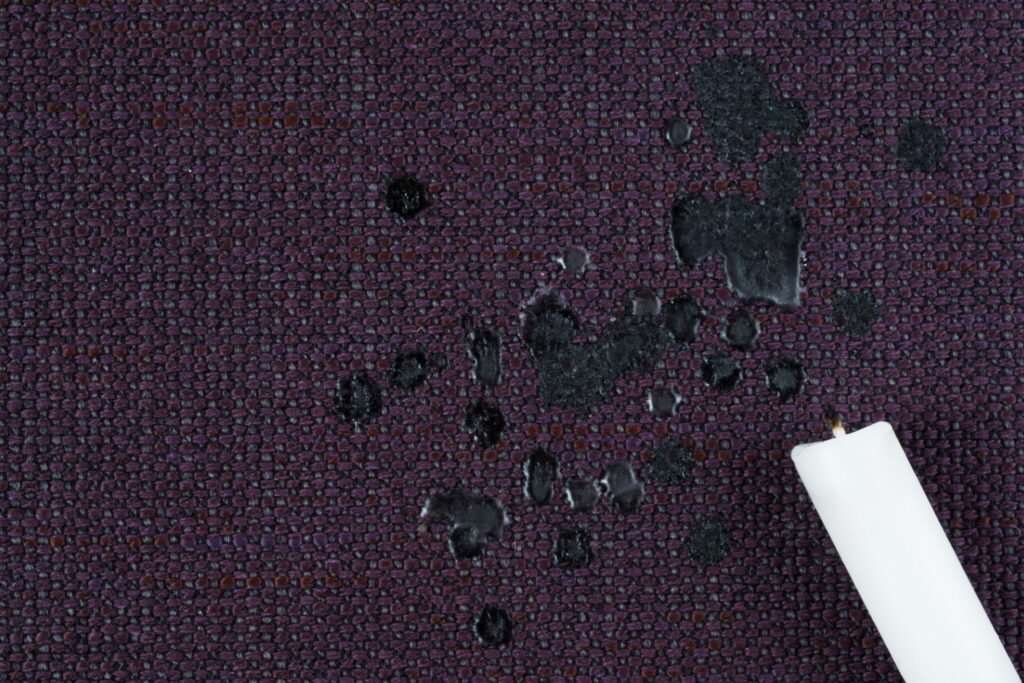
A dripping candle can turn a lovely dinner into a cleanup project in seconds. Learning how to remove candle wax from a tablecloth without an iron is easier than most people expect, and you do not need special equipment to get a clean result. Wax hardens quickly, which actually works in your favor: hardened wax lifts off fabric far more cleanly than melted wax. With the right method for your fabric type, a little patience, and a few household supplies, you can remove the wax, lift any remaining color or oil stain, and return the tablecloth to the table.
This guide covers the freezer method, the gentle heat method without an iron, and the best approach for delicate fabrics, colored wax, and stubborn residue. It also explains what not to do, so you avoid spreading the wax, setting the stain, or damaging the cloth. Work slowly, test any cleaning solution on a hidden corner first, and always check the care label before you begin.
Start Here: What to Do First
When wax spills, resist the urge to wipe it while it is still liquid. Wiping spreads melted wax deeper into the fibers and makes the stain larger. Instead, let the wax cool and harden completely. If you are in a hurry, place a bag of ice cubes or a cold pack over the spill for a few minutes. Once the wax feels hard and brittle, you can start removing it safely.
Next, check the care label. Cotton, linen, and polyester blends usually tolerate the methods below well. Silk, velvet, wool, and cloths labeled dry clean only need extra care, and a professional cleaner is often the safest choice for those fabrics. Note the wax color too. White or ivory wax usually leaves little color behind, while red, blue, or dark wax can leave a dye stain even after the wax itself is gone. That dye stain needs a separate stain-removal step, covered later in this guide.
Gather your supplies before you start: a dull butter knife or a plastic scraper, paper towels or clean white cloths, a freezer bag or ice pack, rubbing alcohol or a gentle dish soap, and a washing machine or basin for the final wash. White cloths are best for blotting because colored towels can transfer dye onto a damp tablecloth.
Method 1: The Freezer Method (Best for Most Tablecloths)
The freezer method is the simplest and safest way to remove candle wax from a tablecloth without an iron. Cold makes wax brittle, so it cracks and lifts away instead of smearing. This method works especially well for cotton and polyester tablecloths and for thick spills.
Step-by-step freezer method
First, let the wax harden fully at room temperature, or speed the process with ice. Second, scrape off as much surface wax as possible with a dull butter knife, working from the outside of the spill toward the center so you do not spread it. Use gentle pressure and keep the blade flat against the fabric to avoid snagging threads.
Third, fold the tablecloth so the waxed area faces outward, place it in a plastic bag if needed to keep it clean, and put it in the freezer. Leave it for at least two to three hours, or overnight for a thick spill. The wax should feel rock hard and brittle when you take it out.
Fourth, work quickly while the wax is still cold. Bend and flex the fabric gently around the spill, and scrape or peel the wax away in pieces. Much of it should pop off cleanly. For small flakes left behind, use the edge of a credit card or a plastic scraper. If the wax starts to soften as it warms, return the cloth to the freezer for another hour and repeat.
Fifth, inspect the fabric in good light. If only a faint waxy film remains, move to the residue step below. If a colored stain remains, treat it before washing. Do not put the tablecloth in a dryer until the stain is fully gone, because heat can set a remaining dye stain permanently.
Method 2: Gentle Heat Without an Iron
If the spill is too large to fit in the freezer, or the tablecloth is too bulky, gentle heat can melt the wax out of the fibers without an iron. The key is controlled, low heat plus absorbent paper to catch the melted wax. Never use an open flame near fabric, and never pour boiling water directly onto a delicate cloth without testing first.
Option A: Hair dryer and paper towels
Place the stained area face down on a stack of clean paper towels or a white absorbent cloth. Set a hair dryer to low or medium heat and hold it several inches from the back of the fabric, moving it slowly back and forth. As the wax melts, the paper towels underneath will absorb it. Replace the paper towels as soon as they show wax, and repeat until no more wax transfers. Keep the dryer moving so no single spot overheats, and stop if the fabric feels very hot to the touch.
Option B: Warm water soak for sturdy fabrics
For sturdy cotton or polyester cloths, warm water can help loosen thin residue after scraping. Fill a basin with warm, not boiling, water and a small amount of gentle dish soap. Soak the stained area for fifteen to thirty minutes, then gently rub the fabric against itself. Rinse with clean warm water and check the stain. This method works best as a follow-up to scraping, not as a replacement for it, because soaking a thick wax spill can spread melted wax.
Option C: Steamer or kettle steam with care
If you own a handheld garment steamer, you can use short bursts of steam from the back of the fabric while paper towels sit underneath to absorb melted wax. Keep the steamer moving and test on a hidden area first. Do not use this method on silk, velvet, or any fabric that water spots easily. When in doubt, stick with the freezer method.
Removing the Leftover Waxy Film and Color Stain
After the solid wax is gone, two kinds of residue may remain: a greasy, waxy film and a colored dye stain from colored candles. Each needs a different treatment.
For waxy or oily residue
Apply a small drop of clear dish soap directly to the residue and work it in gently with your fingers or a soft cloth. Dish soap is designed to cut grease, which makes it effective on wax residue. Let it sit for ten to fifteen minutes, then rinse with warm water. For a stronger approach on sturdy fabrics, dab rubbing alcohol onto a white cloth and blot the residue, working from the outside inward. Rubbing alcohol dissolves wax well, but test it first on a hidden corner, and avoid it on acetate, rayon, or delicate fabrics unless the care label allows it.
For colored wax stains
Colored wax dye can linger after the wax is gone. For white cotton or linen cloths, a soak in oxygen-based stain remover mixed with warm water, following the product directions, often lifts the color safely. For colored tablecloths, use a color-safe oxygen stain remover and test on a hidden area first, since strong bleaches can fade fabric color. Avoid chlorine bleach on colored cloths and on linen unless the label specifically allows it.
Blot, do not rub, when treating a dye stain. Rubbing pushes dye deeper into fibers and can fray the fabric. Work from the outside of the stain toward the center, change to a clean section of cloth frequently, and rinse and recheck often. Repeat the treatment if the color fades but does not disappear completely. Patience beats harsh scrubbing here.
Final wash
Once the wax and any color stain are gone, wash the tablecloth as usual, following the care label for water temperature and cycle. Use your normal detergent, and add oxygen stain remover to the wash for extra help if the label allows it. After washing, inspect the cloth before drying. If any stain remains, treat it again and rewash. Only put the cloth in the dryer or iron it once the stain is fully gone, because dryer heat can set a leftover stain.
Special Cases: Delicate, Vintage, and Dry Clean Only Fabrics
Silk, velvet, lace, embroidered cloths, and vintage tablecloths need a gentler touch. For these, scrape off hardened wax very carefully, then try the freezer method only if the fabric tolerates cold and folding without damage. Avoid rubbing alcohol, hot water, and aggressive stain removers on delicate fabrics. A small amount of gentle dish soap and cool water, blotted carefully, is usually the safest home treatment.
If the cloth is labeled dry clean only, valuable, or sentimental, take it to a professional cleaner and point out the wax stain before cleaning. Tell the cleaner the candle color, since dye treatment differs from wax removal. Home methods can work on sturdy fabrics, but a professional has solvents and experience that reduce the risk of damage to delicate cloths. A similar principle applies to other surfaces: for carpet, a related approach using gentle heat and absorption works well, as described in How to Get Candle Wax Out of Carpet Without an Iron, but always adapt the method to the surface you are cleaning.
Pros and Cons of Each Method
The freezer method is simple, safe for most fabrics, and needs no heat, which makes it the best first choice. Its drawback is space: a large tablecloth may not fit easily in a freezer, and it takes a few hours. The hair dryer method works on large cloths and gives fast results, but it needs care to avoid overheating fabric or spreading melted wax. The warm soak method is good for thin residue on sturdy fabrics, but it is less effective on thick spills and unsuitable for delicate cloths. Choosing the right method for your fabric and spill size matters more than speed.
Mistakes to Avoid
Do not wipe hot wax, which spreads the stain. Do not scrape with a sharp knife, which can cut threads or snag the weave. Do not use colored paper towels, printed napkins, or newspaper as absorbent layers, since ink or dye can transfer onto the cloth when heated. Do not apply an iron directly to the fabric, even as a shortcut, because direct heat can scorch fabric and drive wax deeper. If you use any heat method, always place absorbent paper between the heat source and the fabric, and keep the heat low and moving.
Another common mistake is drying the cloth before checking the stain. Dryer heat sets dye stains, turning a fixable mark into a permanent one. Always air-dry or inspect first, and only machine-dry once the fabric looks clean in good light. Finally, do not mix cleaning products. Use one treatment at a time, rinse between treatments, and follow product directions. Mixing bleach with other cleaners can damage fabric and create unsafe fumes.
Preventing the Next Spill
A few simple habits reduce future wax spills. Use candle holders with a wide rim or a drip tray, trim wicks to a short length before lighting, and keep candles away from table edges, drafts, and anything that can knock them over. Place a washable table runner or placemats under candles during dinner parties, so any drip lands on an easy-to-clean layer rather than the main cloth. Battery-operated candles give the same glow for centerpieces where real candles are risky, such as near children, pets, or flowing fabric. If you love real candles, a quick check during the evening lets you catch a drip while it is small, rather than discovering a large pool after the meal.
FAQs
Can I remove candle wax from a tablecloth without an iron or freezer?
Yes. Scrape off the hardened wax, then use a hair dryer on low heat with paper towels underneath to melt and absorb the remaining wax. Follow with dish soap for residue and a normal wash. The freezer simply makes the job easier, but it is not required.
Will the freezer damage my tablecloth?
For most cotton, linen, and polyester tablecloths, a few hours in the freezer is safe. Avoid folding delicate, heavily embroidered, or stiff vintage cloths tightly, and let the cloth return to room temperature gently before washing. If the care label warns against cold or folding, choose the hair dryer method instead.
How do I remove red or dark candle wax stains?
Remove the solid wax first, then treat the dye stain with a color-safe oxygen stain remover or diluted dish soap, blotting from the outside inward. Repeat as needed before washing, and do not machine-dry until the color is gone, since heat can set dye stains.
Is rubbing alcohol safe on all tablecloths?
No. Rubbing alcohol works well on sturdy cotton and polyester, but it can damage acetate, rayon, silk, and some dyes. Always test on a hidden corner first, use a small amount on a white cloth, and rinse well afterward. When in doubt, use dish soap and warm water instead.
What if wax is still stuck after freezing?
Return the cloth to the freezer for longer, then scrape while it is still very cold. Thin residue that will not chip off usually responds to the hair dryer method with fresh paper towels, followed by dish soap. Work in small sections so the wax does not warm and smear.
Should I wash the tablecloth in hot water after wax removal?
Use the warmest water the care label allows, not the hottest water available. Warm water helps dissolve residue, but very hot water can set a remaining dye stain and may shrink or damage some fabrics. Always check the label and inspect the stain before drying.
With hardened wax, gentle scraping, and the right follow-up for residue, most tablecloths come clean without an iron and without drama. Start with the freezer method when you can, use gentle heat only when you need it, treat any color stain before washing, and check the cloth before it goes in the dryer. Your tablecloth can be back on the table, looking as good as it did before the candle dripped.