A permanent marker stain on a favorite shirt feels like a disaster, because the ink is designed to stay put. The usual advice is to reach for rubbing alcohol, but many households do not have it on hand, and it can be harsh on delicate fabrics, bright colors, and skin. If you need to know how to remove permanent marker from clothes without rubbing alcohol, you have several effective options using ordinary household supplies. The trick is to act quickly, work gently, and choose a method that suits the fabric, because the same treatment that saves a sturdy cotton T-shirt could damage silk or wool.
Permanent marker ink is made of a colorant, a resin that binds it to surfaces, and a solvent that carries it into fibers and then evaporates. Once the solvent evaporates, the resin locks the color in place. Successful stain removal works by dissolving that resin again so the color can be lifted out, without spreading it deeper into the fabric. That is why blotting matters more than scrubbing, why you should always work from the outside of the stain inward, and why patience with repeated gentle treatments beats one aggressive attempt. With the right method, many marker stains fade completely, and even stubborn ones usually lighten enough that the garment is wearable again.
First Steps: Act Fast and Protect the Fabric
Speed helps, but it is not everything. A fresh stain is easier to remove than one that has been through the dryer, because heat sets the ink permanently into fibers. If you discover a marker stain, do not put the garment in the dryer until you have treated it. If the garment has already been dried with the stain in place, removal becomes much harder, though not always impossible, so it is still worth trying the gentler methods below.
Start by identifying the fabric. Check the care label. Cotton, polyester, and sturdy cotton blends tolerate most of the methods in this guide. Delicate fabrics such as silk, wool, rayon, and garments labeled dry clean only need a gentler approach or a professional cleaner. Bright or dark colors need a spot test first: apply your chosen treatment to a hidden area, such as an inside seam, wait a few minutes, and check for color loss or damage before treating the visible stain.
Place the stained area face down on a stack of clean white paper towels or an old white cloth. This setup lets the ink transfer out of the fabric and into the absorbent layer below, instead of spreading to other parts of the garment. Replace the towels as they pick up ink. Work in a well-ventilated area, wear gloves if you are using nail polish remover or a commercial product, and keep treatments away from open flames.
Method 1: Hand Sanitizer and Hairspray Alternatives
Hand sanitizer is one of the most useful substitutes for rubbing alcohol, because most sanitizers contain a high percentage of alcohol as their active ingredient. Squeeze a generous amount onto the stain, let it sit for a few minutes so the alcohol can dissolve the ink resin, then blot firmly with a clean cloth. You should see color transferring to the cloth. Repeat with fresh sanitizer and a clean section of cloth until no more color transfers, then rinse with cold water and wash as usual.
Hairspray is another classic option, but it only works if the hairspray contains alcohol. Many modern hairsprays are alcohol-free, so check the ingredient list first. If it contains alcohol, spray the stain thoroughly, let it sit for several minutes, blot, and repeat. Be cautious with hairspray on delicate fabrics, because the resins and fragrances in the spray can leave their own residue. Always rinse well and launder after treatment.
Both methods work best on cotton and polyester. They are less reliable on very old or heat-set stains, and they can lighten some dyes, so the spot test matters. If the stain is on white clothing, these methods are especially effective, because there is no garment dye to worry about losing.
Method 2: Baking Soda Paste for Everyday Fabrics
Baking soda is a gentle abrasive and a mild stain lifter, and it is safe for most washable fabrics. Mix baking soda with a small amount of water to form a thick paste, spread it over the stain, and let it sit for fifteen to thirty minutes. Then rub very gently with an old toothbrush or a soft cloth, working from the outside inward. Rinse with cold water and check the result. You can repeat the paste treatment two or three times for a stubborn stain.
For extra lifting power, some people mix baking soda with a small amount of white vinegar to create a fizzing action, then apply the mixture to the stain. This can help on sturdy cotton, but the fizzing is brief, and the mixture is less effective than a paste that stays in contact with the stain for a longer period. On white garments, a paste of baking soda and a few drops of hydrogen peroxide can help, but use peroxide cautiously: it can lighten colors, so reserve it for whites only, and test first even there.
Baking soda paste is a good first choice for children’s clothing and for stains where you are unsure about the fabric, because it is mild and easy to rinse out. Its main limitation is that it may not fully remove a large, dark stain on its own. In that case, follow it with one of the solvent-based methods below.
Method 3: Milk Soak for Delicate and Colored Fabrics
Soaking in milk is an old-fashioned remedy that still works surprisingly well, especially for delicate fabrics and colored garments where stronger solvents are risky. Place the stained area in a bowl of plain milk, enough to cover the stain completely, and let it soak for several hours or overnight. The milk helps loosen the ink, and you may see the milk take on a tint as the color transfers. Replace the milk if it becomes deeply colored, and repeat the soak if needed.
After soaking, rinse the garment in cold water, then wash it with your usual detergent. Milk soaking is slow, but it is gentle, which makes it a good option for silk blends, rayon, and brightly colored items. It is less effective on large, dark stains or on stains that have been heat-set, but for a fresh stain on a delicate garment, it is often the safest first attempt.
Do not use hot water for the milk soak, and do not leave the garment soaking for more than a day, because milk can sour and leave an odor. A thorough wash after soaking removes any remaining milk smell. If the stain remains after a milk soak, you can move on to a stronger method, provided the fabric can tolerate it.
Method 4: Nail Polish Remover for Sturdy Fabrics Only
Acetone-based nail polish remover dissolves permanent marker ink effectively, but it is a strong solvent and must be used with care. It is suitable only for sturdy, colorfast fabrics such as white cotton or polyester, and it should never be used on acetate, rayon, or other fabrics that acetone can dissolve or damage. Always check the care label and test on a hidden area first.
To use it, place the stain face down on paper towels, dab a small amount of acetone remover onto the back of the stain with a cotton ball or clean cloth, and blot from the outside inward. Replace the towels as ink transfers. Work in a ventilated area, keep the remover away from flames, and rinse the garment thoroughly with cold water as soon as the stain has faded. Wash the garment promptly afterward to remove all solvent residue.
Acetone-free nail polish remover is much weaker against marker ink and usually gives disappointing results. If your remover is acetone-free, try one of the other methods instead. Never use acetone remover on leather, suede, or dry-clean-only garments.
Method 5: Sunscreen, Toothpaste, and Other Household Options
Several other household products can help in a pinch. Sunscreen, particularly spray sunscreen, contains solvents that can dissolve marker ink. Spray it onto the stain, let it sit for a few minutes, blot, and rinse. It works best on sturdy fabrics and fresh stains, and it should be washed out thoroughly afterward, since sunscreen itself can stain if left in fabric.
Plain white toothpaste, not gel toothpaste, is another option. Apply a thick layer over the stain, rub gently with a soft cloth or toothbrush, let it sit for ten to fifteen minutes, and rinse. Toothpaste is mildly abrasive, so use a light touch on delicate fabrics, and avoid whitening toothpastes with strong bleaching agents on colored garments.
Distilled white vinegar can also help, especially when combined with a drop of dish soap. Dab the mixture onto the stain, let it sit for ten minutes, blot, and rinse. Vinegar alone is weaker than alcohol-based methods, but it is safe for most fabrics and useful as a follow-up treatment to lift the last traces of color after a stronger method has done most of the work.
What Works Best by Fabric Type
For white cotton, you have the most options: hand sanitizer, baking soda paste, acetone remover, and vinegar treatments are all reasonable choices, and you can repeat treatments until the stain is gone. For colored cotton and polyester, hand sanitizer and baking soda paste are the safest starting points, with a careful spot test before any stronger solvent.
For denim, hand sanitizer and baking soda paste both work well, though denim’s thick weave may need several rounds. Work the treatment into the fabric gently and rinse between rounds so dissolved ink does not resettle. For delicate fabrics such as silk and wool, start with a milk soak, and if that fails, take the garment to a professional cleaner rather than risking a strong solvent. Tell the cleaner what caused the stain and what you have already tried, because that information helps them choose the right treatment.
For leather, suede, and dry-clean-only items, do not use any of the home solvent methods. These materials are easily damaged, and a professional cleaner has solvents designed for them. The same caution applies to garments with special finishes, such as waterproof coatings, which solvents can strip away.
Mistakes to Avoid
The biggest mistake is scrubbing hard. Scrubbing spreads the ink, pushes it deeper into the fibers, and can damage the fabric surface, leaving a fuzzy patch even if the color fades. Blotting and gentle dabbing are always better. Another common mistake is using hot water or a hot dryer before the stain is fully removed. Heat sets marker ink, so always use cold water for rinsing and stain treatment, and air-dry the garment until you are satisfied with the result.
A third mistake is mixing treatments carelessly. Do not combine bleach with other cleaners, and do not pour one solvent over another without rinsing in between. Residues can react, damage fabric, or create fumes. Rinse thoroughly between different methods, and wash the garment before trying a completely different product family.
Finally, do not expect a single treatment to erase a large stain completely. Most successful removals take two or three rounds. Check your progress after each round, replace your blotting towels, and be patient. Repeated gentle treatments preserve the garment, while one harsh attempt can ruin it.
After Treatment: Washing and Checking
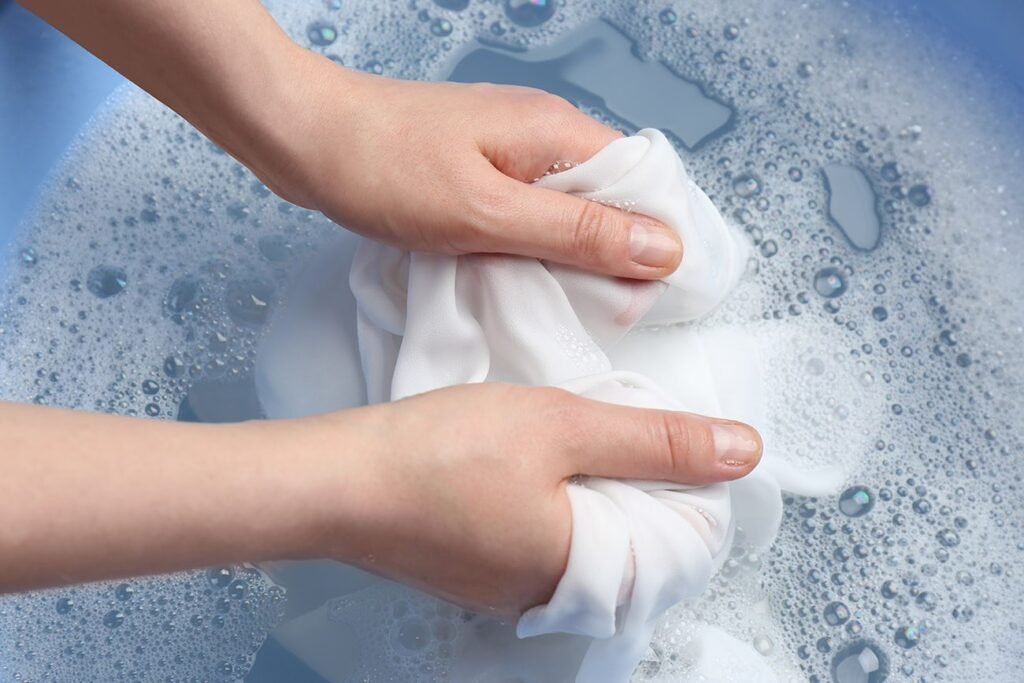
Once the stain has faded as much as it will, rinse the garment in cold water to remove all treatment residue. Then wash it with your usual detergent on a normal cycle, but air-dry it instead of using the dryer. Inspect the garment in good light after washing. If a faint shadow remains, you can repeat the treatment, since the stain has not been heat-set. Only when you are satisfied with the result should you machine-dry the garment.
If a shadow persists after several careful attempts, consider whether the garment can live with it. A faint mark on an inside seam area, a work shirt, or a child’s play clothes may be acceptable. For a valuable or sentimental garment, a professional cleaner is worth the cost, especially if you have not yet applied heat. Bring the garment in promptly and describe the stain honestly, including the marker type if you know it.
Preventing the Next Marker Stain
Prevention is simpler than removal. Keep permanent markers away from laundry piles and clean clothing, cap markers immediately after use, and store them upright in a container rather than loose in pockets or bags. When children use permanent markers, dress them in old clothes or an art smock, and supervise the activity. For craft projects, cover the work surface and keep a spare cloth nearby for quick blotting if a mark goes astray.
If you use permanent markers for labeling fabric, choose fabric markers designed for that purpose, which are formulated to survive washing without bleeding. For temporary fabric marking, use washable markers or tailor’s chalk instead. These small habits prevent most marker accidents, and they save the time and effort of stain removal entirely.
Frequently Asked Questions
Can hand sanitizer really remove permanent marker from clothes?
Yes, in many cases. Most hand sanitizers contain alcohol, which dissolves the resin that binds marker ink to fibers. Apply it generously, let it sit for a few minutes, blot with a clean cloth, and repeat until no more color transfers, then rinse and wash.
Will baking soda damage colored clothes?
Baking soda paste is generally safe for colored clothes because it is mild, but you should still test it on a hidden area first. Use a gentle touch, rinse well, and avoid combining it with strong bleaching agents on colored fabrics.
What if the marker stain has already been through the dryer?
Heat-set stains are much harder to remove, but it is still worth trying hand sanitizer or a repeated baking soda treatment. Results will be partial at best, and a professional cleaner may be the best option for a valuable garment.
Can I use nail polish remover on all fabrics?
No. Acetone-based remover should only be used on sturdy, colorfast fabrics such as white cotton or polyester. It can dissolve or damage acetate, rayon, leather, and suede, and it should never be used on dry-clean-only garments.
Is milk soaking safe for delicate fabrics?
Milk soaking is one of the gentlest options and suits delicate and colored fabrics well. Soak for several hours or overnight, rinse in cold water, and wash normally. Replace the milk if it becomes deeply colored during the soak.
Why should I not use hot water on a marker stain?
Hot water and dryer heat set marker ink into fibers, making the stain much harder or impossible to remove. Always rinse and treat with cold water, and air-dry the garment until the stain is fully gone.