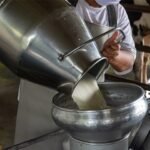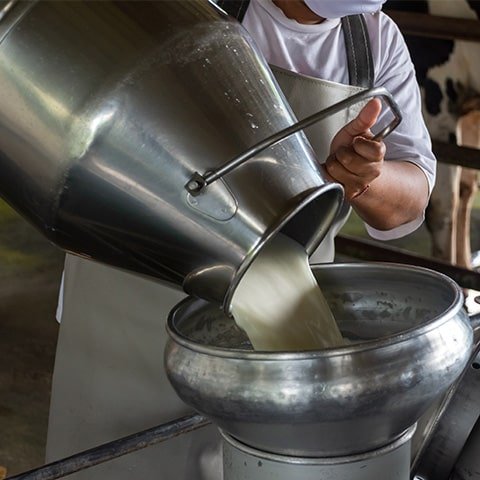
A milk van rolling out of the Civil Secretariat in Itanagar carries a bigger message than its size suggests: Arunachal Pradesh’s dairy farmers now have a guaranteed buyer in uniform. Chief Minister Pema Khandu flagged off the van to mark the signing of a memorandum of understanding between the state’s Department of Animal Husbandry, Veterinary and Dairy Development and the Indo-Tibetan Border Police.
Under the agreement, locally produced milk and dairy products will be supplied directly to the ITBP’s 31st Battalion stationed in the state. The ITBP guards the India-China border along the Line of Actual Control and maintains multiple battalions in remote terrain, where personnel have historically depended on supply chains stretching far from local farms.
A direct channel from farm to battalion
The new arrangement creates a direct procurement channel between Arunachal Pradesh’s dairy cooperative sector and one of the most logistically challenging postings in India’s paramilitary framework. Instead of travelling long distances through intermediaries, milk produced within the state will now reach the battalion more quickly, while the money paid for it goes directly into the hands of local producers.
Chief Minister Khandu described the initiative as a step toward providing a reliable market for farmers’ produce, improving their income opportunities and strengthening the dairy cooperative sector in the state. For small producers in hill districts, a steady institutional buyer can be the difference between a fragile livelihood and a sustainable one.
Why this matters for remote Arunachal
Arunachal Pradesh’s remoteness shapes almost every part of its economy. Transport costs are high, markets are distant, and perishable goods such as milk are especially vulnerable to delay. A dependable local buyer reduces waste, shortens the supply chain and keeps value within the state. It also supports the state’s wider push to turn rural skills into real jobs through new partnerships.
The deal also strengthens the bond between border communities and the forces posted among them. When jawans consume milk produced by neighbouring villages, the relationship becomes practical and everyday, not just symbolic. The state transport network that serves remote areas shows how vital such everyday links are in Arunachal’s scattered settlements.
What to watch
The success of the agreement will depend on consistency: regular collection, fair prices, cold-chain handling and timely payment to farmers. If the model works for the 31st Battalion, it could be extended to other battalions and institutions, giving the state’s dairy sector a stable foundation to grow. For now, the flagged-off milk van is a small but hopeful sign that local produce can find a local market, even at the edge of the country.
#ArunachalPradesh #PemaKhandu #ITBP #DairyFarmers #Milk #Cooperative