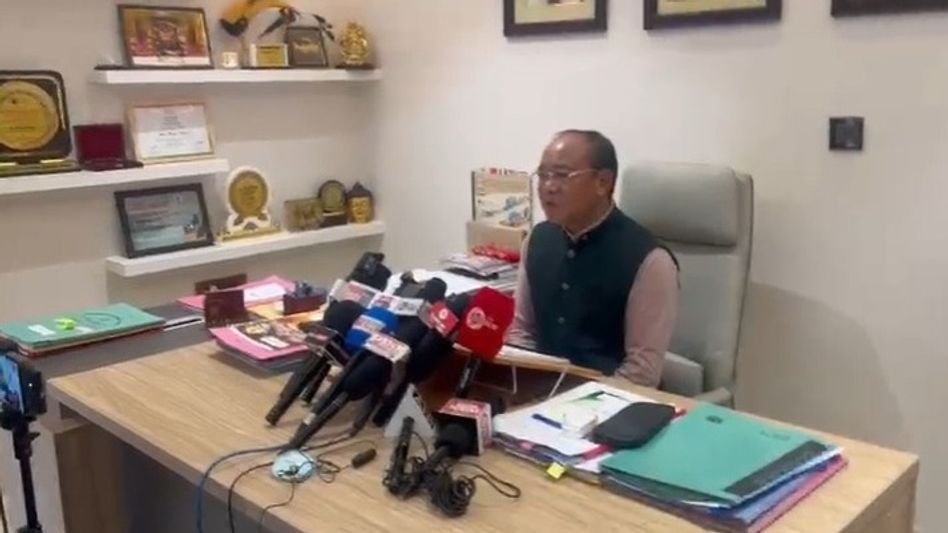

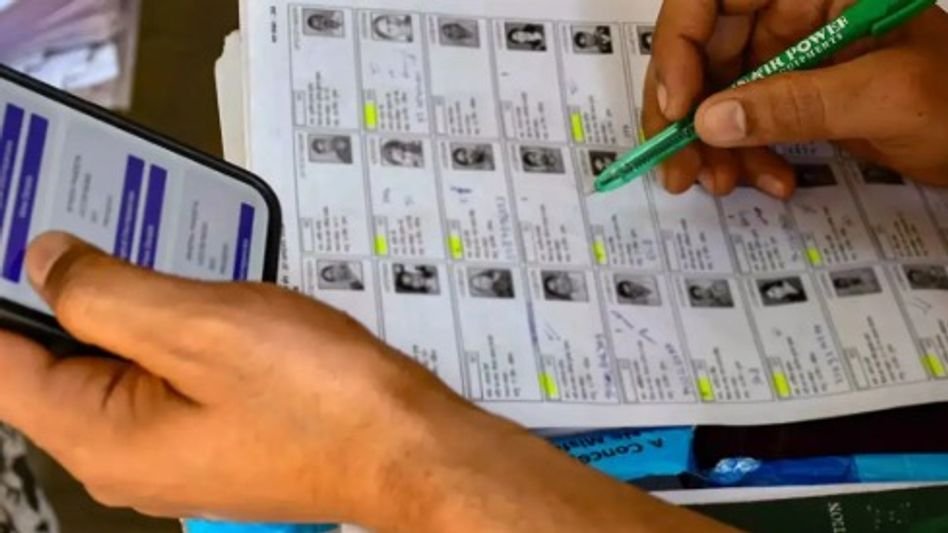
Arunachal Pradesh just published its final electoral roll — and almost two lakh names didn’t make the cut.
The state election office released the official voter list on Tuesday, September 22, showing a total of 6,96,026 registered electors. That’s a drop of 1,91,479 from the figure that existed before the Special Intensive Revision, or SIR, process kicked in. To put that in plain terms — a number roughly equivalent to the population of a mid-sized hill town has been scrubbed from the democratic record. That’s not a small thing.
The SIR exercise had started back on June 5 this year, and what followed was months of painstaking verification work that exposed just how messy the old voter rolls had been. A draft roll published on July 21 listed 7,18,046 electors. Of those, 6,32,871 were confirmed as properly mapped — either as the registered individual or their progeny — while 85,175 couldn’t be traced or verified at all. They were flagged as “unmapped.”
That’s when the real scrutiny began.
Election authorities sent out notices to those unmapped voters and also targeted another 1,33,413 electors whose entries had what officials called “logical discrepancies” — essentially, red flags in the data that didn’t add up. In total, the state issued 2,18,588 notices during the verification phase. Hearings were held. Documents were examined. Booth-level officers submitted undertakings. It was, by any measure, a thorough sweep.
During the claims and objections window — which ran from July 21 to August 20 — the office received 18,598 application forms. Of those, 8,803 voters were added to the rolls and 1,924 were removed. The net result, when tallied against the pre-SIR baseline of 8,87,505 voters, is a final list that is leaner by nearly 1.92 lakh names.
There’s another number worth pausing on. The final roll has 3,43,709 male voters and 3,52,315 female voters, with two third-gender electors also enrolled. That puts the gender ratio at 1,025 women per 1,000 men — a figure that, if accurate, actually reflects a female edge in voter registration. Whether that translates into equal participation at the booth is a separate conversation, but the number is notable.
What’s less encouraging is the Voter ID card data. Only 43.61 per cent of registered voters possess a physical or digital Voter ID card. That means well over half the electorate is navigating the system without that basic document. In a state with challenging terrain and connectivity gaps, this is a gap that deserves serious attention ahead of future elections.
The final roll for service voters was also released the same day, with 5,552 service electors enrolled from the state.
For anyone who feels they were unfairly left off the list, the door isn’t fully closed. Aggrieved voters can appeal to the district magistrate within 15 days of the roll’s publication. If unsatisfied with that outcome, a second appeal can be filed before the chief electoral officer within 30 days of the district magistrate’s order.
What the SIR has done, ultimately, is force a reckoning with voter rolls that were clearly carrying names that had no business being there. Cleaning up a democracy’s backbone is rarely comfortable — but it’s necessary. The real test now is whether every legitimate voter who should be on that list, actually is.