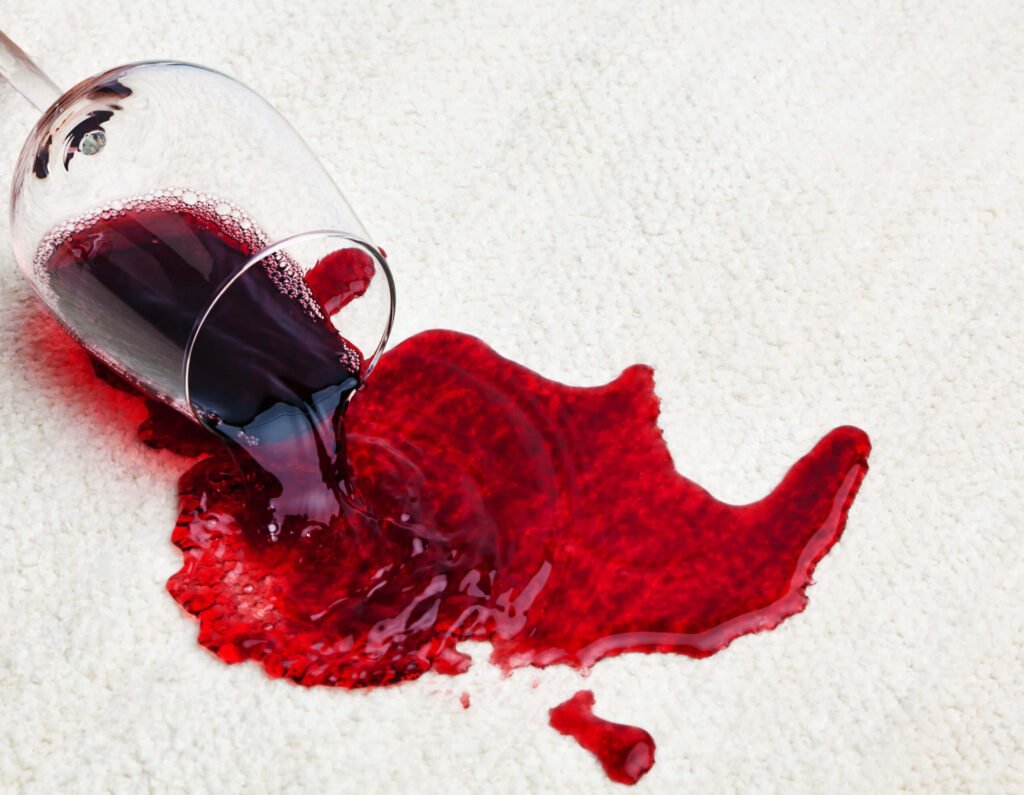
Learning how to remove red wine stain from carpet without hydrogen peroxide is one of the most useful cleaning skills a homeowner can have, because a spilled glass of red wine feels like a disaster in the moment, but it does not have to leave a permanent mark. Hydrogen peroxide is a common recommendation for wine stains, yet many people prefer to avoid it. It can lighten or bleach colored carpet, weaken fibers over time, and damage wool or other natural materials. The good news is that you do not need it. With cold water, salt or baking soda, and a small amount of plain dish soap, you can lift most red wine stains completely, as long as you act calmly, work in the right order, and avoid the mistakes that push the stain deeper.
This guide covers the full process for fresh spills and for stains that have already dried. You will learn why red wine stains the way it does, which household supplies actually help and which ones only make things worse, how to treat different carpet types safely, and what to do if a faint shadow remains after the first attempt. The methods here use gentle, inexpensive ingredients you probably already own, and every step is designed to protect your carpet color while removing as much pigment as possible.
Why Red Wine Stains Carpet So Stubbornly
Red wine gets its color from pigments called tannins and anthocyanins, which come from grape skins. These pigments bond readily to carpet fibers, especially natural fibers such as wool and cotton, and they sink deeper the longer they sit. Heat makes the bond stronger, which is why hot water, steam cleaners, and hair dryers should never be used on a fresh wine stain. Acidity also plays a role: wine is acidic, and that acidity can help the color settle into the fiber if the spill is left untreated.
Carpet construction matters too. Loop pile and light-colored carpet show wine stains more clearly than dark, cut-pile carpet, and older carpet with worn protective coating absorbs liquid faster. That does not mean a stain on light carpet is hopeless. It simply means you should work quickly, blot rather than rub, and repeat gentle treatments instead of reaching for one harsh chemical in a single aggressive attempt.
Why Skip Hydrogen Peroxide
Hydrogen peroxide works as a mild bleach, and that is exactly the problem on colored carpet. On white or very light carpet it may be safe, but on beige, gray, blue, or patterned carpet it can leave a pale, faded patch that is more noticeable than the original stain. The risk is higher on wool, silk blends, and carpets dyed with natural dyes, where peroxide can strip color unevenly. It can also weaken fibers if used repeatedly or left on too long.
There is another practical reason to skip it. Many households do not keep fresh hydrogen peroxide on hand, and an old bottle that has lost its strength will not work well anyway. Salt, baking soda, and dish soap are cheaper, safer for most carpets, and far easier to control. They lift the stain gradually instead of bleaching it away, which protects the surrounding carpet color. If you ever do consider a stronger product in the future, always test it in a hidden corner first, but for the methods in this guide, no peroxide is needed at all.
What You Will Need
Gather your supplies before you start so you are not leaving a wet stain unattended while you search for towels. You will need several clean white cloths or white paper towels, cold water, table salt or baking soda, a small bowl, a spoon, and a bottle of clear, dye-free dish soap. Avoid colored towels, because their dye can transfer to damp carpet, and avoid dish soap with added color, fragrance oils, or antibacterial agents, which can leave residue.
Keep a vacuum cleaner handy for the final step. A fan or open window helps the carpet dry faster afterward. Keep white vinegar on hand as an optional helper for dried stains, but use it sparingly and never mix it with dish soap in a strong concentration, since too much soap leaves a sticky film that attracts dirt later.
Step-by-Step Method for a Fresh Spill
Step 1: Blot, Never Rub
Start by blotting the spill with a clean white cloth or a stack of paper towels. Press straight down, lift, fold to a clean section, and press again. Rubbing spreads the wine outward and pushes it deeper into the carpet backing, turning a small spot into a large one. Work from the outside edge of the stain toward the center so you do not enlarge the stained area. Keep blotting until the cloth comes away with little or no color. This step alone removes a surprising amount of wine, and it sets up everything that follows.
Step 2: Absorb With Salt or Baking Soda
While the spot is still damp, cover it generously with table salt or baking soda. Both draw moisture and pigment upward as they dry. Salt is the classic choice for a fresh spill because its crystals absorb liquid quickly, while baking soda has the added benefit of neutralizing odor. Pour on enough to cover the entire stain in a thick layer, and do not skimp on the edges. Let it sit for at least twenty minutes, or until it looks dry and crusty. For a large spill, you may need to leave it for an hour. Once dry, vacuum up the powder thoroughly.
Step 3: Apply a Gentle Dish Soap Solution
Mix one tablespoon of clear dish soap with two cups of cold water. Dampen a clean white cloth with the solution, wring out the excess, and blot the stain repeatedly. The soap breaks the bond between the wine pigment and the fiber so the color can transfer to the cloth. Use a light touch and keep folding to a clean section of cloth. Avoid soaking the carpet, because excess water can reach the padding underneath and create a damp spot that is slow to dry. Work in small sections, and be patient: several rounds of blotting are better than one aggressive scrub.
Step 4: Rinse With Cold Water
After the color stops transferring, rinse the area by blotting with a cloth dampened in plain cold water. This step is easy to skip, but it matters. Soap residue left in carpet attracts dirt, so a poorly rinsed spot can look dingy again within weeks. Blot with fresh water several times, changing to a clean cloth section often, until the carpet no longer feels slippery or soapy. Press a dry towel firmly over the area to absorb as much moisture as possible.
Step 5: Dry Completely
Let the carpet air dry fully before walking on it or replacing furniture. Place a fan nearby or open a window to improve airflow, and avoid using heat. Once dry, vacuum the area to restore the carpet texture. Check the spot in daylight, since indoor lighting can hide a faint pink shadow. If a light tint remains, repeat the dish soap step once more rather than switching to a harsher product. Most fresh stains come out completely with one or two gentle rounds.
How to Treat a Dried Red Wine Stain
A dried stain needs more patience, but it is still very treatable without peroxide. Start by dampening the stain lightly with cold water, just enough to soften the dried pigment. Do not flood it. Then make a paste of three parts baking soda to one part cold water and spread it over the stain. Let the paste dry completely, which can take several hours, then vacuum it up. The paste draws out pigment gradually and is gentle enough for most carpets.
Next, blot with the same dish soap solution described above, working in small rounds and rinsing between rounds. For a stubborn dried stain, you can follow the soap step with a light application of a vinegar solution made from one part white vinegar and two parts cold water. Blot it on, wait five minutes, then blot with plain water. Vinegar helps dissolve dried tannins, but it should be used sparingly and always rinsed well, because its acidity can affect some carpet dyes if left in place. Repeat the cycle as needed, allowing the carpet to dry between rounds so you can judge your progress accurately.
Dried stains on wool carpet deserve extra caution. Wool absorbs dye deeply and is sensitive to alkaline cleaners, so keep solutions weak, avoid vigorous scrubbing, and test every product in a hidden spot first. If a dried stain on wool or on a valuable rug does not improve after two or three gentle rounds, it is wiser to call a professional carpet cleaner than to keep experimenting, since repeated wetting can damage the backing or cause shrinkage.
Comparing the Main Peroxide-Free Methods
Salt works best on fresh, wet spills because it absorbs liquid before pigment sets. Its advantage is speed and simplicity, but it does little once a stain has dried. Baking soda is more versatile: it absorbs moisture, neutralizes odor, and works as a paste on dried stains. Its drawback is that the fine powder must be vacuumed thoroughly, or residue can remain in deep pile carpet.
Dish soap solution is the workhorse of this guide because it actively lifts pigment rather than just absorbing it. Its advantage is effectiveness on both fresh and dried stains, but it must be rinsed well to avoid sticky residue. A diluted vinegar rinse is useful for dried stains, yet it is the method most likely to cause problems if overused, so treat it as a supporting step rather than the main treatment. Used together in the right order, absorption first and gentle cleaning second, these methods outperform any single ingredient on its own.
Mistakes That Make Wine Stains Worse
The most common mistake is rubbing instead of blotting, which spreads pigment and frays carpet fibers. The second is using hot water or steam too early, which can set the stain permanently. Colored towels, colored paper napkins, and dyed cleaning cloths are another trap, since their color can transfer to wet carpet and create a second stain on top of the first.
Other mistakes include using too much soap, skipping the rinse step, and walking on the damp area before it dries, which presses remaining pigment deeper. Avoid carpet cleaners that contain bleach, oxygen bleach in strong concentrations, or added dyes unless the label specifically says they are safe for your carpet type, and always test first.
Special Cases: Wool, Light Carpet, and Large Spills
For wool carpet, keep everything gentle: cold water only, weak soap solution, minimal moisture, and no vinegar unless a hidden-spot test shows no color change. Blot with extra care, since wool fibers felt and mat when rubbed. For very light or white carpet, the same peroxide-free methods still apply, and they are often enough, because light carpet shows the stain clearly but does not necessarily hold it more tightly. Work in small sections and repeat the soap and rinse cycle patiently.
When to Call a Professional
Most red wine stains respond to the methods above, but a few situations call for professional help. Call a cleaner if the stain has been set by heat, if it covers a large area, if the carpet is wool, silk, or an expensive hand-knotted rug, or if a faint stain remains after several gentle rounds. Professionals use extraction machines that rinse the carpet and padding thoroughly, which home blotting cannot fully replicate. Tell the cleaner exactly what you have already tried, so they do not repeat a method that failed or use a product that could react with residue left behind.
Preventing the Next Wine Stain
Prevention is simpler than removal. Keep drinks away from light carpet when possible, use coasters and stable glasses, and consider a carpet protector spray on high-traffic areas, applied according to the label and tested first. Clean up spills immediately rather than leaving them until morning, and keep a small stain kit ready: white cloths, salt, baking soda, and clear dish soap in one spot. A quick response matters more than any single product. The same gentle approach works for other everyday marks too, and learning one reliable stain routine makes the next spill far less stressful. For example, a gentle, bleach-free routine is also the smart way to tackle coffee stains without bleach, where patience and mild cleaners protect the surface while the stain lifts.
FAQs
Can red wine stains be removed without hydrogen peroxide?
Yes. Most fresh stains come out with blotting, salt or baking soda, and a weak dish soap solution, followed by a cold-water rinse. Dried stains take more rounds, but the same gentle ingredients usually work without any bleaching agent.
Should I use hot or cold water on a red wine stain?
Always use cold water. Heat can set wine pigment into carpet fibers and make the stain permanent. Even warm water should be avoided until the stain is fully removed and the carpet is dry.
Does salt really help with red wine on carpet?
Salt helps on fresh, wet spills by absorbing liquid and pigment before they set. It works best when applied generously while the stain is still damp and left until dry, then vacuumed up before further cleaning.
What if the stain is still visible after cleaning?
Let the carpet dry completely, then check it in daylight. Repeat the dish soap and rinse cycle once or twice more. If a shadow remains after several gentle rounds, or the carpet is wool or high value, contact a professional cleaner rather than trying stronger chemicals.
Is baking soda safe for all carpets?
Baking soda is safe for most synthetic carpets, but always test it in a hidden spot first on wool or natural-fiber carpet. Vacuum thoroughly after use, since leftover powder in deep pile can attract moisture and feel gritty underfoot.
Can I use a carpet cleaning machine instead?
Yes, a carpet cleaner with a cold-water setting can help, especially for large spills. Use a mild, dye-free cleaning solution, avoid heat settings, and make extra extraction passes with plain water so no soap residue stays behind.