
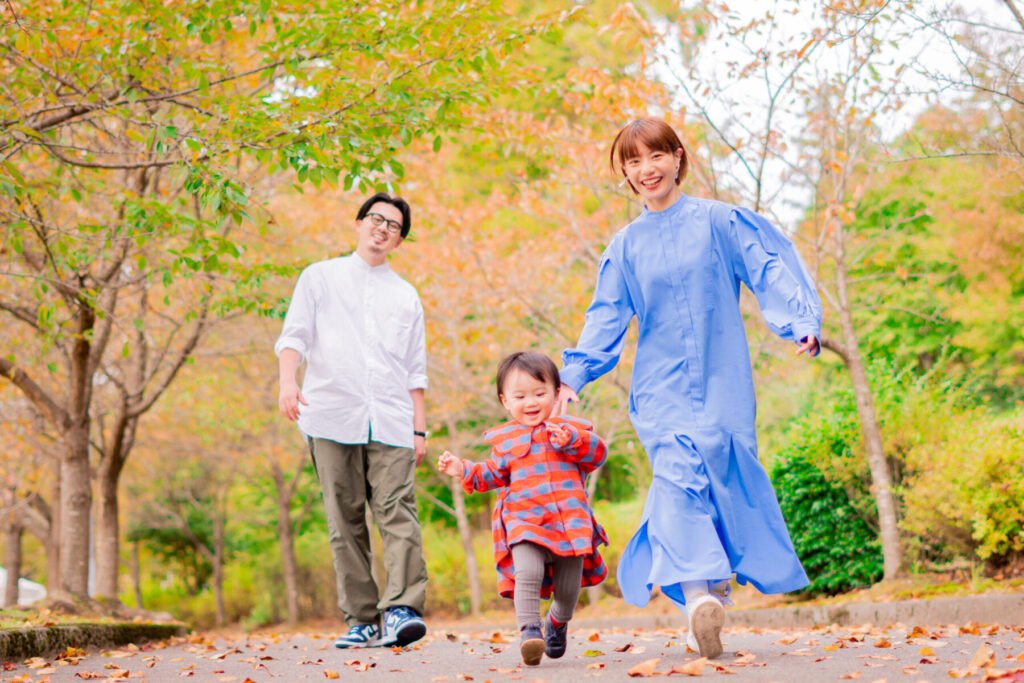
Learning how to stop a toddler from running away in public without a leash starts with understanding one reassuring fact: toddlers bolt because their brains are still learning impulse control, not because they are trying to defy you. A toddler sees something exciting, feels a burst of energy, and runs before the part of the brain that says “wait” has time to catch up. That is normal development, and it is also trainable. With consistent routines, playful practice, and smart backup plans, most toddlers learn to stay close in public, and outings become far less stressful for everyone.
A leash-style harness is a personal choice for some families, and this guide respects that. But many parents prefer to teach staying close as a skill, and that skill is genuinely teachable. The approach here does not rely on punishment or fear. It relies on making staying close rewarding and predictable, so your toddler chooses it more often, even when something exciting appears.
Why Toddlers Run Away in Public
Toddlers run for reasons that make perfect sense to them. They run toward something interesting, such as a playground, an animal, a fountain, or another child. They run for the sheer joy of movement, because running feels wonderful when you have just mastered it. They run away from something overwhelming, such as noise, crowds, or a long wait. And sometimes they run simply to see what happens, because cause and effect is endlessly fascinating at this age.
Understanding the reason helps you respond well. A toddler who runs toward a playground needs a clear “first we hold hands, then we play” routine. A toddler who runs when tired, hungry, or overstimulated needs shorter outings and better timing. A toddler who runs for fun needs safe places to run freely, so the urge gets satisfied before you enter a busy parking lot.
It also helps to keep expectations realistic. A toddler can know a rule and still break it in an exciting moment, because impulse control is still under construction and will be for a long time. That does not mean teaching has failed. It means the skill needs many calm repetitions before it holds under excitement. Judge progress over weeks, not single outings, and celebrate small wins, such as a few extra steps of hand-holding or a pause before running.
Make Hand-Holding a Habit, Not a Battle
The foundation of staying close is a hand-holding habit built at home, long before you need it in a parking lot. Start by making hand-holding pleasant. Hold hands during short, enjoyable walks around the house or yard, and pair it with songs, silly steps, or a favorite rhyme. When hand-holding feels like connection rather than restraint, toddlers resist it far less.
Use simple, consistent language. A short phrase such as “holding hands keeps us safe” or “hand in hand” becomes a cue your toddler recognizes. Say it every time, in the same calm tone, before you step into a place where hands are required. Consistency matters more than volume. A quiet, steady rule repeated every time teaches faster than a loud warning given only when trouble starts.
Give your toddler a job to do with the free hand, such as carrying a small bag, holding a stuffed animal, or pushing a toy stroller. Busy hands are less likely to pull away. Some toddlers also respond well to a choice within the rule: “Do you want to hold my hand or ride in the cart?” A choice gives a sense of control without opening the door to running free in an unsafe place.
If your toddler drops your hand, respond calmly and immediately. Stop walking, pick your toddler up or gently take the hand again, and restate the rule briefly. Then keep going as if nothing dramatic happened. Big reactions, long lectures, or laughter can all backfire. A big reaction can frighten a toddler or, just as often, teach the toddler that dropping hands produces an exciting show. Calm and boring is the goal.
Preview Every Outing With a Simple Plan
Toddlers cope much better when they know what will happen. Before you leave the house or the car, preview the outing in two or three short sentences. “We are going into the store. We hold hands inside. Then we go to the park, where you can run.” This tells your toddler what to expect, when the rule applies, and when freedom comes.
Previewing works even better when it includes the reward at the end. A toddler who knows that running time comes later is more willing to hold hands now. Name the fun that follows: the playground, a snack, a favorite aisle, or a chance to push the cart. The promise must be real, though. If you promise park time and then skip it, the preview loses its power quickly.
Keep the rules few and concrete. “Stay where you can see me” is vague for a toddler, but “hold my hand in the parking lot” is clear. One or two rules per outing are plenty. When the outing changes, such as moving from the parking lot into a fenced playground, announce the change: “Now you can run here.” Clear transitions help toddlers switch between holding hands and free play without confusion.
Practice Staying Close in Safe Places
Practice is where the skill is built. Choose safe, open places, such as a fenced playground, a quiet park, or a large empty room, and practice the stay-close game there. Start with very short distances. Ask your toddler to walk beside you to a tree and back, then celebrate success with praise and a hug. Gradually increase the distance and the distractions.
Play games that reward stopping and returning. “Stop and go” games, where your toddler runs a short way and then freezes or comes back on a cue word, teach the exact skill needed in public: the ability to stop mid-run. Practice a special stop word, such as “freeze” or “stop,” in a playful voice during games.
Practice in slightly harder settings step by step. A quiet sidewalk comes before a busy store. A small store comes before a crowded market. If your toddler fails repeatedly at a step, go back to an easier setting and build up again. That is how learning works, and it keeps practice positive.
Similar gentle, skill-building ideas help with other toddler behaviors too. If climbing is a challenge at home, see our guide on how to stop a toddler climbing furniture without baby gates, which uses the same approach of teaching an alternative instead of relying on barriers alone. And for moments when big feelings lead to hitting, our guide on how to stop a toddler hitting others without time-out explains the same calm-limit method in a different setting.
Choose the Right Backup for Each Setting
Even with good training, toddlers have bad days, and some settings are simply too risky for a learning toddler. A busy parking lot, a road with fast traffic, or a crowded event calls for a backup, and using one is not a failure. It is good planning.
Strollers, wagons, shopping carts, and carriers are all useful backups. Use them for the risky stretch, such as crossing a parking lot, and let your toddler walk in safer stretches, such as inside a store aisle or a park path. This balance gives practice where it is safe and protection where it matters. Over time, the walking stretches get longer as the skill grows.
When you use a backup, explain it simply: “The parking lot is for riding, and the park is for walking.” Toddlers accept backups much better when the rule is consistent and tied to the place. Avoid using the stroller as a punishment after running, because that turns a safety tool into a penalty.
Positioning also helps. Walk on the side away from traffic and stay close to walls or rails in crowded places so there is less open space to dart into. In stores, let your toddler ride in the cart for the first part of the trip if energy is high.
What to Do in the Moment Your Toddler Bolts
Despite the best plans, bolts will happen. When one does, stay as calm as you can and act quickly. Move toward your toddler without shouting or chasing in a panicked way, which can turn the bolt into a game. Use your practiced stop word once, in a firm, clear voice. Many toddlers pause at a familiar cue, and that pause gives you time to reach them.
Once you have your toddler, keep the response short. Pick the child up, hold them close, and say the rule once: “We hold hands in the parking lot.” Then, when everyone is calm, continue the outing if it is safe to do so, or leave if your toddler is too upset to continue. Leaving early is not giving in. It is a sensible response to an overwhelmed toddler, and it teaches that running ends the fun rather than extending it.
After a bolt, resist the urge to lecture at length. Toddlers cannot process long explanations, especially when upset. A brief, calm restatement of the rule, followed by a fresh chance to practice in a safer spot, teaches far more than a long talk.
Strategies for Specific Places
Parking lots deserve the strictest rule, because cars move unpredictably and drivers may not see a small child. Always use a hand, a carrier, a cart, or a stroller in a parking lot, with no exceptions while the skill is still learning. Hold hands from the car door to the store door, every time, so the routine becomes automatic.
In stores, give your toddler a task: finding a color, carrying a small item, or counting steps. A busy toddler is a toddler who stays close. Keep trips shorter while the skill is new, and shop at quieter times when possible, so your toddler is not practicing in the hardest possible conditions.
At parks and playgrounds, set a clear boundary before free play begins. Point to a fence, a tree, or a bench and say, “You can play up to here.” Check in often, and use a recall game, calling your toddler back for a quick hug or a drink, then sending them off to play again. This teaches that coming back is easy and rewarding, not the end of fun.
Mistakes to Avoid
One common mistake is practicing only in hard places. If the only time you ask for hand-holding is in a crowded parking lot, your toddler never gets an easy win. Build the habit in calm settings first, then transfer it to harder ones.
Another mistake is inconsistency between adults. If one caregiver requires hand-holding and another lets the toddler run free in the same setting, the toddler learns that the rule is negotiable. Agree on one rule with partners, grandparents, and babysitters, and use the same short phrase everywhere, so the toddler hears one clear message.
Avoid chasing as a game. If running away reliably produces an exciting chase, many toddlers will repeat it just for the chase. When a bolt happens, move quickly but calmly, and avoid laughing or turning it into a race, even if the urge to laugh is strong.
Finally, avoid shaming your toddler in public. Comments about being a bad kid, or comparisons with other children who stay close, do not teach the skill and can damage confidence. Describe the behavior, not the child: “You are learning to stay close” is kinder and more accurate than a label, and it keeps the focus on growth.
When to Seek Extra Support
Most toddler bolting is a normal phase that fades with consistent, patient teaching. However, extra support is wise if running is frequent and intense over a long period despite steady strategies, if your toddler seems unable to stop or return even in safe settings, or if bolting comes with other concerns, such as major delays in speech or social development, extreme difficulty calming down, or a sudden change in behavior after a stressful event.
A pediatrician or another qualified child professional can check for underlying factors, offer tailored strategies, and reassure you about what is typical for your child’s age. Seeking help is not a sign of failure. It is good parenting, and early support can make a real difference.
FAQs
At what age do toddlers usually stop running away?
There is no single age, because impulse control develops gradually. Many toddlers improve noticeably as language grows and they can understand and remember rules better. Consistent practice, rather than a birthday, is what builds the skill, so progress depends more on teaching than on age alone.
Should I use a child leash or harness?
That is a personal family decision, and there is no single right answer. Some families use a harness in high-risk settings, such as airports or crowded streets, while teaching hand-holding at the same time. Others prefer strollers, carriers, or carts as backups. What matters most is pairing any safety tool with teaching, so the skill keeps growing.
What if my toddler screams when I hold their hand?
Screaming usually means frustration, tiredness, or a wish for independence, not rejection of you. Keep the rule calm and brief, offer a choice within the rule, such as which hand to hold or what to carry, and keep outings shorter until the habit feels easier. If screaming is constant and intense, check whether hunger, tiredness, or overstimulation is making outings harder than they need to be.
How do I handle bolting with more than one child?
With siblings, use backups more freely, such as a double stroller or a wagon for the risky stretches, and teach the older child a helper role, such as holding a bag or walking beside you. Keep one hand free when possible, preview the plan for both children, and accept that outings with several young children need simpler plans and shorter trips.
Can I teach staying close without any punishment?
Yes. Staying close is taught through practice, praise, clear limits, and safe backups, not through punishment. A calm limit, such as picking up a bolting toddler and restating the rule, is guidance, not punishment. Rewarding the moments your toddler stays close teaches the skill faster than focusing only on the moments they run.
What if my toddler only runs in one place, like a store?
Place-specific running usually points to a trigger in that place, such as excitement, bright displays, or a long wait. Shorten visits to that place, preview the plan, give your toddler a task inside, and practice hand-holding there in small doses. When the trigger is understood, the fix is usually straightforward.
This article is general information only and is not medical or professional parenting advice. If running away is persistent, severe, or paired with developmental or behavioral concerns, consult a qualified pediatrician or child development professional for guidance specific to your child.












