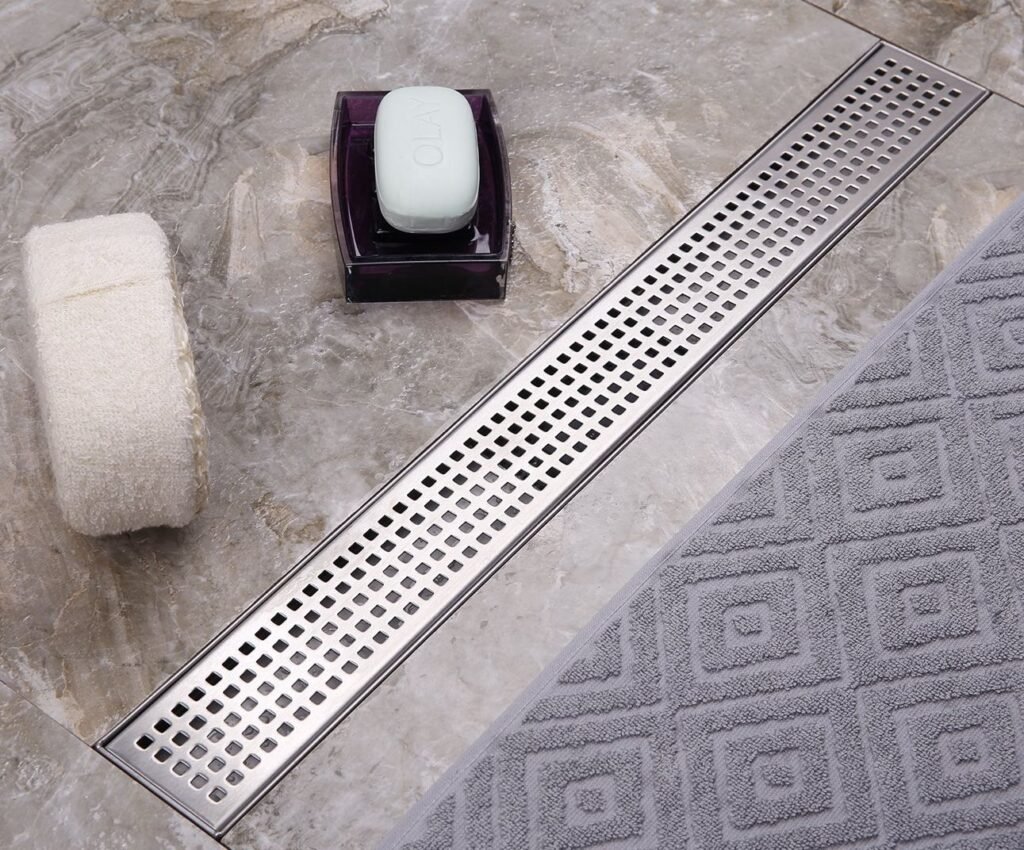
Learning how to keep a shower drain from clogging without a drain cover is easier than most people expect. A drain cover is a handy tool, but it is not the only way to stop clogs. With a few small habits, a little regular cleaning, and a better understanding of what actually causes blockages, you can keep water draining fast without ever fitting a cover over the drain.
Most shower clogs build up slowly. A few strands of hair here, a little soap scum there, and some body oil washed off in warm water gradually form a sticky mat inside the pipe. One day the water starts pooling around your feet, and by then the clog is already well established. The good news is that every stage of that buildup can be interrupted with simple, free actions that take only seconds.
Why Shower Drains Clog in the First Place
Understanding the cause makes prevention much simpler. Shower drains deal with a unique mix of debris that kitchen and bathroom sink drains do not face in the same quantities.
Hair is the main culprit
Every shower sheds hair. Long hair is the most obvious problem because strands tangle together, but short hair, beard trimmings, and pet hair washed off after a bath all contribute. On its own, hair passes through a drain fairly easily. The trouble starts when it catches on rough spots inside the pipe, on the drain grate screws, or on existing soap buildup. Once a few strands snag, they act like a net, catching everything else that flows past.
Soap scum acts like glue
Traditional bar soaps contain fats that react with minerals in hard water to form soap scum, a sticky white or gray film. This film coats the inside of pipes and gives hair something to stick to. Liquid body washes and shower gels tend to produce less scum, which is one reason switching products can noticeably slow clog formation.
Oils, conditioner, and skin cells add to the mix
Conditioner, hair masks, body oils, and shaving cream all leave residue. In warm water these products flow freely, but as they cool further down the pipe they thicken and cling to pipe walls. Dead skin cells and dirt washed off during a shower add bulk to the mixture. None of these substances cause a clog on their own, but together, over weeks and months, they narrow the pipe until water can no longer pass quickly.
Daily Habits That Stop Clogs Before They Start
Prevention works best when it becomes part of your routine rather than a chore you remember once a month. These habits cost nothing and take only moments.
Brush your hair before you shower
A quick brush before stepping into the shower removes loose hairs that would otherwise end up in the drain. This single habit can cut the amount of hair going down the drain by a surprising amount, especially for people with long or thick hair. It takes under a minute and also makes washing and conditioning easier, since there is less tangling to work through under the water.
Collect hair from the drain after every shower
When you finish showering, take a few seconds to pick up any visible hair sitting on or around the drain grate. Use a tissue or a small piece of toilet paper, drop it in the trash, and you are done. This is the closest free substitute for a drain cover: instead of a mesh catching hair before it enters the pipe, you are removing it before it has a chance to travel further down. If the drain has a removable grate, lift it once a week and clear anything caught underneath.
Rinse the drain with hot water at the end of your shower
Before you turn the water off, let hot water run directly into the drain for thirty seconds. Hot water helps dissolve soap residue and light oils while they are still soft, flushing them through before they cool and harden. This is not a cure for an existing clog, but as a daily habit it keeps the pipe walls cleaner and slows buildup.
Keep the shower floor clear of debris
Small things end up in shower drains: bits of packaging, cotton pads, bandage wrappers, and even small pieces of a crumbling bar of soap. Avoid rinsing anything but water, soap, shampoo, and conditioner down the drain. If you shave in the shower, rinse the razor into a cup and empty it in the trash rather than washing clippings straight down the drain, since short stiff hairs are excellent at snagging inside pipes.
Controlling Hair Without a Drain Cover
If you do not want a cover sitting on your shower floor, there are other ways to keep hair out of the pipe.
Use a shower cap on non-wash days
Not every shower needs to be a hair-washing shower. On days when you are just rinsing off, a shower cap keeps your hair dry and keeps loose strands out of the drain entirely. This is especially useful for people who shower twice a day or who exercise and rinse off frequently.
Tie long hair up before rinsing
If you are showering without washing your hair, tie it up in a bun or braid. Loose long hair sheds more when wet, and wet strands are heavier and more likely to stick to the drain grate. Keeping it contained reduces shedding and keeps the shower floor clearer.
Consider a removable drain strainer basket
A drain cover sits on top of the drain, but a small strainer basket fits inside the drain opening, below floor level. It catches hair before it enters the pipe, yet it is invisible during your shower and does not change how the shower feels underfoot. Emptying it takes seconds: lift it out, pull off the collected hair, and drop it back in. If even this feels like too much equipment, the manual hair-collection habit described above achieves the same result.
Trim and maintain hair regularly
Split ends and damaged hair shed more. Regular trims reduce breakage, which means fewer loose strands in the shower. This will not eliminate shedding entirely, since healthy hair sheds naturally, but it reduces the volume going down the drain over time.
A Simple Weekly and Monthly Cleaning Routine
Daily habits handle most of the problem, but a short routine keeps pipes in top condition. Set aside five minutes once a week and ten minutes once a month.
Weekly: clear the grate and flush the drain
Once a week, remove the drain grate if it lifts out, wipe away any hair and scum underneath it, and rinse it clean. Then pour a kettle of hot water slowly down the drain. Follow with a minute of hot water from the showerhead. This flushes away the soft residue that daily rinsing may have missed.
Monthly: a gentle baking soda and hot water clean
Once a month, pour half a cup of baking soda down the drain, followed by two cups of hot water. Let it sit for fifteen minutes, then flush with more hot water. Baking soda is mildly abrasive and helps break down light soap scum without damaging pipes. Avoid harsh chemical drain cleaners for routine maintenance: they can damage older pipes, harm septic systems, and create dangerous fumes, and they are unnecessary when the drain is still flowing well.
Every few months: check the drain’s condition
Look down into the drain with a flashlight. If you see a dark ring of buildup just below the surface, or if water is draining more slowly than it used to, the pipe may need a deeper clean. A plastic drain stick, a simple flexible tool with small barbs, can pull out hair clumps from the first stretch of pipe without chemicals or a plumber visit. Use it gently and never force it.
Product Choices That Reduce Clogs
What you use in the shower affects how fast clogs form.
- Liquid body wash instead of bar soap: liquid products generally leave less soap scum, which means less glue for hair to stick to.
- Lightweight conditioners: heavy, waxy conditioners and hair masks leave more residue. Use them less often, or rinse thoroughly with warm water afterward.
- Less product overall: using more shampoo or body wash than needed does not clean better, but it does send more residue down the drain. A coin-sized amount of shampoo is usually plenty.
- Clarifying rinses: an occasional rinse with diluted apple cider vinegar can help remove product buildup from hair, which in turn means less residue washing into the drain.
None of these changes require giving up products you love. Small swaps and smaller amounts are enough to make a measurable difference over months.
Pros and Cons of Skipping the Drain Cover
Going without a cover has real advantages, but it is worth knowing the trade-offs so you can compensate for them.
Advantages
Without a cover, water drains at full speed, since there is no mesh slowing the flow. The shower floor is easier to clean, with no cover to lift and scrub. There is nothing to trip over, nothing that shifts underfoot, and no cover to replace when it rusts or cracks. Showers also look cleaner, with the original drain grate visible as designed.
Disadvantages
The main downside is that more hair reaches the pipe, so your manual habits matter more. You need to be consistent about removing hair after showers and doing the weekly flush. In a household with several long-haired people or pets bathed in the shower, the workload is higher, and a hidden in-drain strainer basket may be a better compromise than relying on habits alone.
Mistakes to Avoid
Some common habits make clogs worse rather than better.
- Ignoring slow drainage: water pooling around your feet is an early warning, not a minor annoyance. Deal with it while the blockage is small.
- Using chemical drain cleaner as a first resort: harsh cleaners can damage pipes and often only punch a small hole through a clog, leaving most of it behind to regrow.
- Pouring grease or oil down the drain: body oils are unavoidable in small amounts, but never rinse cooking oil, hair oil treatments in large quantities, or wax down a shower drain.
- Flushing wipes or cotton products: even products labeled flushable do not break down quickly and can snag in pipes.
- Waiting for a complete blockage: a drain that is fully blocked is harder and more expensive to fix than one that is merely slow.
When to Call a Professional
Most shower clogs are preventable and fixable at home, but some situations need a plumber. Call one if water backs up into other drains, if you hear gurgling from nearby fixtures, if the same drain clogs repeatedly within days of clearing, or if you suspect tree roots or a damaged pipe. These are signs of a problem deeper in the plumbing system that surface habits cannot fix. For related bathroom drain issues, such as unpleasant smells coming from the drain, the advice in Stop a Shower Drain Smelling Without Harsh Chemicals pairs well with the prevention routine here.
FAQs
Can a shower drain stay clog-free without any cover at all?
Yes, as long as you replace the cover’s job with habits: removing visible hair after each shower, flushing with hot water, and doing a quick weekly clean. The cover only catches hair; doing that job manually works just as well.
How often should I clean a shower drain to prevent clogs?
Remove visible hair after every shower, flush with hot water weekly, and do a baking soda and hot water clean monthly. Households with several long-haired people may need the weekly flush twice a week.
Is baking soda safe for all shower drains?
Baking soda with hot water is gentle and safe for standard metal and plastic pipes, including homes with septic systems. Avoid harsh chemical cleaners for routine maintenance, as they can damage older pipes and seals.
Why does my shower drain clog even though I have short hair?
Short hair still clogs drains, especially when combined with soap scum and conditioner residue. Shaving in the shower, heavy hair products, and hard water all increase buildup regardless of hair length.
Does a water softener help prevent shower drain clogs?
Yes, indirectly. Soft water produces less soap scum, so there is less sticky residue for hair to cling to inside the pipes. It will not stop hair clogs on its own, but it slows the overall buildup.
What should I do if water already pools around my feet?
Start with the simplest fixes: clear visible hair from the grate, try a plastic drain stick to pull out clumps near the surface, and flush with hot water. If drainage does not improve, the clog may be deeper, and a plumber or a drain snake may be needed.