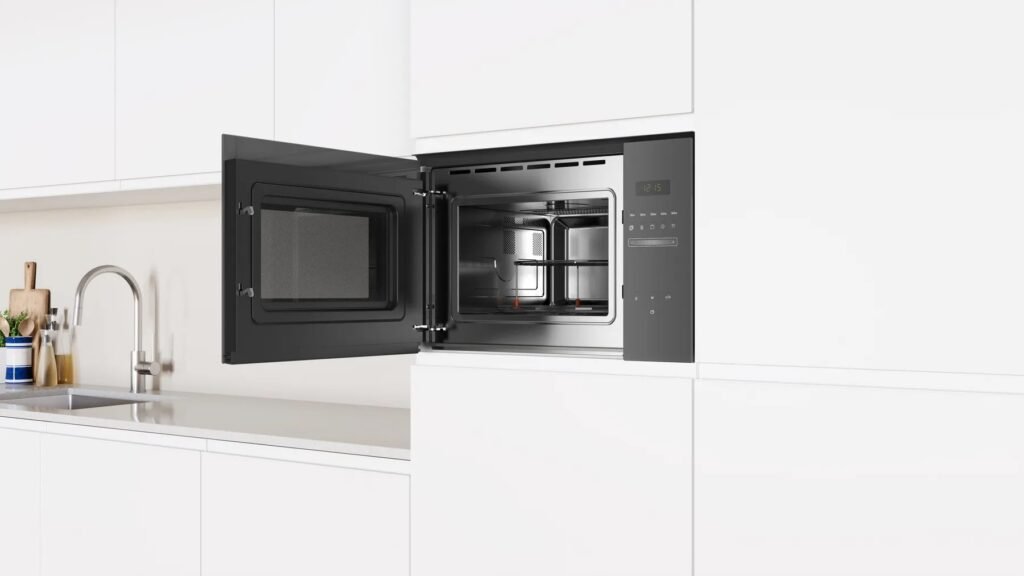
Learning how to clean a microwave without vinegar or lemon is simple once you know that steam does most of the work for you. Many cleaning guides rely on vinegar or lemon, but you may not have them in the cupboard, you may dislike the strong smell, or you may simply prefer a gentler approach. Plain water, dish soap, and baking soda are more than enough to cut grease, soften stuck-on food, and freshen the inside of a microwave. The trick is to loosen grime with steam first, then wipe it away, rather than scrubbing at dried-on splatters. This guide covers the full process step by step, from a quick daily wipe to a deep clean for a neglected microwave, plus how to remove stubborn odors and keep the appliance clean with minimal effort.
Why Microwaves Get So Dirty So Fast
A microwave cooks by heating food quickly, and that speed is exactly why mess builds up. Soups bubble over, sauces splatter, and cheese melts onto the ceiling, all inside a small enclosed box where heat bakes residue onto the walls. Because the door closes and the mess is hidden, it is easy to ignore a few splatters until they harden into a crusty layer. Each new use adds another layer, and reheated food picks up stale smells from old residue, which can affect taste. Grease is the worst offender because it does not dissolve in cold water and it clings to the smooth interior coating. Sugary spills, such as jam or tomato sauce, harden into a stubborn crust when heated repeatedly. The good news is that microwave interiors are designed with a smooth, wipeable coating, so most grime sits on the surface rather than soaking in. With the right loosening step, even a badly neglected microwave usually cleans up without harsh chemicals or heavy scrubbing.
Before You Clean: Safety and Preparation
Start with a few safety basics. Unplug the microwave before cleaning the exterior or wiping around the door seals, and never spray water or cleaner directly into vents, hinges, or the control panel. Water inside vents can damage electrical parts, so always apply cleaning liquid to a cloth rather than spraying it into the machine. Remove the glass turntable and the roller ring underneath it, since both collect spills and are much easier to wash in the sink. Check the interior for any damaged coating or peeling paint; if the inside coating is flaking, avoid aggressive scrubbing in that area and consider having the appliance checked, since damaged interiors should not be ignored. Gather your supplies: a microwave-safe bowl or large measuring jug, plain dish soap, baking soda, a soft sponge, a microfiber cloth, and an old toothbrush for edges and corners. Avoid steel wool, scouring pads, and oven cleaner, all of which can scratch the interior coating and make future cleaning harder.
Method 1: Plain Water Steam Cleaning
Plain water steam is the simplest and gentlest way to clean a microwave, and it handles most everyday mess surprisingly well. Fill a microwave-safe bowl or jug with about two cups of water and place it in the center of the microwave. Heat it on high for three to five minutes, until the water is steaming strongly and the interior walls are covered in condensation. Do not open the door immediately; let the microwave stand closed for another five minutes so the steam can work on dried-on food. The steam softens splatters and loosens grease, turning a scrubbing job into a wiping job. Open the door carefully, since the bowl and the steam will be hot, and remove the bowl with oven mitts. Wipe the ceiling, walls, floor, and door interior with a soft cloth or sponge, working from top to bottom so loosened grime does not drip onto areas you have already cleaned. Rinse the cloth often in warm water. For a lightly soiled microwave, this single step may be all you need, and it uses nothing but water.
Method 2: Dish Soap Steam for Greasy Interiors
When steam alone leaves a greasy film behind, dish soap adds the cutting power needed for oily residue. Add a few drops of plain dish soap to a bowl of water and stir gently, avoiding a mountain of suds. Heat the mixture for three to five minutes until it steams well, then let it stand closed for five minutes as before. The soapy steam coats the interior and breaks down grease, making it easy to wipe away. Remove the bowl carefully, then wipe all interior surfaces with a soft sponge dampened in warm water. For thicker grease near the ceiling or around the door, apply a drop of dish soap directly to the sponge and wipe again. Follow with a clean, damp cloth to remove all soap residue, since leftover soap can smell when heated and can affect the taste of food. Dry the interior with a towel or leave the door open for a few minutes to air out. This method is safe for nearly every microwave interior, it costs almost nothing, and it is the best choice for regular weekly cleaning.
Method 3: Baking Soda Paste for Stuck-On Food
Some spills harden into crusts that steam alone cannot lift, especially sugary sauces and melted cheese that have been reheated several times. Baking soda paste handles these spots without scratching the interior. Mix about three tablespoons of baking soda with just enough water to form a thick, spreadable paste. After a steam session has softened the worst of the grime, spread the paste directly onto the remaining stuck spots and let it sit for ten to fifteen minutes. Baking soda is a mild abrasive, so it scrubs away crust without damaging the smooth coating, and it also neutralizes odors. Scrub gently in small circles with a soft sponge, then wipe away the paste with a clean, damp cloth. Repeat on any spot that still resists rather than pressing harder, since patience protects the coating. Finish by wiping the whole interior with a damp cloth to remove every trace of paste, and dry with a towel. This method is especially useful for the ceiling, where splatters bake on hardest and are easy to miss.
Cleaning the Turntable, Roller Ring, and Door
The turntable and roller ring collect more grime than most people realize, and cleaning them separately makes the whole job easier. Wash the glass turntable in warm, soapy water in the sink, using a soft sponge, and dry it fully before returning it. If food is baked onto the glass, soak it for fifteen minutes first and the residue will usually wipe off. Wash the roller ring the same way, and wipe the circular track underneath it inside the microwave, since crumbs and grease gather there and can make the turntable wobble or stick. For the door, wipe the inner window with a damp cloth and a drop of dish soap, then dry it with a microfiber cloth to avoid streaks. Clean the door seals carefully with a soft, damp cloth, removing any food trapped in the folds, because clean seals close properly and keep steam inside during cooking. An old toothbrush helps reach the hinge area and the corners of the door frame. Avoid getting the control panel wet; wipe it with a barely damp cloth and dry it immediately, and never use a dripping sponge near buttons or displays.
Removing Stubborn Odors Without Lemon or Vinegar
Lingering smells from fish, popcorn, curry, or burnt food can outlast visible cleaning, but baking soda handles odors well without any citrus or vinegar. After cleaning, place a small open bowl of baking soda inside the microwave, close the door, and leave it overnight. Baking soda absorbs odors from the air inside the cavity, and the smell is usually much fainter by morning. For a faster approach, heat a bowl of water with two tablespoons of baking soda dissolved in it for three minutes, let it stand for ten minutes, then wipe the interior and leave the door open for half an hour to air out. Vanilla extract is another gentle option: add a teaspoon to a bowl of water, heat it briefly until it steams, and let the pleasant scent replace the stale one. If an odor survives both approaches, repeat the full clean, paying attention to the ceiling and the door seals, since odor-causing residue often hides there. Avoid covering smells with strong air fresheners sprayed inside the microwave, since those chemicals are not meant to be heated with food.
Mistakes to Avoid When Cleaning a Microwave
Several common mistakes can damage a microwave or make cleaning harder. Never run the microwave empty to dry it or to burn off residue, since running without food or water inside can damage the magnetron, the part that generates microwaves. Never use oven cleaner, bleach, or abrasive scouring pads inside a microwave; these products can damage the interior coating, leave harmful residues, and affect food safety. Avoid spraying cleaner directly onto the interior walls or into vents, which can push liquid into electrical components. Do not scrub a peeling or damaged interior coating aggressively, and do not ignore flaking paint inside the cavity. Another mistake is cleaning only the floor and walls while ignoring the ceiling, where the worst splatters collect. Finally, avoid putting the glass turntable straight from a hot microwave into cold water, since sudden temperature changes can crack glass. Let the turntable cool for a few minutes before washing it, and let it dry fully before putting it back.
Keeping Your Microwave Clean With Less Effort
A few small habits prevent the heavy buildup that makes deep cleaning necessary. Cover food with a microwave-safe cover or a paper towel while heating, especially soups, sauces, and anything that bubbles. This single habit stops most splatters before they happen. Wipe up spills immediately after cooking, while they are still soft, rather than letting them bake on during the next use. A quick wipe of the interior once a week with a damp cloth takes less than a minute and stops grime from layering. Keep the turntable clean by washing it whenever you notice spills, and leave the door open for a few minutes after cooking strong-smelling food so steam and odors escape. Stir or pause halfway through heating liquids and sauces to prevent boil-overs. If you heat food in stages, use a lower power setting for a longer time, which reduces violent bubbling. These habits are small, but together they mean your microwave rarely needs more than a steam clean.
Which Method Should You Use?
Choose the method that matches the level of mess. Plain water steam is enough for light, fresh splatters and for a quick weekly freshening, and it is the gentlest option of all. Dish soap steam is the best regular cleaner for greasy interiors and for microwaves used daily, since it cuts oil without any scrubbing. Baking soda paste is the right choice for hardened, stuck-on food and for ceilings with baked-on splatters, and it doubles as an odor neutralizer. For a neglected microwave, use the methods in sequence: steam first, then dish soap steam if grease remains, then baking soda paste on the spots that still resist. Judge the result after the interior is dry, since wet surfaces hide faint residue. If a stain survives all three methods, it may be discoloration of the coating itself rather than surface grime, and further scrubbing risks damage. At that point, a clean, sanitized surface matters more than a perfect appearance, and regular maintenance will stop it from getting worse.
Deep Cleaning a Neglected Microwave
A microwave that has not been cleaned for a long time needs a slower, layered approach rather than one aggressive scrub. Start with a long steam session: heat a large bowl of soapy water for five minutes and let it stand closed for ten minutes, giving steam extra time to soften hardened layers. Wipe away everything that comes off easily, then repeat the steam session a second time for the remaining crust. Next, apply baking soda paste to the stubborn spots and leave it for twenty minutes instead of the usual ten, checking that the paste stays damp. Scrub gently with a soft sponge, rinse the sponge often, and repeat the paste on any spot that still resists. Clean the turntable track and door seals carefully, since neglected microwaves collect thick grime in those hidden areas. Finish with a clean-water wipe of every surface and leave the door open until the interior is fully dry. Working in layers protects the coating and usually restores even a badly neglected microwave without harsh chemicals.
Frequently Asked Questions
Can I clean a microwave with just water?
Yes, for light mess, plain water steam softens splatters enough to wipe them away. Fill a microwave-safe bowl with water, heat it until steaming, let it stand closed for five minutes, then wipe the interior with a soft cloth.
Is baking soda safe inside a microwave?
Yes, baking soda is safe for microwave interiors when used as a paste or dissolved in water. It is a mild abrasive and a natural odor neutralizer. Wipe away all residue afterward so no paste remains when you cook.
How often should I clean my microwave?
Wipe spills immediately, give the interior a quick wipe once a week, and do a full steam clean every few weeks or whenever you notice grease or odors. Covering food while heating greatly reduces how often deep cleaning is needed.
Why does my microwave still smell after cleaning?
Odors often hide on the ceiling or in door seals, where residue is easy to miss. Repeat the clean paying attention to those areas, leave a bowl of baking soda inside overnight, and air the microwave with the door open.
Can I wash the turntable in the dishwasher?
Most glass turntables are dishwasher safe, but check the manual for your model first. Washing by hand in warm, soapy water is always safe, and soaking baked-on food for fifteen minutes makes hand washing easy.
What should I never use inside a microwave?
Never use oven cleaner, bleach, steel wool, or scouring pads inside a microwave. These damage the interior coating and can leave residues that are unsafe around food. Stick to water, dish soap, and baking soda.