
When a minister says national security is non-negotiable, you know the conversation has moved far beyond megawatts and dams.
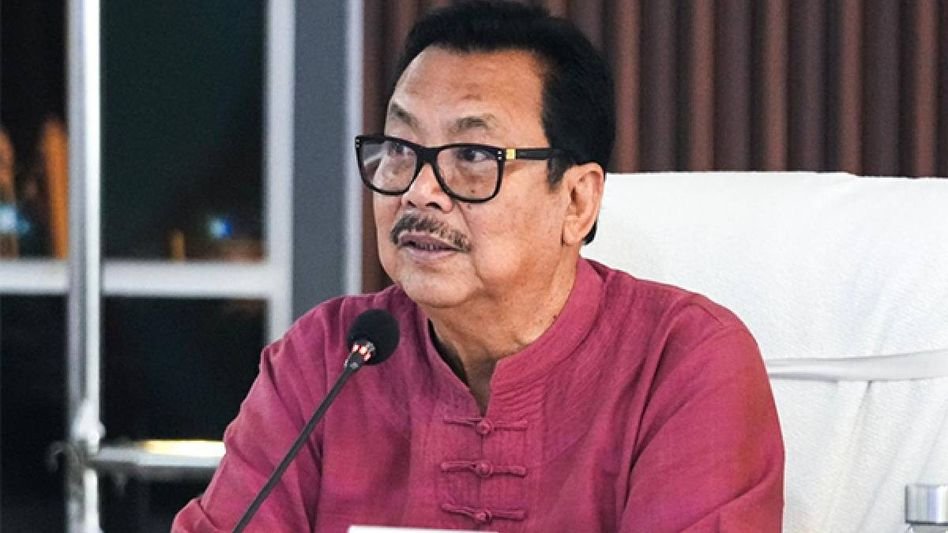
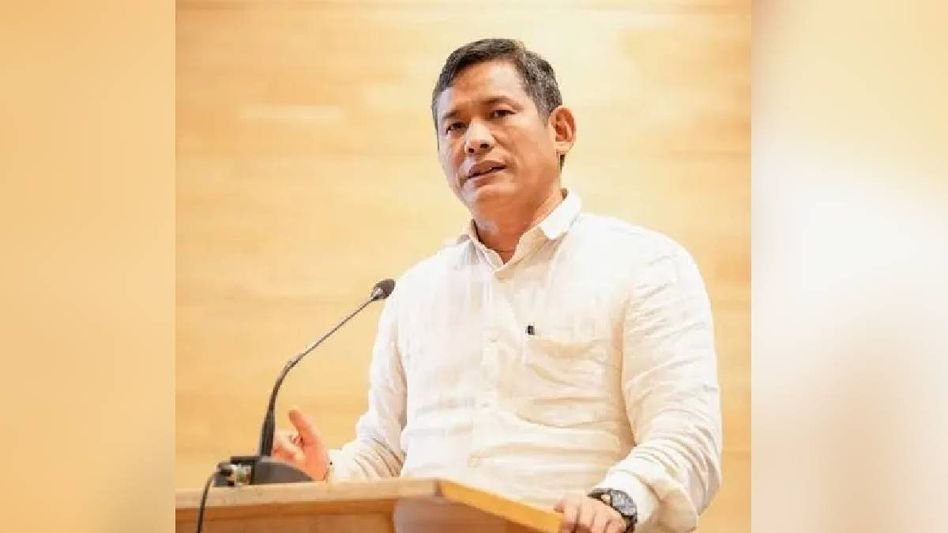
The battle lines over the proposed 11,000-MW Siang Upper Multipurpose Project are getting sharper. On Sunday, October 4, Arunachal Pradesh minister Ojing Tasing came out swinging in support of the contentious project, making it absolutely clear that neither he nor the state government intends to back down — not when national security is on the table.
“National security is a central subject, and the state government has no say in such matters. The state cannot compromise on issues concerning national security,” Tasing said, in remarks that carry significant weight given the project’s location — a region that shares its border with China.
Tasing, who represents the Pangin Assembly constituency in Siang district and knows this terrain — both geographically and politically — framed the project as something much larger than a hydropower venture. He said the proposed dam is crucial not just for power generation, but also for border security and flood moderation. That last point is particularly telling. China has been actively building infrastructure upstream along the Yarlung Tsangpo, the river that enters India as the Siang. The fear that Beijing could one day manipulate water flow downstream is not a conspiracy theory — it’s a strategic concern that Indian defence planners have raised repeatedly in recent years. Seen in that light, Tasing’s remarks land very differently than a routine government statement.
And yet, the ground reality in the Siang belt is far from settled.
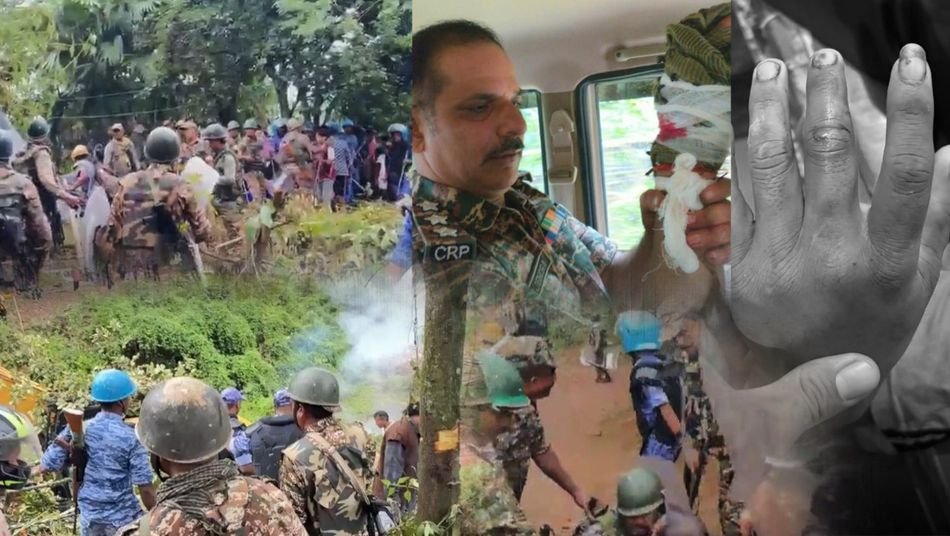
The indigenous Adi community, which inhabits much of this region, has been at the forefront of sustained opposition to the project. The Siang Indigenous Farmers’ Forum (SIFF) and several allied protest groups have raised serious alarms — ecological disruption, the seismic fragility of the region, the possible displacement of over 25 village settlements, and the potential loss of fertile agricultural land in the Siang valley. These are not small concerns. The Siang is a living, breathing part of Adi identity. For communities whose livelihoods and ancestral roots are woven into this landscape, the idea of a massive dam is deeply personal.
But the minister pushed back on the narrative that local communities are uniformly opposed. Tasing claimed that over 80 per cent of people in villages likely to be affected by the project are actually in favour of its implementation. That’s a figure that will be contested, and probably should be — but it signals that the government believes it has enough local support to push forward.
Siang Deputy Commissioner Tayi Taggu also weighed in, appealing to residents to cooperate with the government while attempting to address concerns about the project’s footprint. Taggu said the physical impact on village settlements in Siang district would be minimal, though he acknowledged that some areas — including Geku and Yingkiong in Upper Siang district — could be affected. He specifically mentioned that structures in areas like Parong and Sitang that could potentially be impacted accounted for only about 10 to 15 per cent, and clarified that most of these were commercial establishments or temporary business structures rather than ancestral homes.
That’s a nuanced distinction, and an important one. People tolerate displacement differently depending on what exactly is being displaced.
Taggu went further, claiming that over 90 per cent of residents in villages including Parong, Riga, Riew, Pangkang (Kumku), Jorkong and Sitang were in favour of the project. He added that memoranda of understanding for pre-feasibility activities had already been signed. The message from the administration was clear — the opposition, while vocal, does not represent the democratic majority on the ground.
Whether that framing holds up under scrutiny remains to be seen. Opposition groups have consistently disputed government claims about community support, and on matters affecting indigenous land and identity, numbers on paper don’t always tell the full story.
What makes this moment particularly interesting is the position taken by Chief Minister Pema Khandu just days earlier, on September 29. Khandu said the project would not be taken forward if experts determined it to be technically unviable after the completion of the Preliminary Feasibility Report. That was a notable hedge — suggesting the government is keeping one foot in the door of technical rationality even as ministers like Tasing plant the security flag firmly into the ground.
The NHPC Limited, tasked with executing the project, has still not completed that feasibility assessment. Until it does, the Siang project remains exactly what it has been for years — a flashpoint where development ambition, indigenous rights, environmental fragility, and geopolitical calculations collide in ways that don’t lend themselves to easy answers.
The Siang valley has seen rivers of debate, protest marches, and government assurances. What it hasn’t seen yet is a resolution that satisfies all sides. And with China continuing to build upstream, and New Delhi watching closely, the pressure on Arunachal Pradesh to make a definitive call is only going to intensify.
Minister Tasing may say the state cannot compromise. But the bigger question the Siang valley demands is — who decides what compromise actually looks like, and who gets left behind when the dam gates close?