
The government insists the massive dam is about water control, not electricity. But with China looming large upstream and local communities pushing back hard, the debate around Siang is far from over.
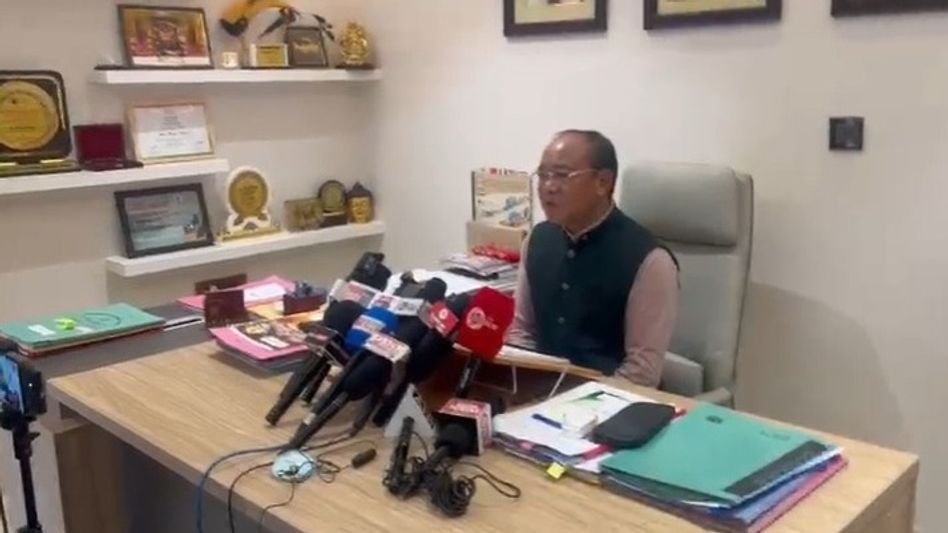
When a government official says a proposed 11,200-megawatt hydroelectric project is not really about power generation, it makes you stop and think. And that is exactly what Arunachal Pradesh Deputy Chief Minister Chowna Mein did on Monday — he looked the public in the eye and said electricity is not the point.
The project in question is the Siang Upper Multipurpose Project, known as SUMP. It has been a slow-burning controversy in the region for a while now. Communities along the Siang river are angry. Protests are ongoing. Demands are piling up. But the state government is standing its ground, and Mein stepped forward on October 5 to articulate a case that reframes the entire conversation — away from megawatts and toward something far more urgent: water.
“Power generation is secondary,” Mein said. The statement carries real weight when you understand what he is actually pointing at.
The Shadow of China’s Monster Dam
Here is the thing you cannot talk about SUMP without mentioning — China. Right upstream, across the border in Tibet, China is building what could become the single largest hydropower project in the history of the world. The Medog hydropower project, sitting on the Yarlung Tsangpo — the same river that enters India and becomes the Siang — is projected to generate a staggering 60,000 megawatts. That is roughly six times India’s largest existing dam. It has a head of around 2,000 metres and a storage capacity of about 5.5 billion cubic metres.
Mein was careful to draw the comparison clearly. China’s Medog, he said, is designed with one goal in mind: hydropower generation. SUMP is something else entirely. It is proposed to have a dam 280 to 300 metres high and a live storage capacity of around 9.2 billion cubic metres — significantly more than Medog’s storage. That extra storage is not just a number. In real terms, it is the difference between a river that can be managed and one that cannot.
What keeps planners and communities awake at night is what happens when China opens the floodgates — literally. If large volumes of water are suddenly discharged from upstream, the Siang valley in Arunachal and the plains of Assam downstream could face catastrophic flooding. A large Indian storage reservoir could absorb that shock. It could buy time. It could save lives. That is Mein’s core argument, and it is a serious one.
“Such storage can help regulate downstream discharge and reduce the risk of flooding in the Siang basin and downstream areas of Arunachal Pradesh and Assam,” he said.
Local Communities Are Not Convinced
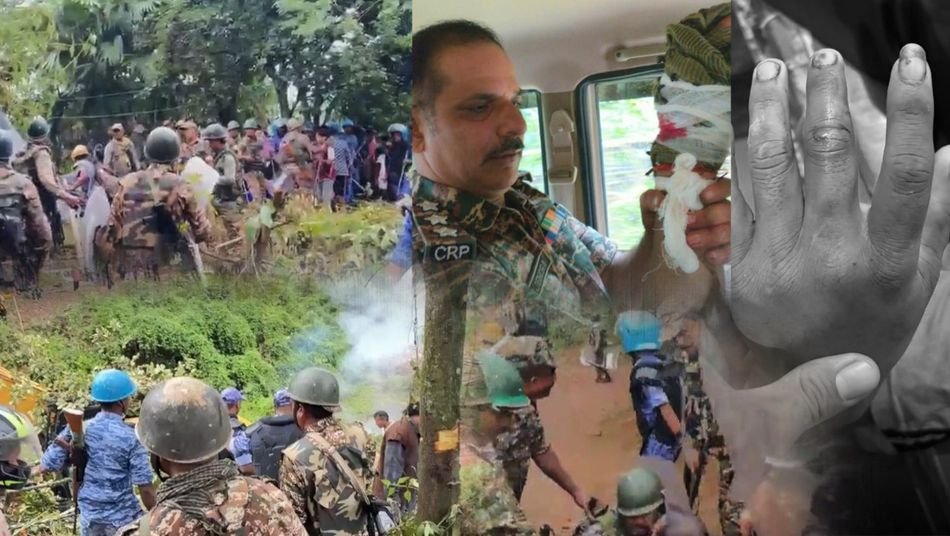
None of that, however, has softened the anger in the Siang region. Communities there have been protesting consistently and are demanding that the ongoing Pre-Feasibility Report survey work be halted immediately. They have also called for the withdrawal of security personnel deployed in areas that fall within the project’s potential impact zone.
The optics of having security forces present during survey work is, to put it mildly, not a great look for a project the government insists is for the people’s benefit. It feeds a suspicion that decisions have already been made at the top and that the local population is simply being managed rather than consulted.
The state government pushes back on this. Officials have argued that the project will bring economic development, create jobs and self-employment opportunities for youth, and strengthen both water and energy security for the region. These are not small promises. Arunachal Pradesh remains one of India’s least developed states despite its enormous natural resource wealth, and large infrastructure projects have historically promised transformation — even when delivery has been complicated.
NHPC, Feasibility, and a Long Road Ahead
SUMP, if it ever gets built, would be executed by the National Hydroelectric Power Corporation — NHPC. That is still a very significant “if.” Mein himself was clear on this point: no final decision has been made. The current Pre-Feasibility Report is only the first step — an initial assessment to determine whether the project is even technically doable and whether it can be developed safely.
After that comes round after round of studies, public consultations, environmental impact assessments, and a thicket of statutory clearances. Hydropower projects in India’s northeastern Himalayan region are notoriously complex. Ecological sensitivities, seismic risks, community rights, and geopolitical dimensions all pile on top of each other. This is not something that gets rubber-stamped in a hurry.
Mein also said the project should be understood as fundamentally about protecting the Siang river basin and the communities who live along its tributaries — a framing that is almost the inverse of how critics see it.
There is something almost poetic and painful about this debate. A river that originates on the Tibetan plateau, travels through some of the most breathtaking terrain on earth, and sustains the livelihoods and identities of entire communities is now at the centre of a geopolitical chess match neither side fully controls. China is building. India is studying. The river keeps flowing.
What happens in that space between a pre-feasibility report and actual shovels in the ground may shape the future of the Siang valley for generations. The people who live there deserve a real seat at that table — not just a government press release telling them it is all for their own good.