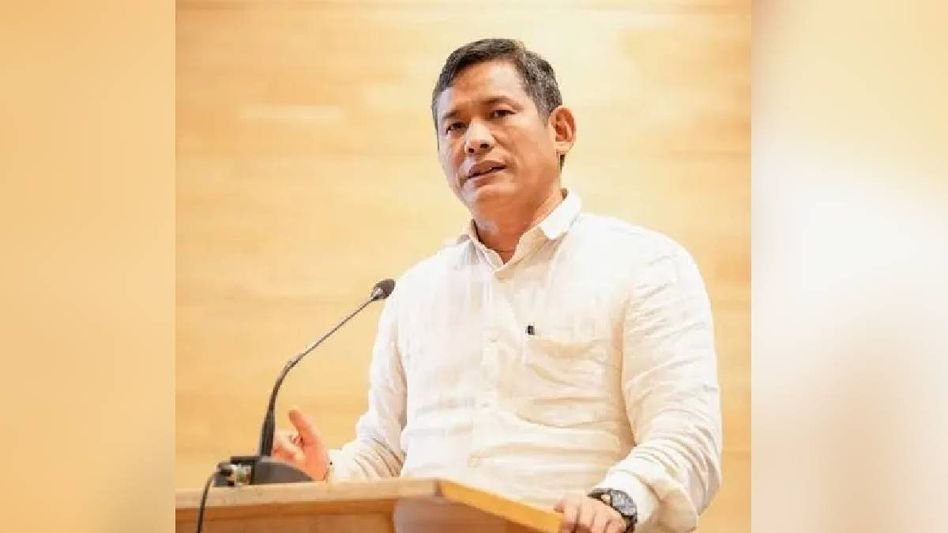

There’s a quiet urgency behind the letters that Arunachal Pradesh Civil Aviation Minister Balo Raja penned this week — and anyone who has ever tried to catch a flight out of Itanagar will know exactly why.
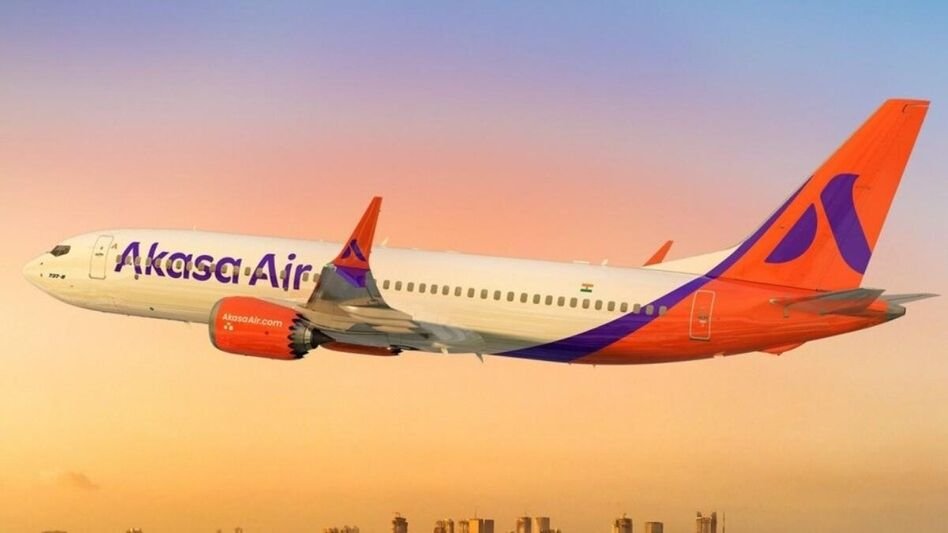
Raja has written separate letters to the chief executives of Akasa Air and Alliance Air, urging both airlines to seriously consider expanding their flight operations into and out of the state capital. The ask is simple, but the need is anything but.
At the heart of this push is a worrying gap that’s about to get wider. IndiGo, which currently runs a direct Itanagar-Kolkata service, is reportedly planning to drop that route once it introduces a new Itanagar-Guwahati-Kolkata sector from October. For the thousands of passengers — students heading to colleges, patients chasing specialists, businesspeople trying to close deals — who rely on that direct link to Kolkata, the change could mean hours of extra travel time and serious inconvenience.
Raja isn’t waiting around for someone else to solve this. In his letter to Akasa Air’s CEO, he made a pointed pitch: a direct Itanagar-Kolkata flight, with connecting services extending further south to Bengaluru, Chennai, and Hyderabad. It’s a route that would essentially plug the hole IndiGo might leave behind, while also opening Arunachal up to India’s major southern metros — markets that have long been out of easy reach for residents of the state.
His letter to Alliance Air had a different flavour, but the same urgency. Raja urged the airline to look at the viability of deploying its ATR 72 aircraft on an Itanagar-Kolkata route. But he went further than that — he also floated the idea of Alliance Air using its smaller Dornier aircraft to connect some of Arunachal’s most remote corners: Ziro, Tuting, Anini, Pasighat, and Tezu. These aren’t glamorous destinations on any airline’s expansion radar, but they are real places where real people live, often cut off from the rest of the country for days when weather or road conditions turn nasty.
And here’s the thing that strengthens Raja’s case — the infrastructure is already there. Operational airports and Advanced Landing Grounds (ALGs) exist across these areas. This isn’t a request to build something from scratch. The runways exist. The ground is ready. What’s missing is the willingness of airlines to show up.
The minister has been direct about who this is really for — students, patients, government officials, tourists, and traders who call Arunachal Pradesh home. For many of them, a reliable flight isn’t a luxury; it’s the difference between getting urgent medical care in time or not. That’s a weight that doesn’t show up in airline balance sheets, but it’s very real.
With IndiGo’s proposed restructuring in the background, Raja’s timing is deliberate. He’s essentially making the case that Arunachal’s connectivity cannot be left to commercial whims alone — that better air links to Assam’s urban hubs and Kolkata are a necessity for the state’s growth, for its border regions, and for its people.
Both Akasa Air and Alliance Air have now received the call. Whether they answer it is a different matter entirely — but one thing is clear: Arunachal Pradesh is done quietly waiting at the back of the queue.