
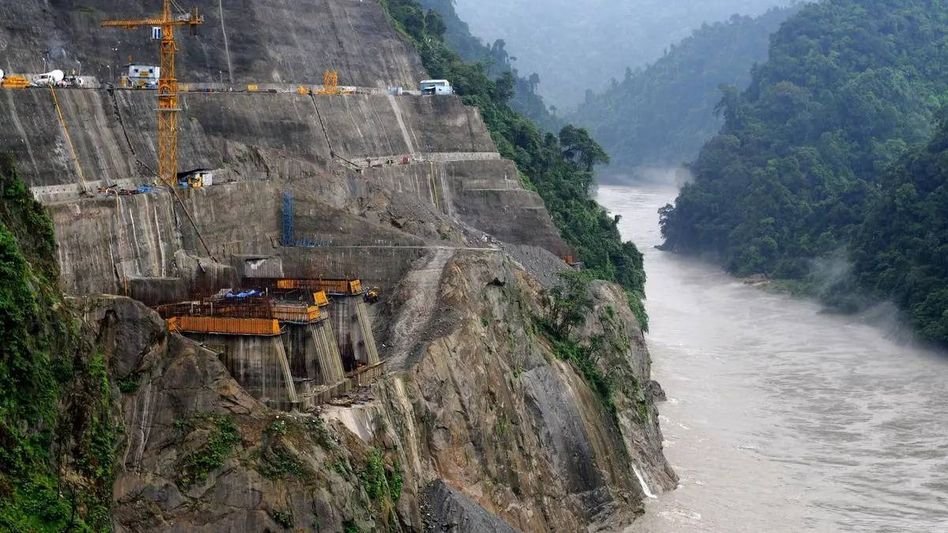
The Arunachal Pradesh government just made a move to fast-track one of the most controversial infrastructure projects in the state’s history — and it’s already stirring up fresh friction.
The state Cabinet, on September 24, gave its approval to form an empowered high-level committee that will guide and coordinate the pre-feasibility report (PFR) survey for the proposed Siang Upper Multipurpose Project (SUMP) in Siang and Upper Siang districts. The decision came from a Cabinet meeting chaired by Chief Minister Pema Khandu, and the government was quick to frame it as a step toward a smoother, more inclusive process. Whether affected communities see it that way is a different story entirely.
The committee will be headed by Rural Development and Panchayati Raj Minister Ojing Tasing, with CM’s Advisor and Tuting-Yingkiong MLA Alo Libang and Geku-Mariyang MLA Oni Panyang rounding out the panel as members. On paper, it sounds like the government is pulling senior figures in to lend the process weight and legitimacy. On the ground, many people in the Siang valley have a very different reading of what’s happening.
The government’s position has always leaned heavily on the project’s scale and national importance. The Cabinet pointed out that SUMP was declared a National Project by the Centre back in 2008, and argued that it could strengthen water and energy security, moderate the recurring floods that batter the Siang-Brahmaputra basin, generate local employment, and contribute to the long-term development of the region. Those are real benefits, no one disputes that. But development, as this region knows well, often comes with a price that isn’t paid by the people making the decisions.
The Cabinet acknowledged concerns among some residents in Siang and Upper Siang, attributing a portion of the opposition to what it called misinformation and disinformation about the project. That framing will likely not sit well with many villagers who feel their objections have been genuine, well-reasoned, and consistently overlooked. The government said it wants meaningful and continuous engagement with residents and stressed that the voices, welfare and aspirations of project-affected families and local communities would remain central to the process. It’s a carefully worded commitment — time will tell how seriously it’s kept.
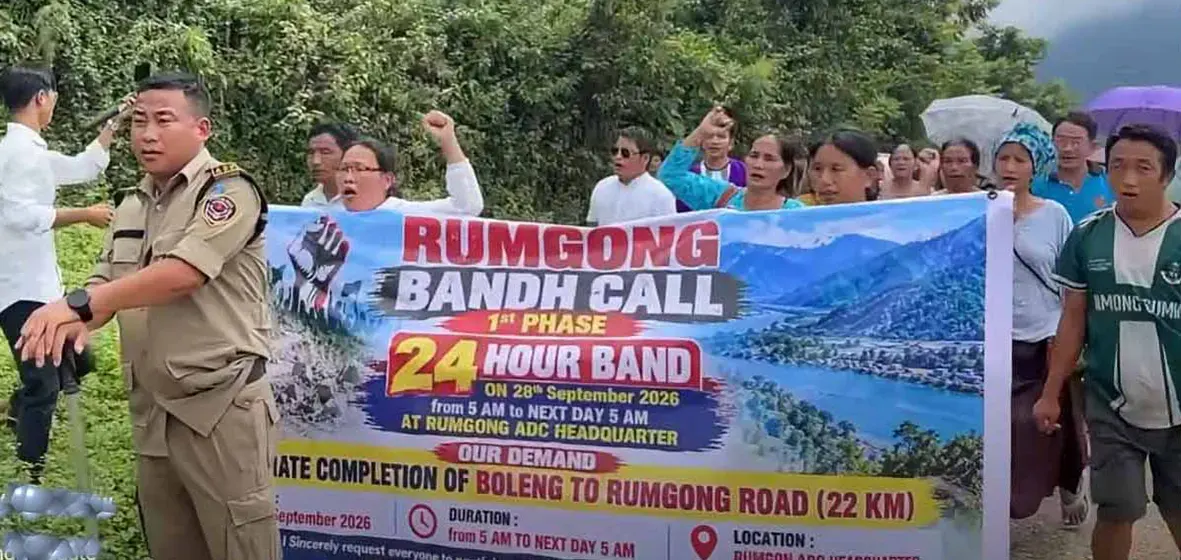
The protest situation on the ground is real and growing. Villagers in Komkar and surrounding areas recently pushed back against proposed PFR activities at Uggeng, one of the identified dam sites, with residents raising concerns over drilling, land and livelihood issues and the manner in which survey-related agreements were reached. People here aren’t just worried about paperwork — they’re worried about their homes, their farmland, the river their ancestors depended on.
The Adi Bané Kébang United (ABKU) has gone a step further, demanding that the proposed project be scrapped entirely and the PFR work stopped immediately. That’s not a moderate ask. It signals how deep the distrust runs between sections of the community and the state machinery pushing this project forward.
Community groups have raised concerns over possible displacement, environmental impacts and the protection of indigenous rights — concerns that have defined debates over big dams in the Northeast for decades. The Siang River isn’t just a water body. For the Adi people and others living along its banks, it is identity, livelihood, and memory.
The new high-level committee gives the government a structure to work with. But structures don’t automatically build trust. If the Arunachal Cabinet is serious about a people-centric approach, the real test won’t be in meeting rooms in Itanagar — it will be in how honestly it listens to the people who have most to lose when the bulldozers arrive.