
They’ve had enough. The Adi Bane Kebang-United (ABK-U), the apex body of the Adi community in Arunachal Pradesh, has made its position crystal clear — the proposed Siang Upper Multipurpose Project (SUMP) must go. Not be reviewed. Not be paused. Gone.
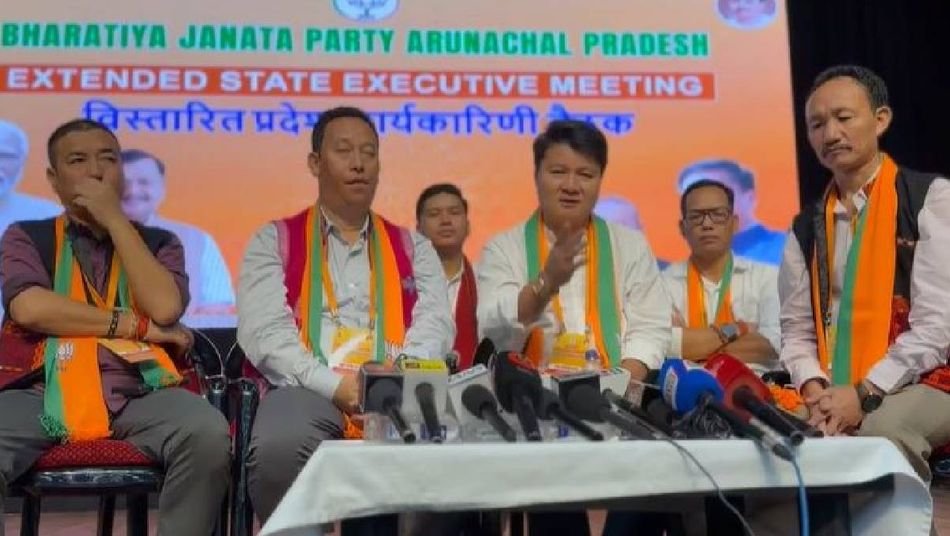
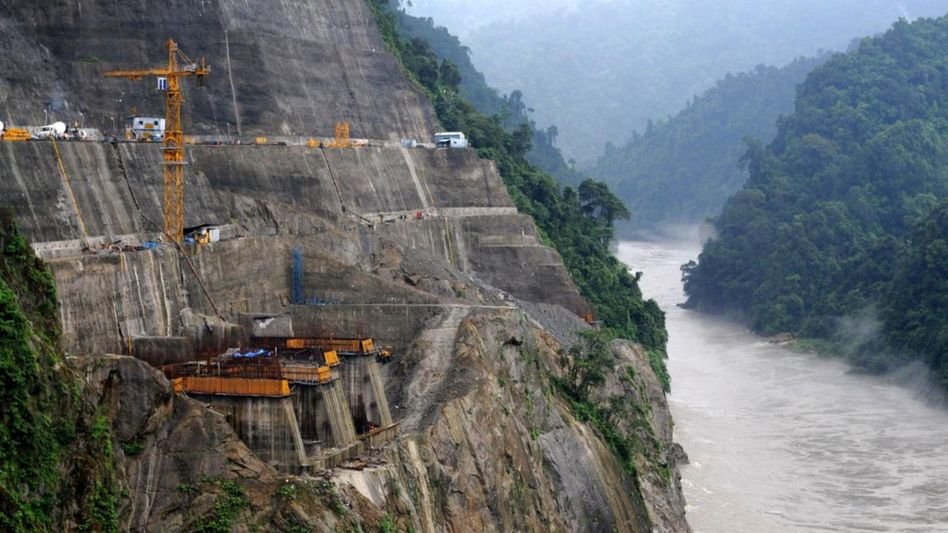
At a press conference held at the Arunachal Press Club in Itanagar on Tuesday, ABK-U president Thomas Borang laid out the community’s demands without mincing words. The organisation wants the state government to immediately scrap the 11,000 MW mega storage project, warning authorities against hiding behind the language of “national interest” to push through a project that, according to them, could devastate Adi-inhabited lands for generations.
The build-up to this moment has been simmering for a while. On September 16, a consultative meeting of the Adi community held at Geku in Upper Siang adopted a four-point resolution — scrap the SUMP proposal, cancel all agreements tied to the project’s pre-feasibility report (PFR), pull back excess security forces deployed in Siang and Upper Siang districts, and reinstate the village heads who were allegedly suspended for opposing the project. That last point is particularly telling. When community leaders start getting suspended for speaking up, you know the situation on the ground is more tense than official statements suggest.
The ABK-U’s grievances run deep. The organisation has raised alarms over the possible submergence of villages, agricultural land, and historical sites if the project moves forward. Areas like Yingkiong — the headquarters of Upper Siang district — along with Geku and several other villages could face flooding. Agricultural lands on both banks of the Siang river and its tributaries may go under. These aren’t just statistics on a project document. For the Adi people, this is home.
Borang also raised a troubling allegation — that some community members were persuaded to sign memoranda of understanding in favour of the project in exchange for benefits like poultry farming support and fruit gardens. It’s the kind of detail that raises serious questions about how “consent” was being gathered on the ground.
A formal memorandum was submitted to Chief Minister Pema Khandu on Monday, urging a complete halt to all PFR-related activities and insisting that the project cannot move forward without the free, prior, and informed consent of indigenous communities. The ABK-U also flagged ecological and seismic risks in the Himalayan region, warning about the potential ripple effects on downstream communities.
To be fair, the ABK-U was careful to clarify something important — they are not against dams in principle. Their objection is specifically to a mega storage project of this particular scale, in this particular landscape, without proper community consultation.
Chief Minister Pema Khandu responded after his own consultative meeting on Monday, calling the SUMP a matter of national importance while acknowledging that people must be brought on board. “Ultimately, it is a national project, but the public is the owner. It is the land’s owner. It is very important to take them on board,” Khandu told reporters. He also promised more awareness programmes and invited those with concerns to approach the government.
Good intentions. But for a community being asked to risk their villages, their farmlands, and their cultural memory for a dam, awareness programmes may feel like too little, too late.
When a people are willing to take this public a stand — demanding withdrawal of security forces, calling out alleged manipulation, and backing village leaders who lost their positions for speaking up — the government would do well to listen. Really listen. Not just hold meetings.