
A verification exercise meant to clean up voter rolls turned ugly in Changlang district — and now Arunachal’s most prominent student body is speaking out.
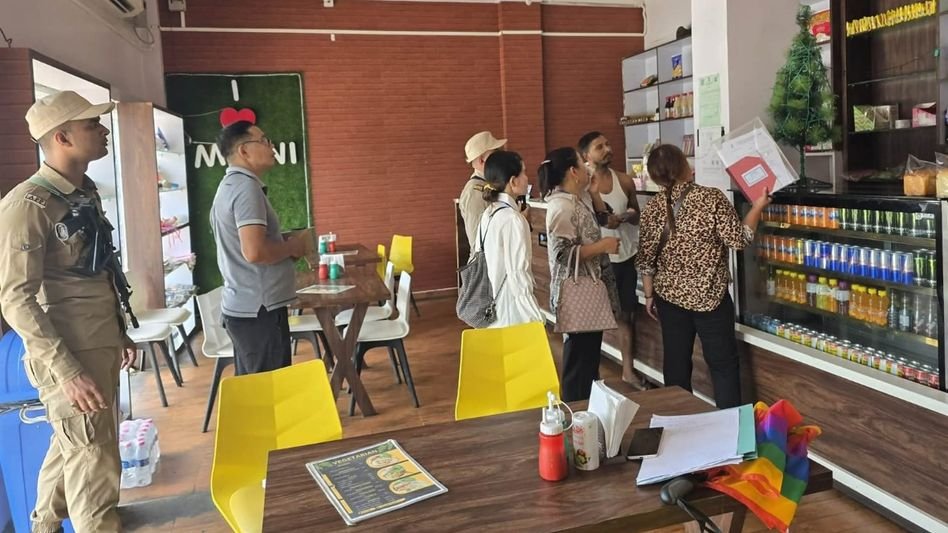
The All Arunachal Pradesh Students’ Union (AAPSU) stepped forward on Friday to set the record straight about what its members were doing at the Special Intensive Revision (SIR) hearing in Bordumsa when things spiralled into violence on September 4. One of their own activists came out of it injured. The union wants everyone to know — they were there to watch, question, and protect, not to cause trouble.
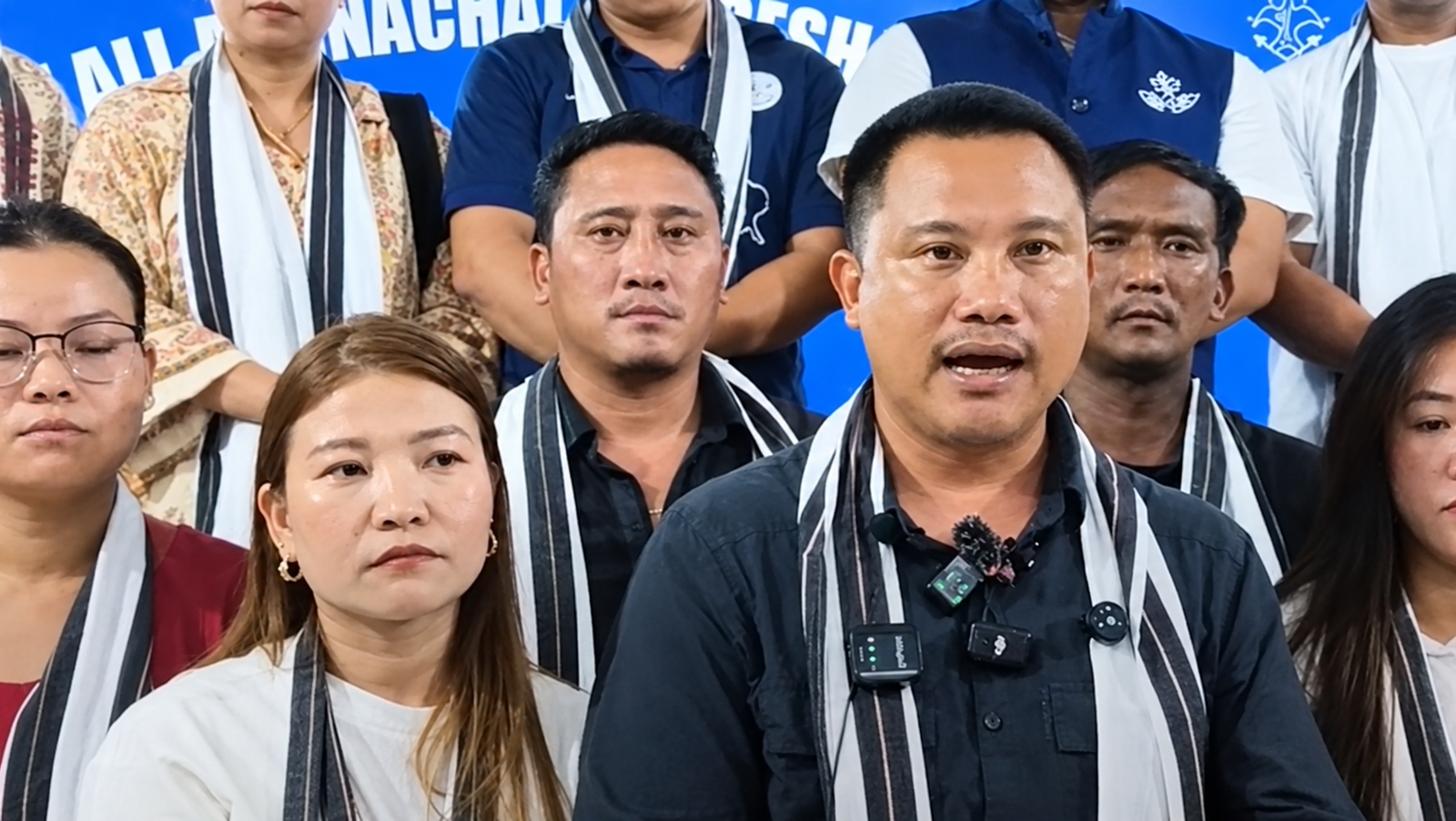
AAPSU Vice President (Protocol) Nabam Gandhi, flanked by other union members, made their position crystal clear. The organisation had sent its team to monitor the ongoing SIR process for electoral rolls in the Bordumsa-Diyun area of Changlang district. Their job, Gandhi explained, was to raise formal objections against names on the voter list that appeared doubtful or potentially ineligible. Standard practice for a student body that has long positioned itself as a watchdog for the rights of Arunachal’s indigenous communities.
What was supposed to be a structured legal process, however, quickly became something else. During the September 4 hearing, a dispute broke out. Gandhi alleged that the AAPSU team was directly confronted and attacked. The result — an injured activist and a deeply rattled union that now finds itself having to explain its presence at the very event it was trying to oversee.
The SIR process itself has been no small matter in this part of Arunachal Pradesh. Electoral roll revisions in border districts like Changlang tend to carry enormous weight, given long-standing anxieties around illegal immigration and demographic change. AAPSU has consistently flagged concerns about ineligible voters finding their way onto rolls — a worry the union says strikes at the heart of what indigenous communities stand to lose if the process is handled carelessly or dishonestly.
That context is important. It explains why AAPSU members showed up to the hearing in the first place. Gandhi was careful to stress that the union’s role at these proceedings is strictly about ensuring verification is done by the book — through proper channels, following prescribed rules, and with the competent authorities making final calls. They weren’t there to take the law into their own hands.
Following the incident, AAPSU issued a firm appeal to the authorities: investigate what happened at that hearing, find out who attacked their team, and make sure the rest of the SIR exercise moves forward without interference or intimidation. The union also reiterated that the entire electoral revision process must be conducted peacefully, transparently, and within the legal framework — no shortcuts, no strong-arm tactics from any side.
What happened at Bordumsa is a troubling sign of how charged these voter roll exercises can become in sensitive districts. When a routine verification hearing ends with fists flying and people nursing injuries, it raises serious questions about who benefits from derailing the process — and who suffers when order breaks down. AAPSU is asking those very questions. The authorities would do well to answer them quickly.