
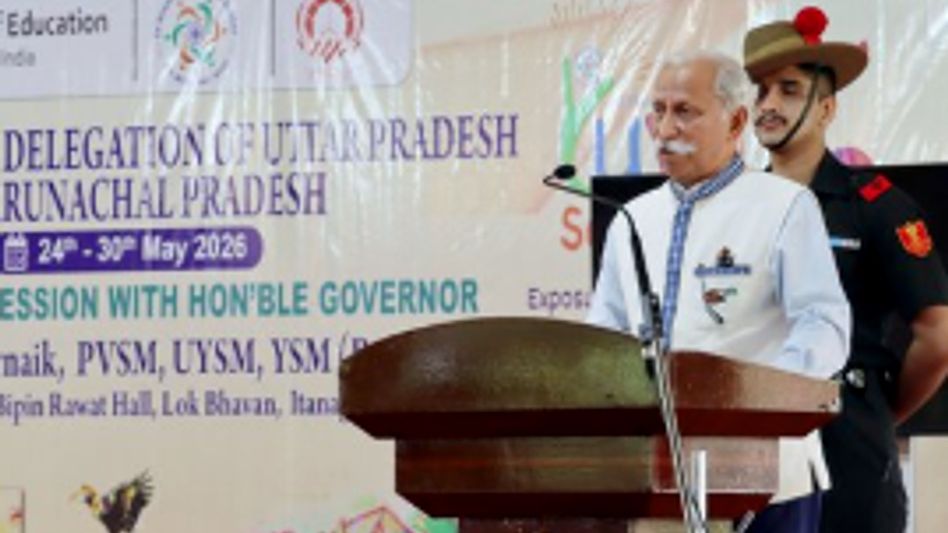
If citizens already had the information they needed, they wouldn’t have to beg for it. That’s essentially what Arunachal Pradesh Governor KT Parnaik said on Tuesday — and it’s the kind of common-sense thinking that rarely gets said out loud by those in power.
Transparency Shouldn’t Be a Favour
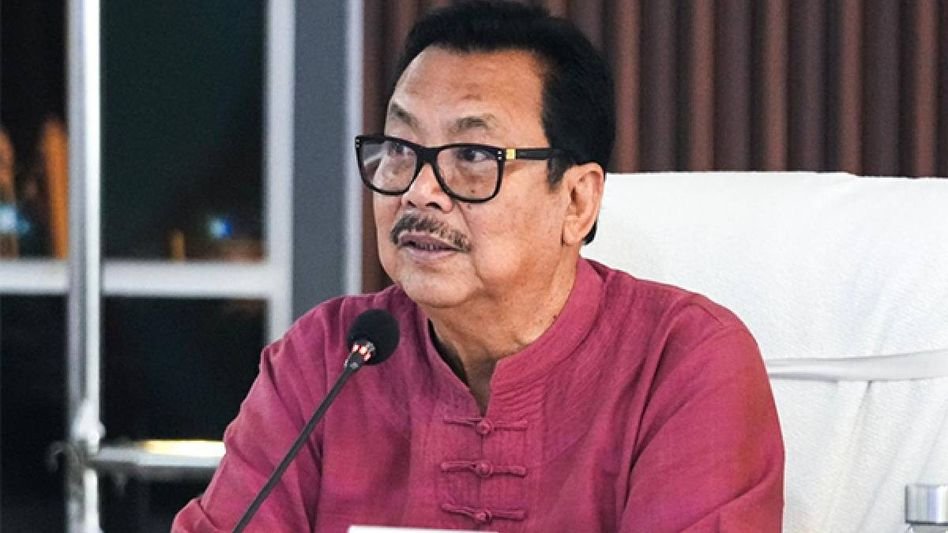
On August 11, Governor Parnaik met with State Chief Information Commissioner Jarken Gamlin at Lok Bhavan in Itanagar. The meeting wasn’t just ceremonial. Parnaik used the occasion to push for a fundamental shift in how the government handles public information — moving away from what he called a system of “information on demand” to one of “information by default.” In plain terms: stop making citizens file paperwork to learn what their own government is doing. Just put it out there.
It’s a simple idea, really. And yet, for far too many government departments across India, transparency is still treated like a privilege to be granted rather than a right to be upheld.
What He’s Actually Asking For
Parnaik wasn’t speaking in vague platitudes. He was specific. He asked government departments to regularly update their official websites with budgets, project progress reports, beneficiary lists, recruitment notices, tenders, land allotments and welfare scheme details. That’s a comprehensive ask — and honestly, it’s not too much to expect in 2026.
He also pushed hard on the digital infrastructure angle, calling for a mission-mode programme to digitise government files, integrate e-Office systems, and build searchable digital repositories across departments. Because even if departments are willing to be transparent, records buried in dusty files aren’t exactly accessible.
RTI Was Never Meant to Be a Burden
Here’s the thing — the Right to Information Act was designed as a safety net, not a first resort. When citizens are forced to file RTI applications just to know whether a road project is moving forward or whether their welfare entitlement was approved, something has gone seriously wrong. RTI applications spike when proactive disclosure fails. That’s not a coincidence.
Governor Parnaik’s point cuts right to the heart of this problem. Routine disclosures won’t eliminate RTI — but they can dramatically reduce the unnecessary ones that clog the system and exhaust both citizens and officials.
A Shift in Mindset, Not Just Policy
What Parnaik is calling for goes beyond website updates or digitisation drives. It’s a cultural shift — one where government departments see themselves as accountable to the public rather than merely tolerant of its questions. Arunachal Pradesh has been taking gradual steps toward better governance, and if this push translates into real action on the ground, it could set a meaningful example for other states in the Northeast.
Openness shouldn’t be something citizens have to fight for. It should just be how governance works.
HASHTAGS
#ArunachalPradesh #RTIAct #KTParnaik #RightToInformation #GovernorParnaik #ArunachalNews #ProactiveDisclosure #GovernmentTransparency #EOffice #DigitisationIndia #CitizenRights #OpenGovernment #InformationByDefault #NortheastIndia #AbotaniTV #ArunachalGovernor #PublicAccountability #RTIReform #JarkenGamlin #TransparentGovernance