
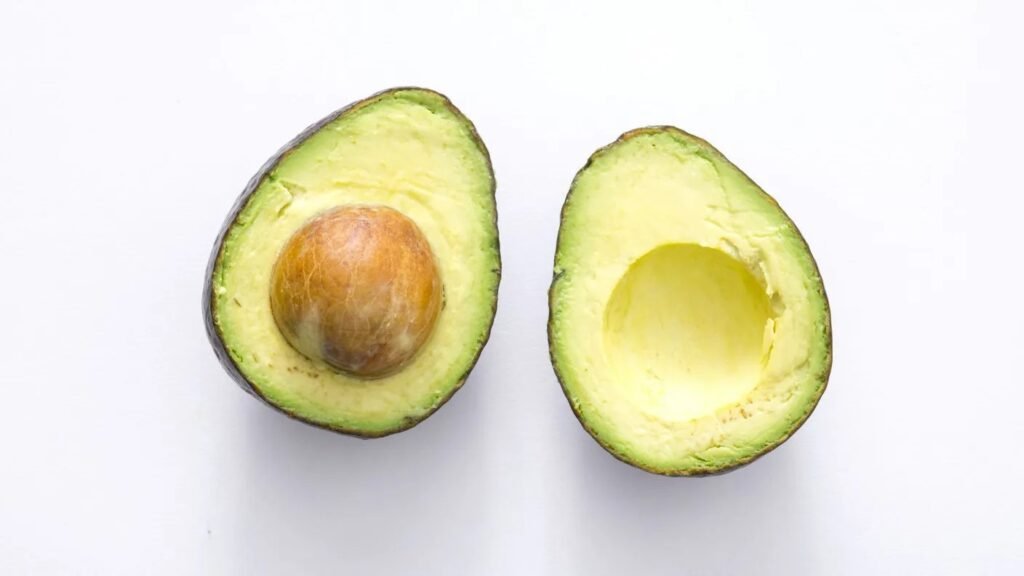
There is nothing more frustrating than cutting into a perfect avocado, using half of it, and finding the rest brown and unappetizing a few hours later. If you want to know how to keep avocados fresh longer without lemon juice, you are in luck: lemon is only one way to slow browning, and it is not always the best one. It changes the flavor, it is not always in the kitchen when you need it, and it does not suit every dish. The methods below protect both color and taste, work for whole avocados, halves, and guacamole, and use simple tools and ingredients you probably already have.
Browning is not spoilage, and that distinction matters. An avocado turns brown because its flesh reacts with oxygen in the air, not because it has gone bad in that moment. The color change can look off-putting, and the flavor can turn slightly stale, but a lightly browned avocado that still smells fresh is usually fine to eat after the browned layer is scraped away. Every method in this guide works on the same principle: limit oxygen, slow the reaction, and keep the avocado cool. Once you understand that, you can choose the right method for how you plan to use the fruit.
Why Avocados Brown So Quickly
When you cut an avocado, you expose its flesh to air. An enzyme in the fruit then reacts with oxygen and produces brown pigments, a process much like what happens to a sliced apple or banana. The reaction starts within minutes, which is why a cut avocado can look dull before lunch is even ready. Warmth speeds it up, thin slices brown faster than a thick half because more surface is exposed, and a bruised or overripe avocado browns faster still.
That is why the best storage methods all do one of two things: they block air from reaching the surface, or they slow the enzyme with cold. Lemon juice does both a little, because its acidity slows the enzyme and a thin layer of juice coats the surface. The alternatives below do the same job in different ways, and several of them protect flavor better than lemon, which is a real advantage for guacamole, toast toppings, and salads where a citrus tang would clash.
Start With Ripeness: The Biggest Factor
No storage trick can rescue an avocado that was already past its prime when you cut it. Learn to judge ripeness before you buy and before you cut. A ripe avocado yields gently to light pressure in your palm, without feeling mushy or hollow. The small stem cap should lift off easily and reveal green underneath; if it is brown underneath, the fruit is likely overripe inside.
Store unripe avocados at room temperature until they soften, and move ripe ones to the refrigerator to slow further ripening. A ripe whole avocado kept cold can stay good for several more days than one left on the counter. Do not refrigerate a hard, unripe avocado for long, as cold can interfere with ripening and leave you with a fruit that never softens properly. Once an avocado is ripe, cold is your friend.
If you have several ripe avocados at once, use the firmest one first and keep the rest cold. Planning the order in which you use them is a simple habit that prevents waste far more effectively than any single storage hack.
Storing a Cut Avocado Half
The half with the pit lasts longer, so if you only need half, use the pit-free half first and store the other one. The pit does not magically preserve the whole half, but it does shield the small area it covers, and that area stays greener than the exposed flesh around it. Leave the pit in place while storing, and remove it only when you are ready to eat.
Brush or spray the cut surface lightly with a neutral oil, such as a mild olive oil or avocado oil, then press plastic wrap directly onto the flesh so no air pockets remain. The oil forms a barrier against oxygen, and the wrap keeps that barrier in place. Place the half cut-side down in an airtight container and refrigerate it. With this method, a half usually stays bright for a day or two, and the top layer can be scraped off if a little browning appears at the edges.
Another effective option is the water method for short-term storage. Place the half cut-side down in a shallow container, add just enough cold water to cover the cut surface, seal the container, and refrigerate. Water blocks oxygen very effectively, and the avocado does not absorb much water in a day. Pat it dry before serving. This method is best for use within a day, and it suits halves you plan to mash or blend, where a little surface moisture does not matter.
Keeping Guacamole Green
Guacamole is harder to protect than a single half because mashing exposes far more surface to air. The most reliable method is also the simplest: press plastic wrap directly onto the surface of the guacamole, pushing out every air bubble, then seal the container and refrigerate. Air trapped between the wrap and the dip is what causes browning, so the wrap must touch the surface everywhere, not just cover the top of the bowl.
A thin layer of water on top of guacamole works surprisingly well for short storage. Pour a thin layer of cold water over the surface, seal the container, and refrigerate. When you are ready to serve, pour the water off and stir. The dip underneath stays green because water, not air, was in contact with it. This trick is best for guacamole you will eat within a day, and it is especially handy for party prep.
Adding other acidic ingredients you already use, such as lime juice in the recipe itself or finely diced tomato, can also slow browning, but do not rely on them alone. A well-mixed guacamole with a proper surface seal will outlast one that depends only on an ingredient. The same oxygen-blocking idea also helps with other fruit, as explained in our guide to keeping cut apples from browning without lemon juice, where sealing the cut surface matters more than any single ingredient.
Other Lemon-Free Methods Compared
Onion Storage
Storing a cut avocado in a sealed container alongside a chunk of onion is a popular tip, and many home cooks swear by it. The sulfur compounds released by the onion are thought to slow browning. It can help for a day, but it may also leave a faint onion scent on the avocado, so it suits savory uses better than smoothies or sweet dishes. Keep the onion piece from touching the flesh directly.
Vinegar Rinse
A quick rinse or light brush with white vinegar or apple cider vinegar slows browning because acidity slows the enzyme reaction. Use it sparingly, as vinegar has a strong flavor that can come through in delicate dishes. It works best for avocado destined for salads or sandwiches with other bold flavors, rather than plain avocado toast where the taste would stand out.
Airtight Containers and Vacuum Sealing
A good airtight container is the foundation of every method here, and a vacuum sealer takes it further by removing almost all the air. If you regularly prep avocados, a small vacuum container is a worthwhile investment. For most households, though, a standard container with wrap pressed directly onto the surface gives nearly the same result at no extra cost.
Mistakes That Make Avocados Brown Faster
Leaving a cut avocado uncovered in the refrigerator is the most common mistake. Cold alone slows browning, but it does not stop it if air can reach the surface freely. A container with a loose lid still lets air circulate, so always press wrap onto the surface or use a container sized to fit the avocado snugly.
Cutting an avocado long before you need it is another avoidable error. Whenever possible, cut it just before serving, and store only the portion you genuinely will not use right away. Slicing a whole batch for the week guarantees more browning than cutting one avocado at a time as needed.
Storing avocados next to strong-smelling foods without a seal can also transfer odors, and storing a ripe avocado beside bananas or other fruit that release ripening gas can push it past ripe faster. Keep ripe avocados cold, sealed, and away from the fruit bowl once they are ready to eat.
Freezing Avocados for Longer Storage
Freezing changes texture, so frozen avocado will never be quite like fresh, but it is an excellent option for smoothies, dressings, and dips. For halves, brush the cut surface with oil, wrap each half tightly, and place them in a freezer bag with the air pressed out. For mash, add a small amount of lime or lemon only if the flavor suits your planned use, then freeze it flat in a bag so it thaws quickly.
Thaw frozen avocado in the refrigerator, not on the counter, and use it promptly once thawed. Expect a softer texture and a slightly different color, which is normal and does not mean the fruit is unsafe. Frozen avocado is best blended or mashed rather than sliced for a salad, where texture matters most.
How to Tell If an Avocado Is Still Good
Use your senses, not the color alone. A good avocado smells fresh and mild, feels firm but yielding, and tastes clean. Light browning on the surface can be scraped away to reveal green flesh underneath. Discard an avocado if it smells sour or rancid, feels stringy and mushy throughout, has mold, or tastes off. When in doubt, throw it out: a replacement avocado costs far less than an unpleasant meal.
Remember that a whole avocado with a dark, blemished skin can still be perfect inside, and a beautiful-looking skin does not guarantee good flesh. Ripeness checks by touch and by the stem cap are more reliable than appearance alone, and they help you avoid cutting into fruit before it is ready.
FAQs
How long does a cut avocado last in the refrigerator without lemon juice?
With the cut surface oiled and sealed tightly with wrap in an airtight container, a half usually stays fresh for one to two days. Guacamole with wrap pressed onto its surface typically lasts about a day before the top begins to darken.
Does the pit really keep an avocado from browning?
Only the flesh directly under the pit is protected, because the pit blocks air from that small area. The rest of the cut surface browns at the normal rate unless it is also sealed. Always store the pit-in half, but pair it with wrap or oil for real protection.
Can I use water to store a cut avocado?
Yes, for short-term storage. Placing the half cut-side down in cold water blocks oxygen effectively, and the avocado absorbs very little water within a day. Pat it dry before serving, and use this method only for avocado you plan to eat soon.
Is brown avocado safe to eat?
Light browning from air exposure is not the same as spoilage. If the avocado still smells fresh and tastes fine, scrape off the browned layer and eat the green flesh underneath. Discard it if it smells sour, tastes rancid, or shows mold.
What is the best lemon-free method for guacamole?
Press plastic wrap directly onto the guacamole surface, removing all air bubbles, then seal and refrigerate. For extra protection, a thin layer of water on top before sealing works well for guacamole you will serve within a day.
Should I refrigerate a whole ripe avocado?
Yes. Refrigeration slows ripening and extends the life of a ripe avocado by several days compared with leaving it on the counter. Keep unripe avocados at room temperature until they soften, then move them to the refrigerator.












1 thought on “How to Keep Avocados Fresh Longer Without Lemon Juice”
Comments are closed.