
When the Chief Minister of Arunachal Pradesh has to flee by helicopter from his own state’s district, something has gone deeply, seriously wrong.
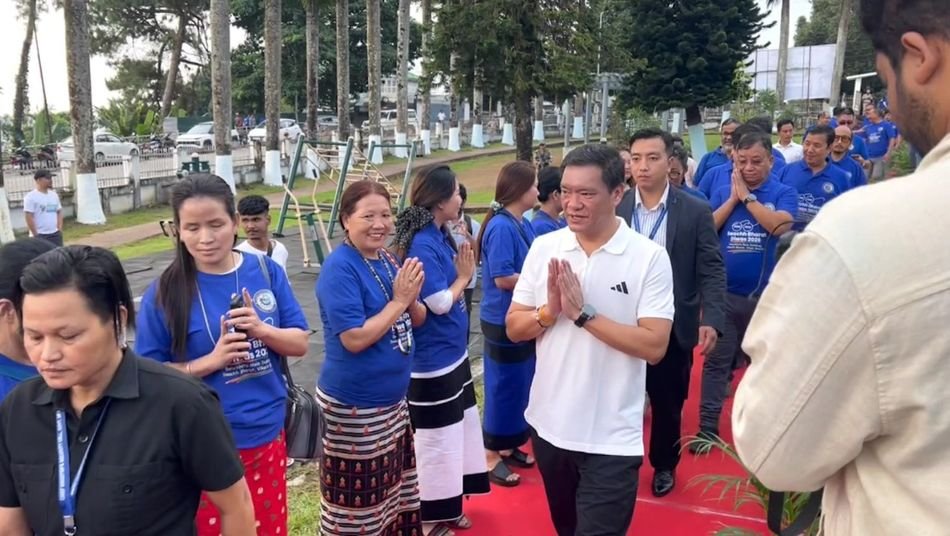
That is exactly what happened in Yingkiong on September 30, when protests over the proposed Siang Upper Multipurpose Project (SUMP) turned violent — forcing Chief Minister Pema Khandu to cut short his two-day visit to the Siang and Upper Siang districts and be airlifted out as law and order crumbled around him.
Now, Khandu is pushing back.
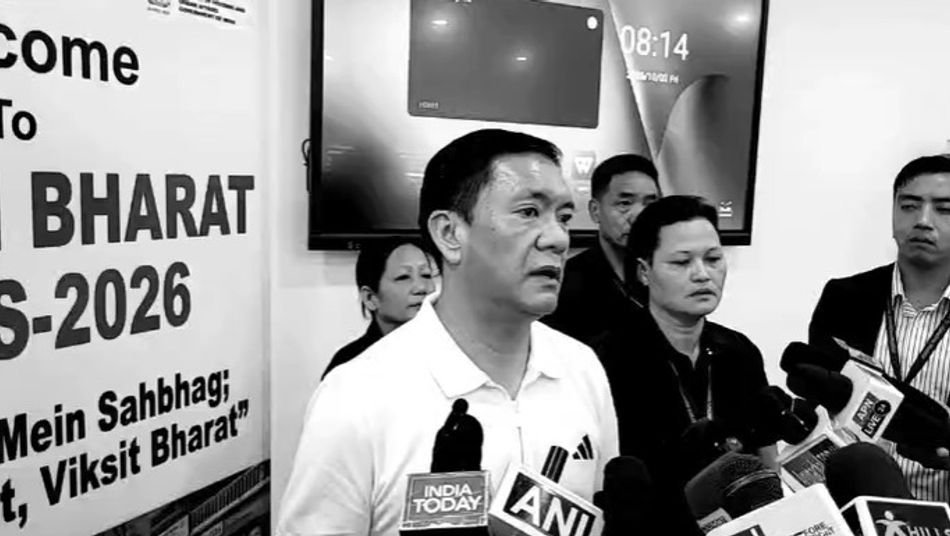
In a pointed statement addressing the chaos, the Chief Minister drew a firm line between protest and crime. “It’s not a protest — attacking houses, burning cars, attack on paramilitary forces, it’s a crime and the law will take its own action,” he said. Strong words. And perhaps necessary ones, given the scale of what unfolded.
But Khandu didn’t stop at the condemnation. He went on to do something that should have been done much earlier — explain exactly what is going on with the Siang project. Because a lot of the fury on the ground, it seems, is rooted in a misunderstanding that nobody in power moved quickly enough to correct.
“We went to talk, consult and listen to the grievances. It’s not a dam, it’s just PFR, Pre-Feasibility Report, which will be done by drilling using equipment by the hydropower company. Later on, we will know the potential and feasibility of the project,” he said.
In plain terms — nothing has been built. Nothing has been approved. The state government insists the current exercise is purely a preliminary technical survey to find out whether the project is even viable to begin with. That’s what a Pre-Feasibility Report means. Yet to the people of the Siang Valley, it might as well have been the sound of bulldozers.
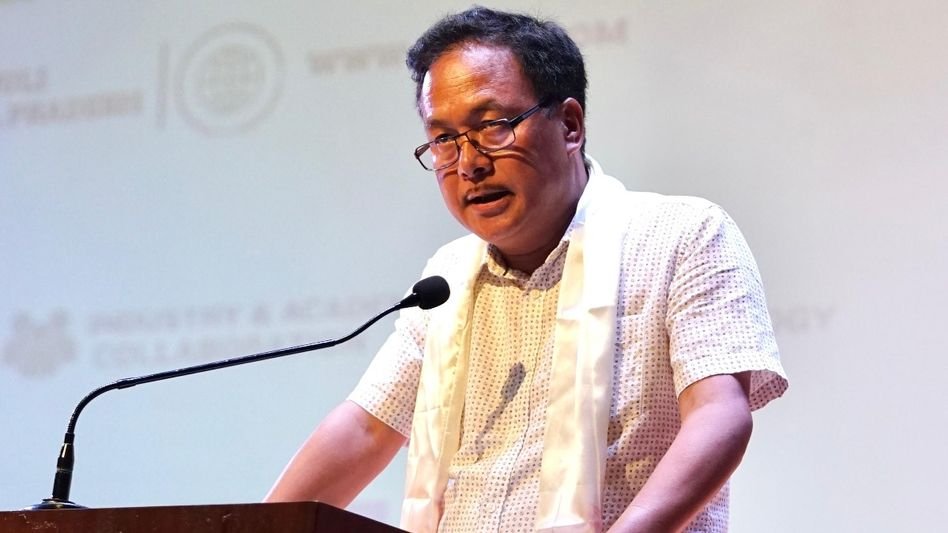
The protests spread across Yingkiong, Geku, Komkar and adjoining areas, with road blockades reported along key routes. The residence of Tuting-Yingkiong MLA Alo Libang was also allegedly vandalised. The demonstrations also affected the movement of Deputy Chief Minister Chowna Mein and other ministers who were in Yingkiong. This wasn’t a small-scale roadblock. This was a district in revolt.
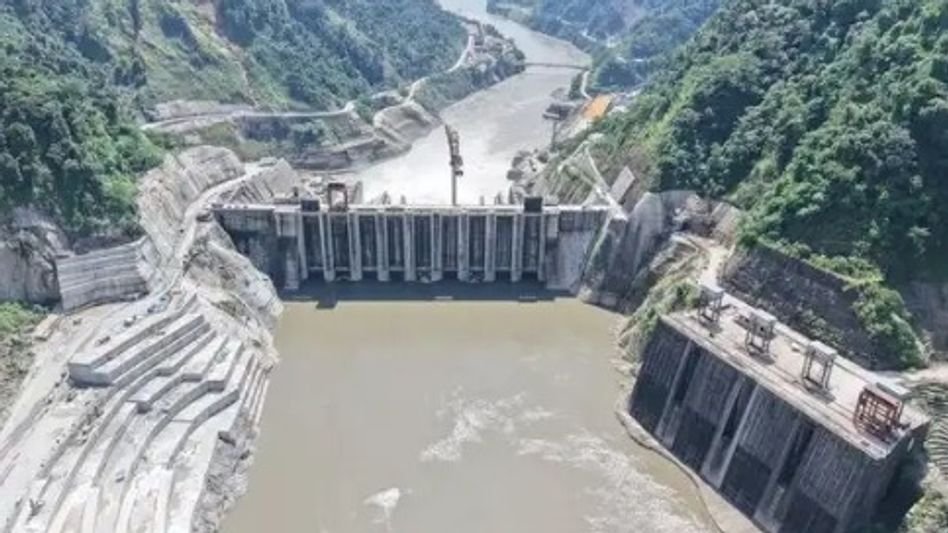
The anger is not hard to understand. The proposed SUMP, with an installed capacity of around 11,000 MW, has faced sustained opposition from sections of indigenous communities in the Siang Valley. Residents and local groups have raised concerns over possible displacement, environmental consequences and the impact on their traditional way of life. For communities who have lived along the Siang for generations, the river isn’t just a resource — it’s identity, it’s livelihood, it’s home.
The Siang River enters India through Arunachal Pradesh’s Upper Siang district after originating in Tibet, where it is known as the Yarlung Tsangpo. It later flows into Assam as the Brahmaputra. The proposed project has also been described by the state government as having strategic significance because of the river’s location along India’s border with China. That geopolitical angle adds another layer entirely to an already complicated situation.
The government says it came to listen. The people say they’ve already spoken — loudly enough. Whether Khandu’s clarification will cool tempers or simply arrive too late to matter is the question the Siang Valley is now living inside.
A feasibility report is not a dam. But trust, once broken, is not so easily surveyed and rebuilt.