

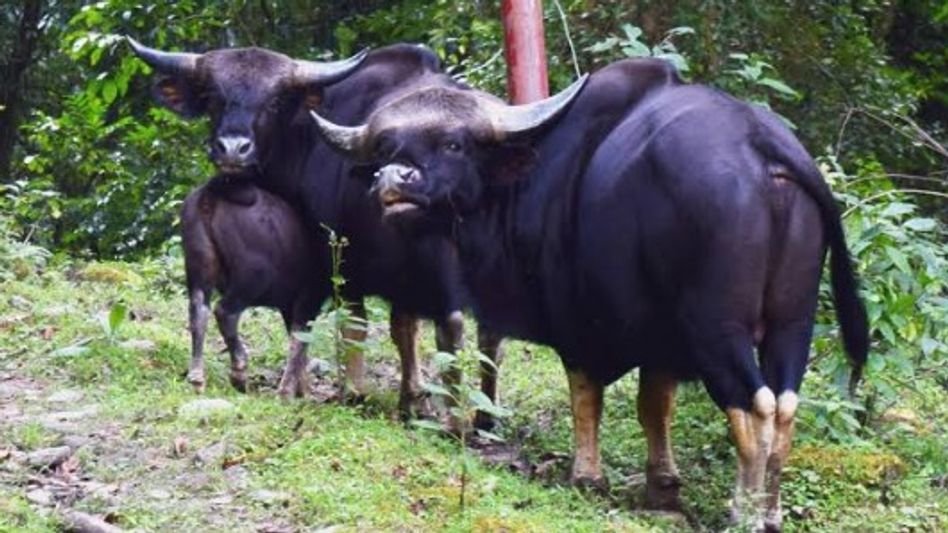
In the forested hills of Dibang Valley, a silent killer has been moving from village to village for nearly two months. Foot-and-Mouth Disease has now claimed 267 mithuns — one of the most culturally and economically significant animals in Arunachal Pradesh — and there are still over a thousand animals fighting for their lives.
Officials confirmed on Monday, September 21, that as many as 1,402 mithuns have been affected by the outbreak across 21 villages in the district. Of those, 1,225 have received treatment. The remaining 267 did not make it.
For anyone who knows what the mithun means to the people of Arunachal Pradesh, these numbers carry a weight that goes far beyond livestock statistics. The mithun is not just an animal here — it is a symbol of wealth, social status, and cultural pride. Losing 267 of them in a single outbreak is, for many families in these villages, nothing short of a disaster.
According to Dr. Dammo Riba, the district’s Animal Husbandry and Veterinary Officer, the disease was first spotted in the last week of July, after alarming reports of mithun deaths began coming in. Veterinary teams were quickly mobilised and sent into the field with medicines and sample-collection kits. A central team of subject experts also made the journey to Dibang Valley to assess just how bad things were on the ground.
The results from the laboratory told a clear story. Tests conducted by the National Institute of Foot and Mouth Disease in Odisha confirmed the outbreak was caused by FMD serotype O — a strain well known for how fast and ruthlessly it can spread through a herd.
Right now, a four-member rapid response team, working alongside local veterinary personnel, is moving through the affected villages carrying out treatment, surveillance, and community awareness activities. The state government and the Directorate of Animal Husbandry, Veterinary and Dairy Development have stepped in with additional manpower and medicines to bolster the district’s capacity to respond. It’s the kind of coordination that should have been easy to pull off given that the department reportedly maintains detailed household-, individual-, and village-level records of mithuns and cattle.
Dr. Riba took the opportunity to urge locals and agencies to rely strictly on official departmental figures when reporting animal numbers and deaths. It’s a quiet but pointed reminder that misinformation can spread almost as fast as the disease itself — and that panic based on wrong numbers helps no one.
FMD is no stranger to livestock communities in India. It is a highly contagious viral disease that targets cloven-hoofed animals — cattle, mithuns, pigs, sheep, goats — and it has the ability to tear through a herd before anyone even realises what is happening. The only real defence, apart from swift containment, is vaccination. The veterinary department already runs free vaccination drives twice a year, going directly to farmers’ doorsteps. Officials are urging livestock owners across the affected area to cooperate fully with vaccination teams as monitoring continues.
Two months in, containment is still very much a work in progress. And with 1,402 mithuns affected and only 267 deaths so far, the pressure to hold the line is immense. What happens in the coming weeks in those 21 villages of Dibang Valley will determine whether this outbreak is brought under control — or whether the numbers get far worse.