

Introduction
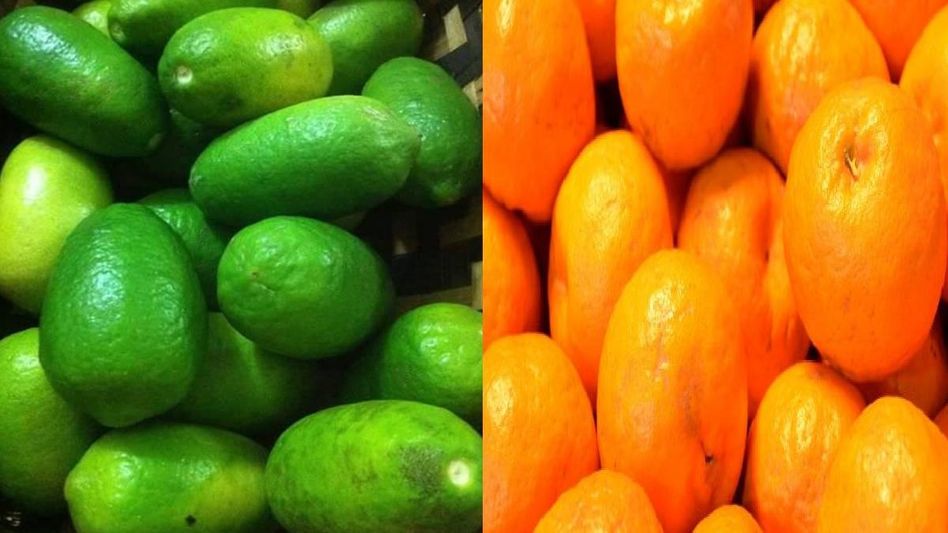
In the lush hills of Northeast India, two indigenous citrus varieties—Assam’s Kaji Nemu (citrus lemon) and Meghalaya’s Khasi Mandarin—are making waves beyond local markets. Recently granted Geographical Indication (GI) tags, these tart, aromatic fruits are now starring in India’s burgeoning craft gin scene, blending tradition with modern mixology.
The Rise of Craft Gin in India
Over the past decade, India’s craft gin industry has surged, with distillers experimenting locally sourced botanicals to create unique flavors. Unlike mass-produced spirits, craft gin emphasizes regional ingredients, sustainability, and storytelling. Enter the Northeast’s citrus gems: Kaji Nemu and Khasi Mandarin. Their bold profiles and GI recognition have positioned them as game-changers for artisanal distillers seeking to stand out in a competitive market.
Meet the Citrus Stars
- Kaji Nemu (Assam):
- Known for its intense aroma and juicy pulp, this elongated lemon is a staple in Assamese cuisine.
- GI tag (2023) ensures only lemons grown in Assam’s specific climate and soil can bear the name.
- Khasi Mandarin (Meghalaya):
- Smaller, sweeter, and less fibrous than regular mandarins, it thrives in Meghalaya’s cool hills.
- Awarded GI status in 2024, protecting its unique genetic identity.
From Orchards to Craft Spirits
Distilleries across India are infusing these citrus fruits into gin, capitalizing on their vibrant flavors:
- Citrus Zest: The peel of Kaji Nemu adds a tangy, floral note, while Khasi Mandarin contributes a sweet-tart balance.
- Cultural Connection: Using GI-tagged ingredients helps brands highlight Northeast India’s heritage, appealing to eco-conscious consumers.
- Farmer Benefits: Increased demand is boosting incomes for small-scale growers, encouraging sustainable farming practices.
Example: A Guwahati-based distillery’s “Hillside Citrus Gin” uses Kaji Nemu as its hero ingredient, earning accolades for its refreshing, uniquely Assamese character.
Challenges and Opportunities
While the trend is promising, hurdles remain:
- Supply Chain Gaps: Limited infrastructure in remote Northeast regions slows large-scale sourcing.
- Awareness: Many consumers are still unfamiliar with GI tags or regional citrus varieties.
- Competition: Global gin brands dominate markets, requiring local players to innovate relentlessly.
However, collaborations between distilleries, farmers, and state agencies are bridging gaps. Meghalaya’s government, for instance, recently launched grants for citrus-based agro-industries.
The Future of Terroir-Driven Spirits
The success of Kaji Nemu and Khasi Mandarin in gin mirrors a global shift toward “terroir” spirits—drinks that embody a region’s geography and culture. For India, this trend could unlock opportunities for other GI products, from Nagaland’s Raja Mircha chili to Darjeeling’s tea.
Conclusion
Northeast India’s GI-tagged citrus fruits are more than just ingredients—they’re symbols of a craft revolution marrying heritage with modernity. As distillers and farmers collaborate, these citrus stars are not only redefining gin but also paving the way for a more inclusive, sustainable economy.
“When you sip a gin infused with Kaji Nemu, you’re tasting Assam’s soil and sunshine,” says a local distiller. “That’s magic in a glass.”
.