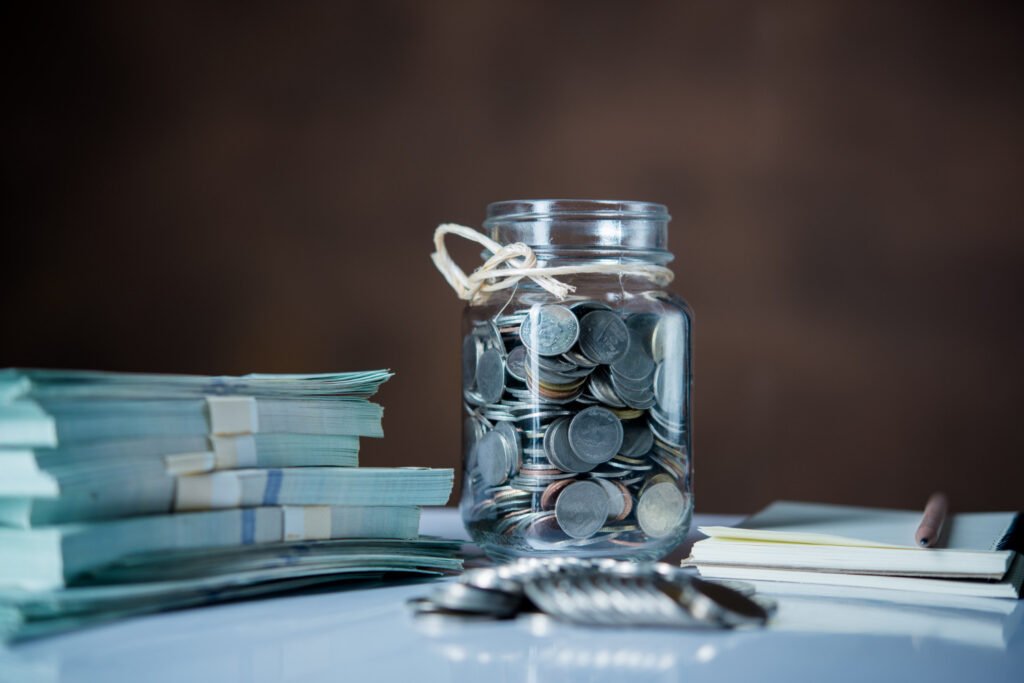
Saving money feels impossible when every dollar already has a job. Rent, groceries, utilities, and transportation eat up the paycheck before the month is half over, and there never seems to be anything left to set aside. Many guides suggest downloading a budgeting app, but not everyone wants another app tracking their spending, and an app alone does not create money that is not there. The good news is that learning how to save money on a low income without budgeting apps is entirely possible. It takes a simple system you can run with paper, envelopes, and a notebook, plus a clear-eyed look at where your money actually goes. This guide explains how to build that system step by step, how to find savings in the bills you already pay, and how to make small daily choices that add up to real money over time. Nothing here requires a subscription, a smartphone app, or a perfect budget. It only requires honesty about your income and a willingness to try one change at a time.
Start with the Numbers You Actually Have
Before you can save anything, you need to know exactly what comes in and what goes out. This is the part most people skip, and it is the reason most budgets fail. You do not need an app for this. A notebook and a pen work fine, and writing the numbers down by hand often makes them feel more real.
Write Down Your Take-Home Pay
Write down the amount that actually lands in your bank account each month, after taxes and any deductions. If your pay varies from week to week, use the lowest amount you typically receive in a month as your planning number. Planning around your lowest month keeps you safe in slow weeks instead of short.
List Every Regular Expense
Go through your last month of bank statements and write down every recurring cost: rent, utilities, phone, internet, car payment, insurance, groceries, transportation, and any subscriptions or loan payments. Do not guess. Look at the real numbers. Most people are surprised by at least one expense they forgot about, often a subscription they stopped using months ago.
Subtract and Face the Gap
Subtract your total expenses from your take-home pay. If the result is zero or negative, that tells you something important: the problem is not a lack of willpower, it is a math problem. You either need to lower expenses, increase income, or both. If the result is positive, even by a small amount, that is your starting savings number. Even twenty dollars a month is a beginning, and a beginning is what matters.
The Envelope Method: Budgeting Without an App
The cash envelope method is one of the oldest and most effective budgeting systems, and it needs no technology at all. The idea is simple. You divide your spending money into categories, put the cash for each category into a labeled envelope, and when an envelope is empty, you stop spending in that category until the next payday.
How to Set It Up
- Decide your categories. Keep it simple: groceries, transportation, household, personal, and fun money. Five envelopes are enough for most people.
- Assign an amount to each envelope based on your real spending from the previous month, trimmed slightly where you think you can cut back.
- On payday, withdraw the cash for your envelopes and fill them.
- Pay for things in each category with cash from the matching envelope.
- When an envelope is empty, stop spending in that category. No borrowing from another envelope unless you have a genuine emergency.
The power of this system is that it makes spending visible. Swiping a card hides the cost. Handing over physical cash makes you feel it. Many people find they spend less on groceries and impulse purchases within the first month simply because they can see the envelope getting thin.
If you prefer not to carry cash for everything, you can use the same idea with a notebook. Write each category at the top of a page, record every purchase, and subtract as you go. The principle is the same: a fixed amount, tracked by hand, with a hard stop when it runs out.
Pay Yourself First, Even a Small Amount
The phrase pay yourself first means treating savings like a bill that must be paid, not like whatever is left over at the end of the month. Because on a low income, there is rarely anything left over. The trick is to move the money on payday, before you have a chance to spend it.
Start with an amount so small it feels almost pointless. Ten or twenty dollars per paycheck is a real start. Set up an automatic transfer to a separate savings account on payday if your bank allows it, or move the cash into a savings envelope the moment you get paid. The amount matters less than the habit. Once saving becomes automatic, you can increase the amount gradually as your situation improves.
Keep your savings in a separate account from your everyday spending money. If the money sits in your checking account, it will get spent. A separate account, ideally one without a debit card attached, creates a small barrier that protects your savings from impulse spending.
Cut Your Bills Without Cutting Your Quality of Life
Large, recurring bills are where the biggest savings usually hide. A small percentage cut on a large bill saves more than skipping coffee ever will. Review each of these once and you may find money you did not know you were losing.
Phone and Internet
Call your phone and internet providers and ask what cheaper plans are available. Providers often have lower-priced plans that are not advertised. If you have been a customer for a long time, ask for a loyalty discount or a retention offer. You can also consider a prepaid phone plan, which is often significantly cheaper than a contract plan for the same service. Check whether you qualify for a government-supported discount program for internet or phone service, such as the Lifeline program in the United States.
Insurance
Review your car and renters insurance once a year. Getting quotes from two or three other companies takes an afternoon and can reveal a much lower rate for the same coverage. Raising your deductible, if you can afford the risk, lowers your monthly premium. Some insurers also offer discounts for bundling policies, for safe driving, or for paying annually instead of monthly.
Subscriptions
Go through every subscription you pay for: streaming services, music, cloud storage, gym memberships, meal kits, and apps. Cancel anything you have not used in the past month. For the ones you keep, consider whether a cheaper tier works, or whether you can share a family plan with someone you trust. One canceled subscription can free up enough money to start your savings habit.
Energy and Utilities
Small changes to energy use add up over a year. Lower your water heater temperature slightly, wash clothes in cold water, unplug devices that draw power when idle, and use LED bulbs. If your utility company offers a budget billing plan, it can spread seasonal spikes into even monthly payments, which makes planning easier.
Lower Your Grocery Bill Without Eating Worse
Groceries are one of the largest flexible expenses in most households, which means they are also one of the best places to save. The goal is not to eat less or eat poorly. It is to waste less and plan better.
- Plan meals before you shop: Write a weekly meal plan and a shopping list based on it. Shoppers with a list spend noticeably less than shoppers without one, because a list prevents impulse purchases.
- Buy store brands: Store-brand staples like rice, beans, oats, pasta, and canned goods are often the same quality as name brands at a much lower price. Try one store-brand item at a time and keep the ones you like.
- Build meals around cheap, filling foods: Beans, lentils, eggs, rice, potatoes, and seasonal vegetables are inexpensive, nutritious, and versatile. A few meals built around these each week can cut your grocery bill significantly.
- Reduce food waste: A large share of household food spending ends up in the trash. Use leftovers for lunch the next day, freeze food before it spoils, and buy only the fresh produce you will actually use before it goes bad.
- Shop sales and buy in bulk wisely: Stock up on non-perishable items when they are on sale, but only buy bulk quantities of things you will actually use before they expire.
Find Small Ways to Earn Extra Money
When expenses are already cut to the bone, the other side of the equation is income. You do not need a second job to make a difference. Small, flexible ways to earn extra money can add up over a month.
- Sell things you no longer use: Clothes, electronics, furniture, and books gathering dust can be sold online or at a local market. This is a one-time boost, but it can fund the start of an emergency savings cushion.
- Offer a skill you already have: Cleaning, yard work, babysitting, tutoring, pet sitting, or simple repairs are services neighbors will pay for. Word of mouth in your own community is often the best advertising.
- Pick up occasional gig work: Food delivery, rideshare driving, or task-based work can fill gaps in a schedule. Treat this income as savings money, not spending money, by moving it to your savings account as soon as it arrives.
- Ask about overtime or extra shifts: If your current employer offers extra hours, even a few per week can make a real difference over a month.
Build an Emergency Cushion Before Anything Else
Before worrying about long-term savings goals, focus on building a small emergency cushion. A car repair, a medical bill, or a broken appliance can otherwise force you into high-interest debt that takes months to escape. Aim for five hundred dollars first. That amount covers many common emergencies. Once you reach it, aim for one thousand dollars. Then aim for one month of essential expenses.
Keep this money in a separate savings account that you can access quickly in a real emergency, but not so easily that you dip into it for everyday spending. An emergency cushion is not a vacation fund or a shopping fund. It is the buffer that keeps a bad week from becoming a financial crisis.
Daily Habits That Add Up
Big savings come from bills and groceries, but small daily habits protect those savings from leaking away. None of these alone will change your finances, but together they can free up a meaningful amount each month.
- Cook at home more often: A homemade meal usually costs a fraction of a restaurant meal or a delivery order.
- Wait a day before non-essential purchases: If you want to buy something that is not a necessity, wait twenty-four hours. Many impulse purchases lose their appeal overnight, and the ones that still feel worth it the next day are more likely to be genuine wants.
- Use the library: Books, movies, music, and even some classes are free at your local library. It is an easy replacement for paid entertainment.
Common Mistakes to Avoid
- Setting an unrealistic budget: A budget that cuts everything fun will fail within weeks. Leave a small amount for enjoyment, even five or ten dollars, so the plan feels livable.
- Trying to change everything at once: Pick one or two changes to start. Master them, then add more. A slow start that sticks beats a dramatic overhaul that collapses.
- Using credit cards to cover shortfalls: Putting everyday expenses on a credit card you cannot pay off in full creates high-interest debt that grows faster than your savings. If you use a card, treat it like cash and pay it in full each month.
- Ignoring small debts: Small debts with high interest rates can quietly drain your money. List all debts, note their interest rates, and focus extra payments on the highest-rate one first while paying minimums on the rest.
- Comparing your situation to others: Saving on a low income is harder than saving on a high income, and that is not a personal failure. Progress is progress, even if it is slower than someone else’s.
A Simple Monthly Routine
Once your system is set up, a short monthly routine keeps it running without an app or a spreadsheet.
- On payday, move your savings amount first, then fill your envelopes.
- Once a week, record your spending in your notebook and check your envelope balances.
- At the end of the month, add up what you spent in each category and compare it to the plan. Adjust next month’s amounts based on what you learned.
- Once a month, check for a bill or subscription you can reduce or cancel.
- Celebrate small wins. If you saved anything at all in a month, that is a success worth noticing.
For more on organizing your paychecks around a simple written plan, see our guide on how to budget on a biweekly paycheck step by step, which walks through a payday-based routine that pairs well with the envelope method described above.
This article is for informational purposes only and is not financial advice. Consult a qualified professional.
Frequently Asked Questions
Can I really save money on a low income?
Yes. Saving on a low income usually means starting with small amounts and focusing on the largest expenses first, such as bills and groceries. Even a small regular amount builds into a meaningful cushion over time.
Do I need a budgeting app to manage my money?
No. A notebook, cash envelopes, and a simple payday routine can manage a budget just as well as an app. The method matters less than tracking your spending honestly and consistently.
How much should I save from each paycheck?
Start with an amount you can sustain, even if it is only ten or twenty dollars per paycheck. Increase it gradually as your income rises or your expenses fall. A small amount saved consistently is better than a large amount promised but never set aside.
What is the envelope method?
The envelope method divides your spending cash into labeled envelopes for categories like groceries and transportation. When an envelope is empty, you stop spending in that category until the next payday. It makes spending visible and easy to control without any technology.
Should I pay off debt or save first?
It helps to do both at the same time: build a small emergency cushion of a few hundred dollars first, so an unexpected expense does not force you into more debt, while paying at least the minimum on all debts. After the cushion exists, focus extra money on the highest-interest debt.
What is the easiest expense to cut first?
Unused subscriptions are usually the easiest, because canceling them costs nothing and takes minutes. After that, reviewing your phone, internet, and insurance bills for cheaper options often produces the largest savings.