
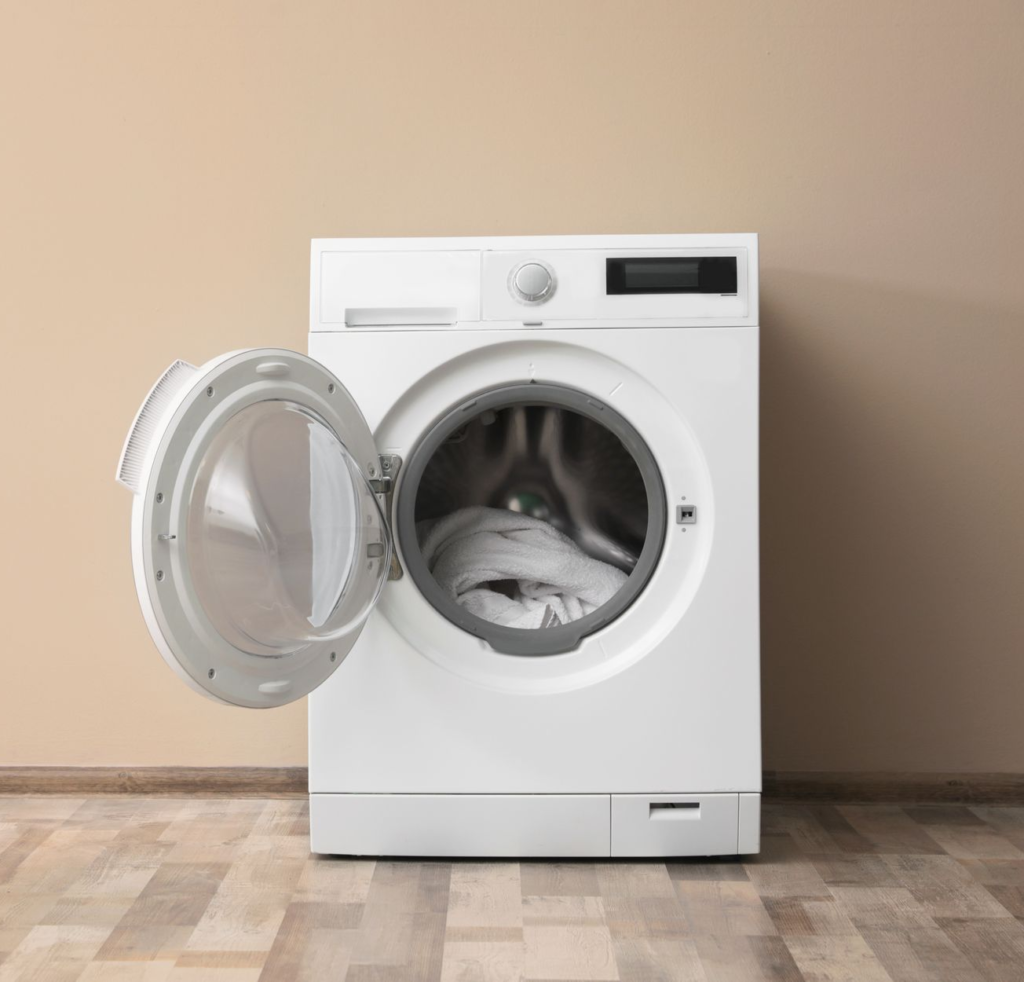
Learning how to clean a washing machine without vinegar is useful for anyone who dislikes the smell of vinegar, has a machine whose manual warns against it, or simply wants a different option that works just as well. A washing machine cleans your clothes, but it also needs cleaning itself. Every load leaves behind detergent residue, fabric softener buildup, body oils, lint, and moisture. Over time that residue feeds mold and mildew, clogs dispensers and filters, and leaves your freshly washed clothes smelling musty instead of fresh. If your laundry comes out of the washer smelling worse than it went in, your machine is overdue for a cleaning.
The methods below use baking soda, citric acid, oxygen bleach, hydrogen peroxide, and chlorine bleach, each suited to a different problem. All of them work without a drop of vinegar. Choose the method that matches your machine type and the problem you see, follow the steps in order, and finish with the simple habits that keep a washer fresh between deep cleans. Never mix these cleaners together, and always run an extra rinse cycle after any cleaning cycle.
Why Washing Machines Start to Smell
The smell comes from a combination of moisture, warmth, and residue. Front-load washers are the worst offenders because the rubber door gasket traps water and detergent in its folds, creating a perfect home for mold. Top-load washers hide residue under the agitator and around the rim, where it is easy to miss. In both types, using too much detergent is the most common cause of buildup, because excess soap does not rinse away fully and leaves a sticky film inside the drum and hoses.
Hard water makes the problem worse by depositing minerals on the drum and heating element. Cold-water washes save energy but do not dissolve detergent as well as hot water, so residue accumulates faster in homes that wash almost everything cold. Fabric softener adds another layer of waxy buildup. The result is a machine that looks clean from the outside while the inside grows a thin layer of grime that transfers odor to every load.
What You Need
Gather baking soda, citric acid powder, oxygen bleach powder, three percent hydrogen peroxide, chlorine bleach if you choose that method, an old toothbrush, clean rags, and rubber gloves. You do not need all of these for one cleaning; pick one main method below and keep the toothbrush and rags for the hands-on parts. Read your machine manual before you start, since some manufacturers restrict certain cleaners, especially chlorine bleach on machines with stainless steel drums or specific seals.
Empty the machine completely before any cleaning cycle. Check pockets are not the issue here; check the drum for stray socks, coins, or small items that could block the drain. Set aside an hour so you can run the cleaning cycle, wipe the gasket and dispenser, and run a rinse cycle without rushing. Cleaning a washer is mostly waiting while the machine does the work.
Method 1: Baking Soda Hot Cycle
Baking soda is the gentlest effective cleaner for a washer and the best starting point. Add one cup of baking soda directly to the empty drum, not the dispenser. Select the hottest, longest cycle your machine offers, often labeled heavy duty, sanitize, or tub clean. Let the machine fill, agitate, and complete the full cycle.
Baking soda neutralizes odors and loosens light detergent residue without damaging seals or finishes. It will not remove heavy mold on its own, but it freshens a machine that smells slightly stale and it is completely safe for every machine type. For a monthly maintenance clean, this method alone is often enough. If the smell persists after the cycle, follow up with one of the stronger methods below.
Method 2: Citric Acid Descaling
Citric acid is the best vinegar-free choice for hard water scale and mineral buildup. It dissolves limescale on the drum, heating element, and internal parts, and it leaves no strong smell behind. Add one cup of citric acid powder to the empty drum, run the hottest cycle available, and let it finish completely.
You can find citric acid powder in the canning section of grocery stores or online. It is food-grade and safe for septic systems. If your machine has visible white scale around the dispenser or door, wipe those areas with a cloth dampened in a citric acid solution before running the cycle. Repeat the treatment every two or three months in hard-water areas, or whenever you notice scale returning.
Method 3: Oxygen Bleach Soak
Oxygen bleach powder is a strong cleaner that is safe for most machines and septic systems. Add one cup of oxygen bleach to the drum, fill the machine with the hottest water, and let it soak for an hour before completing the cycle. On a top-load machine, you can pause the cycle once the drum is full to extend the soak. On a front-load machine, run the longest hot cycle and add an extra soak if your machine offers one.
Oxygen bleach breaks down organic residue and kills many odor-causing organisms without the harsh fumes of chlorine bleach. It is a good middle option: stronger than baking soda, gentler than chlorine bleach. Use it when the machine smells musty but you cannot see heavy mold, or as a quarterly deep clean.
Method 4: Chlorine Bleach Method
Chlorine bleach is the most powerful option for visible mold and heavy odor, but it needs care. Add one cup of chlorine bleach to the bleach dispenser or directly to the drum, never to the detergent dispenser. Run the hottest, longest cycle with an extra rinse. Leave the door open afterward so the drum dries completely.
Never mix bleach with any other cleaner, especially acids or ammonia, since the combination creates dangerous fumes. Do not use bleach if your machine manual forbids it, and do not use it on a machine with a stainless steel drum unless the manual explicitly allows it. After a bleach cleaning cycle, run one empty hot cycle with plain water to flush any residue before washing clothes. Keep the room ventilated and wear gloves while handling bleach.
Method 5: Hydrogen Peroxide Cycle
Three percent hydrogen peroxide is a milder disinfectant that works well for light mold and general freshening. Add two cups to the drum and run the hottest cycle. It breaks down into water and oxygen, leaves no residue, and has no harsh smell. It is a good choice for households that avoid chlorine bleach but want more disinfecting power than baking soda.
Hydrogen peroxide will not remove heavy scale or thick detergent buildup, so pair it with a citric acid treatment if your machine has both problems. Run the peroxide cycle first, then the citric acid cycle on a separate day, never in the same load. For the rubber gasket, apply peroxide to a cloth and wipe the folds directly, since the cycle alone may not reach deep into the gasket.
Method 6: Cleaning the Gasket, Dispenser, and Filter
No cleaning cycle reaches every part of the machine, so the hands-on steps matter as much as the cycle. For a front-load washer, pull back the rubber gasket gently and wipe inside every fold with a cloth dampened in hot soapy water or diluted hydrogen peroxide. You will often find gray slime, lint, and trapped debris. Wipe until the cloth comes away clean, then dry the folds with a fresh towel.
Remove the detergent dispenser drawer and soak it in hot soapy water for twenty minutes, then scrub it with an old toothbrush and rinse. Clean the dispenser housing with the toothbrush too. Finally, locate the drain pump filter, usually behind a small panel at the bottom front of the machine. Place a towel underneath, unscrew the filter slowly, remove lint and small objects, rinse it, and replace it. Do this every two or three months. A clean filter improves drainage and prevents the stagnant water that causes odors.
Front-Loader vs Top-Loader Steps
Front-load washers need the most attention at the gasket and the door. Always leave the door ajar between loads so the drum dries, and wipe the gasket dry after the last load of the day. Run a hot cleaning cycle monthly, and check the drain filter regularly. If your front-loader has a tub-clean cycle, use it instead of a normal hot cycle, since it is designed to reach higher temperatures and longer soak times.
Top-load washers need attention under the agitator and around the rim where the lid meets the drum. Lift the lid and wipe the rim, and run the cleaning cycle with the lid closed so the water reaches the upper parts of the drum. Top-loaders with an agitator can hide residue at the base of the agitator; if your model allows it, remove the fabric softener dispenser cup from the top of the agitator and clean inside it. Both types benefit from using less detergent than the package suggests, since most households overdose soap by a wide margin.
Monthly Routine to Keep Your Washer Fresh
A five-minute routine after laundry day prevents most washer problems. Leave the door or lid open until the drum is dry. Wipe the gasket or rim. Remove the dispenser drawer and let it air dry. Use the right amount of detergent, measured rather than poured freely, and skip fabric softener most of the time or switch to wool dryer balls instead.
Run one hot cleaning cycle each month, rotating between baking soda and citric acid so you cover both odor and scale. Wash a hot load of towels or bedding occasionally, since hot water helps flush residue from the machine. These small habits take almost no effort and they keep the machine smelling fresh, which means your clothes smell fresh too. Clean laundry starts with a clean machine, and it shows in every load.
The same care extends to the clothes themselves. Once the washer is clean, delicate items wash better and last longer, and if you own fine fabrics, our guide to cleaning a silk blouse without dry cleaning shows how to protect them. For everyday clothes, knowing the tricks for removing wrinkles from clothes without an iron means your laundry looks good straight out of a freshly cleaned machine.
Mistakes to Avoid
The most dangerous mistake is mixing cleaners. Never combine bleach with vinegar, citric acid, ammonia, or any other cleaner. Never pour two cleaning products into the machine at once hoping for a stronger result. Use one method per cleaning session and rinse between them.
Overusing detergent is the most common everyday mistake. More soap does not mean cleaner clothes; it means more residue in the machine and on your clothes. Follow the detergent cap lines for your load size and water hardness, and use even less for soft water. Closing the washer door immediately after a load is another habit to break, since a sealed damp drum grows mold within hours. Finally, do not ignore the filter. A clogged filter strains the pump, leaves water sitting in the machine, and creates the stale smell that no cleaning cycle can fix on its own.
FAQ
Can I clean my washing machine without vinegar?
Yes. Baking soda, citric acid, oxygen bleach, hydrogen peroxide, and chlorine bleach all clean a washer effectively without vinegar. Citric acid is the best direct replacement for vinegar when your goal is removing scale and mineral buildup.
How often should I clean my washing machine?
Run a cleaning cycle once a month, wipe the gasket and dispenser weekly, and clean the drain filter every two or three months. In hard-water areas, descale with citric acid every two or three months as well.
Why does my front-load washer smell like mildew?
Water and detergent collect in the rubber door gasket and stay damp between loads. Wipe the gasket dry after each use, leave the door ajar, use less detergent, and run a monthly hot cleaning cycle to remove the mold.
Is it safe to use bleach in a washing machine?
Yes, if your manual allows it. Use one cup in the bleach dispenser, run the hottest cycle with an extra rinse, and never mix bleach with any other cleaner. Do not use bleach on machines whose manuals forbid it.
Can I use baking soda and citric acid together?
Not in the same cycle. They neutralize each other and cancel out the cleaning effect. Use one per cleaning session, on separate days if you want both benefits.
What causes black mold in a washing machine?
Constant moisture plus detergent and fabric softener residue. The gasket folds, dispenser housing, and filter trap that residue and stay damp, which lets mold grow. Regular wiping, leaving the door open, and monthly hot cycles prevent it.













1 thought on “How to Clean a Washing Machine Without Vinegar: 6 Ways”
Comments are closed.