
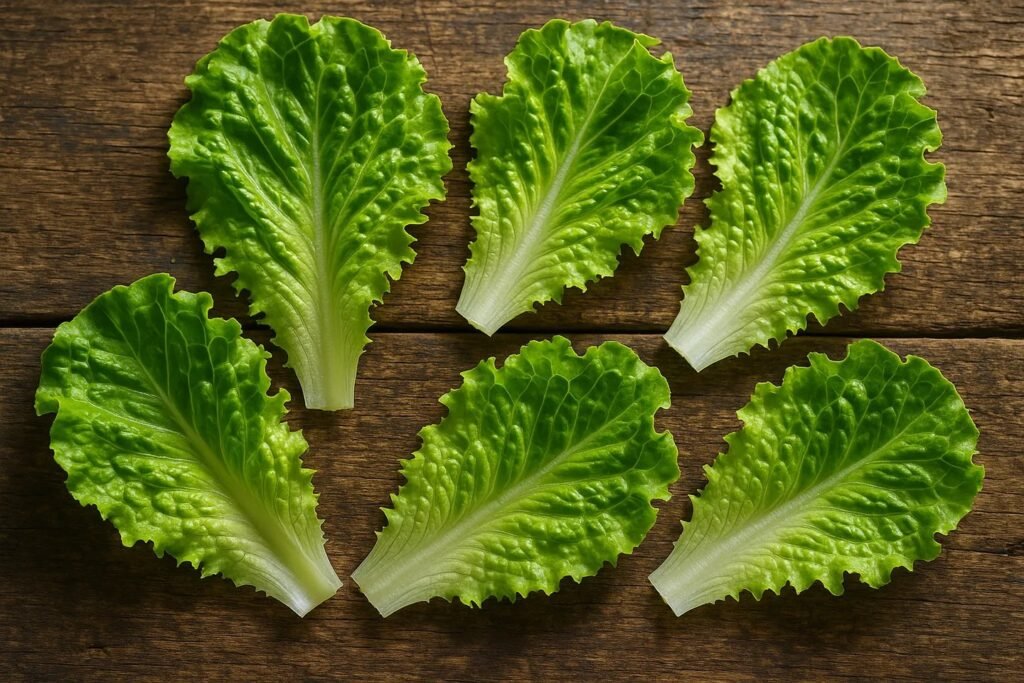
Nothing is more disappointing than opening the refrigerator to make a salad and finding a bag of limp, brown-edged lettuce. Learning how to keep lettuce fresh longer without a salad spinner is one of the easiest ways to cut food waste, save money, and actually enjoy the greens you buy. A salad spinner is a handy tool, but it is far from essential. With a few simple storage habits, your lettuce can stay crisp and fresh for a week or more using items you already have in your kitchen.
Lettuce wilts and turns brown for a few predictable reasons: too much moisture sitting on the leaves, too little moisture in the air around them, bruising from handling, and exposure to gases released by other produce. The trick is to strike a balance. Leaves need a little humidity to stay crisp, but standing water is the enemy, because it speeds up decay and turns leaves slimy. The methods in this guide manage that balance without any special equipment. You will learn how to wash and dry lettuce by hand, the paper towel method that keeps leaves crisp for days, which containers work best, and the mistakes that turn a fresh head of lettuce into compost.
Why Lettuce Goes Limp So Fast
Lettuce is mostly water, and its crisp texture comes from water pressure inside the cells of each leaf. Once a leaf loses moisture to the dry air of a refrigerator, those cells deflate and the leaf goes limp. At the same time, any water sitting on the surface of the leaves encourages bacteria and mold, which cause brown spots, slime, and off smells. So lettuce faces two opposite problems at once: it dries out in the fridge, and it rots in its own moisture.
Ethylene gas makes things worse. Some fruits and vegetables release this natural ripening gas, and lettuce is very sensitive to it. Storing lettuce next to apples, pears, avocados, tomatoes, or onions can speed up browning and wilting noticeably. Damage is another factor. A leaf that is torn, bruised, or crushed will decay much faster than an intact one, and the decay spreads to neighboring leaves. That is why gentle handling matters from the moment you bring lettuce home.
Step One: Choose the Freshest Lettuce
Good storage starts at the store. Look for heads with bright, firm leaves and no brown edges or slimy spots. The leaves should feel crisp, not soft, and the head should feel heavy for its size, which signals good water content. Avoid heads with wilted outer leaves or a brown, rusty-looking core, since those are signs the lettuce is already on its way out.
Different types of lettuce keep for different lengths of time. Romaine and iceberg are sturdy and can last up to two weeks when stored well. Butter lettuce and green leaf lettuce are more delicate and usually last about a week. Loose spring mix and baby greens are the most fragile and often last only three to five days, even with careful storage. Knowing this helps you plan: use the delicate greens first and save the romaine for later in the week.
Washing Lettuce Without a Salad Spinner
There is some debate about whether to wash lettuce before storing it or right before eating it. Either approach works, but if you wash it ahead of time, you must dry it thoroughly. Wet leaves stored in a bag will turn slimy within a couple of days.
To wash lettuce by hand, fill a large bowl or a clean sink with cold water and separate the leaves. Swish them gently in the water so dirt and grit sink to the bottom, then lift the leaves out rather than pouring the water off, which would dump the grit back onto the leaves. Repeat with fresh water if the first wash looks dirty. For a whole head of romaine or iceberg, you can run cold water between the leaves while holding the head core-side up, then shake it gently.
Drying Lettuce by Hand
This is the step a salad spinner normally handles, and it is easy to replace. After washing, give the leaves a good shake over the sink to remove the bulk of the water. Then lay them in a single layer on a clean kitchen towel or several layers of paper towels. Pat the tops gently with another towel. Let them air-dry for ten to fifteen minutes while you prepare something else.
For a faster method, place a handful of leaves in the center of a clean, dry kitchen towel, gather the corners, and swing the bundle gently outside or over the sink. The centrifugal force throws the water out just like a spinner does. Be sure to hold the bundle tightly and swing it away from anything breakable. Another option is to put the leaves in a mesh laundry bag or a clean pillowcase and swing that the same way. It looks silly, but it works surprisingly well.
The Paper Towel Method
The paper towel method is the single most effective trick for keeping lettuce fresh, with or without a spinner. Once the leaves are washed and mostly dry, lay them in a container lined with a dry paper towel. Place another paper towel on top of the leaves, then close the lid loosely or cover the container with plastic wrap with a few small holes poked in it.
The paper towel absorbs excess moisture from the surface of the leaves while the closed container keeps the surrounding air humid enough to prevent wilting. Check the towel every couple of days and replace it if it feels damp. A wet towel stops absorbing and starts contributing to the very problem it is meant to solve. With fresh towels swapped in as needed, washed romaine or leaf lettuce can stay crisp for seven to ten days.
Best Containers for Storing Lettuce
A rigid container with a lid beats a plastic bag in most cases, because it protects the leaves from being crushed every time something is placed on top of them in the refrigerator. Any food storage container with a lid will do. Line the bottom with a paper towel, add a layer of leaves, add another towel, and repeat until the container is loosely full. Do not pack the leaves down tightly; air needs to circulate a little.
If you prefer bags, a zip-top bag works too, as long as you add a paper towel and leave the bag slightly open or poke a few small holes for airflow. A fully sealed bag traps ethylene and moisture and can turn leaves slimy faster. Some people wrap a whole head of lettuce in a dry paper towel and then slip it into a bag, which is a good low-effort option for unwashed heads. Whatever container you choose, store lettuce in the crisper drawer, which is designed to hold a bit more humidity than the rest of the refrigerator.
Storing a Whole Head vs. Cut Leaves
An unwashed, uncut head of lettuce lasts longer than washed, torn leaves, because the intact leaves protect each other and there are fewer exposed edges to brown. If you do not need the lettuce right away, store the whole head as it is, wrapped loosely in a paper towel inside a bag or container. Wash and cut it only when you are ready to use it.
Once you cut or tear lettuce, the exposed edges start to oxidize and turn brown. This browning is harmless but unappetizing. A plastic knife or tearing by hand causes less browning than a metal knife, because metal can speed up the oxidation on the cut edge. If you have already cut the lettuce, the paper towel method becomes even more important, and you should plan to use it within three to five days.
How to Revive Wilted Lettuce
Limp lettuce is not always lost. A cold water soak can bring back crispness in many cases. Fill a bowl with ice water, submerge the wilted leaves, and leave them for fifteen to thirty minutes. The cells absorb water again and the leaves often firm up noticeably. This works best for romaine and iceberg; very delicate greens may be too far gone if they have already turned slimy or brown.
After soaking, dry the leaves well and store them using the paper towel method. Do not soak lettuce you plan to store for several more days, though. The revival soak is a rescue for lettuce you are about to eat, not a long-term storage step, because leaves that have been soaked and then stored again will spoil faster.
Pros and Cons of Skipping the Salad Spinner
Skipping the salad spinner has real advantages. You save counter and cabinet space, you have one less gadget to wash, and the towel-and-paper-towel approach costs almost nothing. The drying methods here are also gentler on delicate leaves than a vigorous spin, which can bruise baby greens.
The trade-off is time. A spinner dries a big batch of leaves in about thirty seconds, while towel drying takes ten to fifteen minutes of mostly passive waiting. If you wash lettuce in large batches for meal prep, that time adds up. The workaround is to wash and dry lettuce when you have a few spare minutes, such as while dinner is cooking, so the drying time does not feel like a chore.
Mistakes That Make Lettuce Go Bad Faster
One common mistake is putting soaking-wet lettuce straight into a bag and into the refrigerator. Standing water is the fastest route to slime, so always dry leaves first. Another mistake is storing lettuce next to ethylene-producing fruit in the crisper drawer. Keep apples, pears, and avocados in a separate spot.
Overpacking is another frequent error. Leaves crammed tightly into a container bruise each other, and bruised leaves rot first and spread decay to their neighbors. Give the leaves room. Storing lettuce in the coldest part of the refrigerator is also a problem: leaves that touch the back wall can freeze slightly, and frozen lettuce turns to mush when it thaws. Finally, do not wash lettuce with warm water. Warm water wilts the leaves immediately, while cold water keeps them firm.
How Long Does Lettuce Last in the Fridge
With the paper towel method and a rigid container, romaine and iceberg typically last seven to fourteen days, green leaf and butter lettuce about five to seven days, and spring mix about three to five days. An unwashed whole head lasts longer than any of these figures, often a few extra days beyond the washed version.
Use your senses to judge freshness. Fresh lettuce smells mild and green, feels crisp, and looks bright. Discard leaves that are slimy, dark brown, or smell sour or musty. A few brown edges can be trimmed away, but if the whole leaf is limp and translucent, it is past saving.
FAQs
Can I keep lettuce fresh without a salad spinner?
Yes. Wash the leaves in cold water, dry them with clean kitchen towels or paper towels, and store them in a container lined with a dry paper towel. This method keeps lettuce crisp for a week or more, often just as well as a spinner would.
How do paper towels keep lettuce fresh?
Paper towels absorb the surface moisture that causes slime and decay, while the closed container keeps the air around the leaves humid enough to prevent wilting. Replace the towel when it becomes damp, usually every two to three days.
Should I wash lettuce before storing it?
You can wash it ahead of time if you dry it thoroughly first, but an unwashed whole head lasts longest. If you wash ahead, use the paper towel method and check the towels regularly. If you are unsure, store the head whole and wash it just before use.
Why does my lettuce turn brown so quickly?
Browning is usually caused by damaged or cut edges oxidizing, exposure to ethylene gas from nearby fruit, or too much moisture sitting on the leaves. Tear leaves by hand instead of cutting with a metal knife, keep lettuce away from apples and avocados, and always dry it before storing.
Can wilted lettuce be saved?
Often, yes. Soak wilted leaves in a bowl of ice water for fifteen to thirty minutes and they will usually firm up again. This works best for sturdy types like romaine and iceberg. Slimy or brown leaves are past saving and should be discarded.
Is it better to store lettuce in a container or a bag?
A rigid container is usually better because it protects leaves from being crushed and allows a paper towel to absorb moisture evenly. A zip-top bag also works if you add a paper towel and leave the bag slightly open for airflow. Either way, store the lettuce in the crisper drawer.












1 thought on “How to Keep Lettuce Fresh Longer Without a Salad Spinner”
Comments are closed.