Nothing is quite as disappointing as reaching for a slice of bread and finding a patch of green fuzz on it. If you want to know how to keep bread from molding without preservatives, the good news is that you do not need chemical additives to get several extra days out of a loaf. Mold needs the right conditions to grow: moisture, warmth, and time. Change those conditions, and you slow mold down dramatically. With the right storage method for the type of bread you buy or bake, plus a few simple habits, you can keep bread fresh, soft, and safe to eat for much longer than most people expect.
It helps to understand what you are fighting. Mold spores are everywhere in the air, including in your kitchen. They land on bread constantly, but they only take hold when the surface stays damp and warm enough for long enough. Bread is an ideal home for mold because it is moist, starchy, and full of nutrients. Preservative-free bread is more vulnerable than supermarket bread packed with calcium propionate, because there is nothing in the dough to slow the spores down. That does not mean it is doomed — it means storage matters more, and the difference between a loaf that molds in three days and one that lasts a week often comes down to a few small choices made the moment you bring it home.
Why Bread Molds So Fast
Mold thrives in a fairly narrow range of conditions. Temperatures between roughly 70 and 90 degrees Fahrenheit are ideal for it, and most kitchens sit right in that range. Humidity matters even more than temperature: mold needs moisture to grow, and bread that sits in a sealed plastic bag traps its own moisture around the crust, creating a damp environment that mold loves. At the same time, bread that is left completely open dries out and goes stale. The trick to mold-free storage is finding the middle ground — enough airflow to keep the surface dry, but enough protection to keep the crumb from turning to cardboard.
Different breads mold at different speeds. Soft sandwich bread with a high moisture content tends to mold faster than a crusty loaf, and homemade bread, which contains no preservatives at all, usually molds sooner than a comparable store-bought loaf. Always let a loaf cool fully to room temperature, ideally on a wire rack so air circulates underneath it, before you wrap or box it — bagging warm bread traps steam that condenses on the crust and practically invites mold.
Choose the Right Storage Method for Your Bread
There is no single best way to store every loaf. The right method depends on the type of bread, how quickly you will eat it, and your kitchen conditions. Here are the main options, with honest pros and cons for each.
The Bread Box
A bread box is the classic solution for a reason. It keeps bread out of direct light and airflow while still allowing enough air circulation to prevent the surface from getting soggy. A wooden or bamboo bread box is ideal because wood absorbs a little excess moisture. Metal and ceramic boxes work too, though they can trap slightly more humidity.
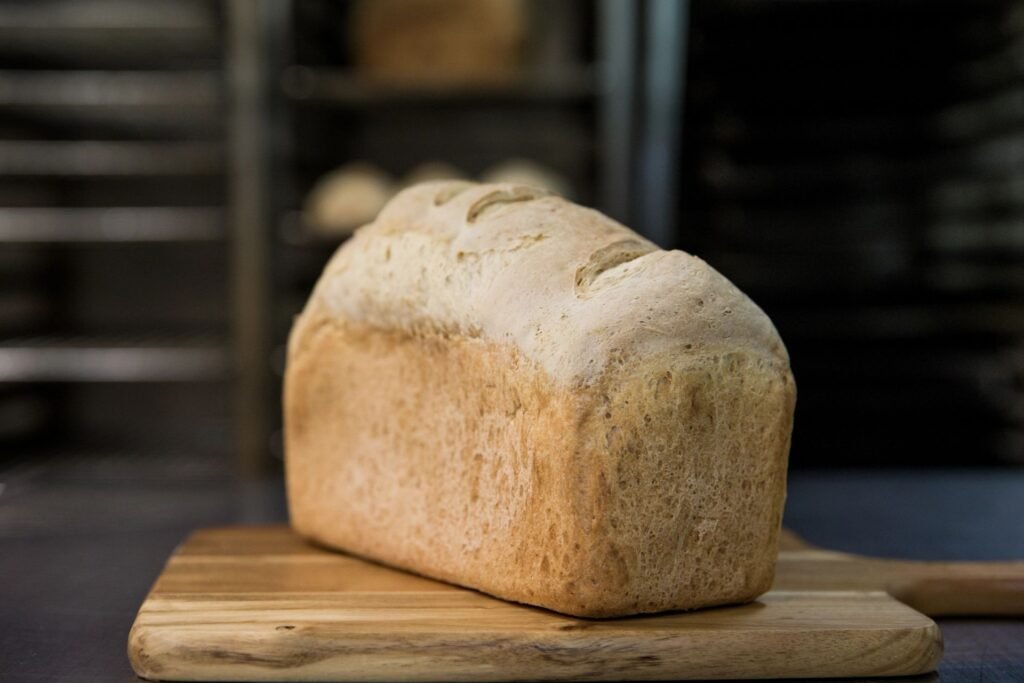
A bread box is best for crusty loaves and artisan bread that you plan to eat within three to five days. It keeps the crust crisp far better than a plastic bag, which is why bakers recommend it for sourdough and country loaves. Keep it clean, though: crumbs and old moisture feed mold, and spores from a previous moldy loaf can linger. Wipe it out every week or two and let it dry completely before putting a fresh loaf in.
Cloth Wraps and Linen Bags
A clean cotton or linen cloth is one of the simplest and most effective ways to store crusty bread. Wrap the loaf loosely in the cloth, or slip it into a linen bread bag, and set it on the counter. The fabric lets the bread breathe, so the crust stays crisp and the surface stays dry enough to discourage mold. This method works beautifully for sourdough, baguettes, and other crusty breads.
Cloth is not the best choice for soft sandwich bread, which dries out quickly when exposed to air, and it offers little protection in a very humid kitchen. Wash your bread cloth regularly — a dirty cloth carries mold spores just as surely as a dirty bread box does. Beeswax wraps are a useful step up: they mold around the loaf, block some airflow, and are washable and reusable.
Plastic Bags — Used Correctly
Plastic bags get a bad reputation, but for soft sandwich bread they are genuinely useful. A bag keeps the crumb soft by trapping moisture, which is exactly what sandwich bread needs. The problem is that the same trapped moisture encourages mold on the crust. The fix is simple: keep the bag loosely closed rather than sealed airtight, or poke a couple of tiny holes in it, so some moisture escapes. Store the bag at room temperature, not in a warm spot near the oven or on top of the refrigerator, and never reuse a bag that held a moldy loaf without washing it.
Freezing: The Best Long-Term Option
If you will not finish a loaf within a few days, freezing is the single most effective preservative-free method there is. Mold cannot grow at freezer temperatures, and bread freezes remarkably well. The key is to freeze it properly so it does not come out dry or freezer-burned. Slice the loaf before freezing if you like toast or sandwiches. Wrap the slices or the whole loaf tightly in plastic wrap, then place that inside a freezer bag and press out as much air as possible before sealing — air is what causes freezer burn.
To use frozen bread, toast slices straight from frozen — they come out nearly as good as fresh. For a whole loaf, let it thaw at room temperature still wrapped, then warm it briefly in the oven to restore the crust. Avoid thawing and refreezing repeatedly, since each cycle dries the bread out a little more. Properly frozen bread stays good for two to three months, though quality is best in the first month. Many bakers freeze half of every homemade loaf on baking day so they have fresh-tasting bread all week without racing the mold.
Step-by-Step: Storing Bread the Mold-Free Way
Here is a practical routine you can follow for any loaf, whether you baked it or bought it.
Step 1: Cool it completely. Let fresh bread cool on a wire rack until it is fully room temperature. This usually takes at least an hour for a large loaf. Bagging warm bread is the fastest way to invite mold.
Step 2: Decide your timeline. If you will eat the bread within two to three days, countertop storage in a bread box or cloth is perfect. If it will take four to seven days, freeze the extra portion now, not later — freezing bread that is already three days old preserves bread that is already three days old.
Step 3: Pick the right container. Crusty bread goes in a bread box or linen bag. Soft sandwich bread goes in a loosely closed plastic bag. Baguettes, which go stale fastest of all, should be eaten the same day or frozen.
Step 4: Keep it cool and dry. Store bread in the coolest part of your kitchen, away from the stove, dishwasher, and sunny windowsills.
Step 5: Handle it with clean, dry hands. Every time you reach into the bag, you transfer moisture and microbes. Use clean hands, and reseal or rewrap the loaf promptly instead of leaving it open on the counter.
Step 6: Check daily. A quick look and sniff each day catches mold early. If you spot a small patch, the whole loaf is affected — mold sends invisible roots deep into soft bread, so cutting off the visible spot does not make the rest safe.
Should You Refrigerate Bread?
This is one of the most debated questions in bread storage, and the honest answer is: usually no. Refrigeration slows mold growth, which sounds good, but cold temperatures also speed up staling. Bread goes stale fastest at refrigerator temperatures because the starch molecules recrystallize more quickly in the cold. The result is bread that is technically mold-free but dry, tough, and unpleasant.
There are exceptions. In a very hot, humid climate where bread molds in a day or two on the counter, the refrigerator may be the lesser evil, especially for soft sandwich bread that you will toast anyway, since toasting largely reverses the staling effect. For crusty bread you plan to eat plain, though, the counter or the freezer will serve you better than the fridge.
If you do refrigerate bread, keep it tightly wrapped so it does not pick up odors from other food, and expect to toast or warm it before eating for the best texture.
Storage Tips for Specific Types of Bread
Sourdough and crusty artisan loaves: Store cut-side down on a cutting board, or in a bread box or linen bag. These loaves keep three to five days on the counter thanks to their acidity and thick crust. If you want more detail on keeping this style of bread at its best, see our guide on keeping sourdough bread fresh without a bread box.
Soft sandwich bread: Keep it in its bag, loosely closed, at room temperature. It usually lasts four to seven days. Freeze the second half of the loaf if you buy in bulk.
Baguettes and rolls: These have a high crust-to-crumb ratio and go stale within hours. Buy them the day you need them, or freeze them immediately and re-crisp in the oven.
Homemade bread: With no preservatives at all, homemade loaves are the most vulnerable. Eat within two to three days, or freeze half on baking day. A clean bread box and a linen bag are your best countertop tools.
Tortillas and flatbreads: These mold quickly once opened because they are thin and moist. Keep them sealed in the refrigerator after opening, and freeze extras.
Mistakes That Invite Mold
Storing bread in a warm spot. On top of the refrigerator, next to the oven, or in a sunny corner all raise the temperature around the loaf and speed mold growth. A cool pantry shelf is far better.
Leaving the bag open all day. An open bag dries bread out, but repeatedly opening and closing a bag in a humid kitchen lets damp air in. The better habit is to take what you need and close the bag right away.
Buying more than you can eat. The simplest mold prevention of all is buying the right amount. A smaller loaf eaten fresh beats a large loaf that molds halfway through, every time.
Storing bread in the original paper bag from the bakery. Paper bags are fine for the trip home, but they offer little protection against drying out or humidity. Transfer the loaf to a bread box, cloth, or bag once you get home.
What to Do When Bread Starts to Mold
Once you see mold on soft bread, the safe move is to throw the whole loaf away. Mold’s thread-like roots penetrate deep into soft, porous foods, and the visible patch is only the tip. Eating moldy bread can cause stomach upset, and some molds produce compounds you do not want to ingest. It is never worth saving a few slices. Clean the container thoroughly before putting fresh bread in it, since spores linger on surfaces.
Stale bread, by contrast, is not unsafe — it is just dry. Stale bread makes excellent croutons, breadcrumbs, French toast, bread pudding, and panzanella salad. To revive slightly stale bread, sprinkle it lightly with water and warm it in the oven for a few minutes.
Natural Ingredients That Slow Mold
If you bake your own bread, a few natural ingredients can buy you extra time without resorting to commercial preservatives. Sourdough starter is the best known: the lactic acid bacteria in a starter lower the dough’s pH, and mold grows more slowly in acidic conditions. That is a big part of why sourdough keeps longer than a straight yeast loaf. A small amount of vinegar or lemon juice in the dough has a similar mild effect, though too much will change the flavor. None of these replaces good storage — think of them as a small bonus on top of proper cooling, wrapping, and freezing.
FAQs
How long does preservative-free bread last on the counter?
Most preservative-free bread lasts two to five days on the counter, depending on the type. Crusty sourdough often makes it to five days, while soft homemade bread may start molding in two to three days in a warm kitchen. Freezing extends that to months.
Does a bread box really prevent mold?
A bread box does not prevent mold outright, but it slows it down by keeping the loaf in a stable, moderately ventilated environment away from excess humidity and direct heat. Combined with proper cooling and a clean box, it typically adds a day or two compared with leaving bread out in the open.
Can I eat bread if I cut off the moldy part?
For soft bread, no. Mold roots spread invisibly through the porous crumb, so the rest of the loaf may be contaminated even where you cannot see mold. Discard the whole loaf to be safe.
Is it better to freeze bread sliced or whole?
Sliced is more convenient because you can take out exactly what you need without thawing the whole loaf. Whole loaves freeze well too and re-crisp nicely in the oven, but once thawed they should be eaten within a day or two.
Why does my bread mold faster in summer?
Warmth and humidity are the two biggest drivers of mold growth, and both rise in summer. In hot, humid weather, move bread to the coolest spot in your kitchen and freeze any loaf you will not finish within a couple of days.
Does putting bread in the refrigerator keep it mold-free?
Refrigeration does slow mold, but it also makes bread go stale faster. It is a reasonable trade-off for soft sandwich bread you plan to toast, but for crusty bread the freezer or the counter will give you better texture.