
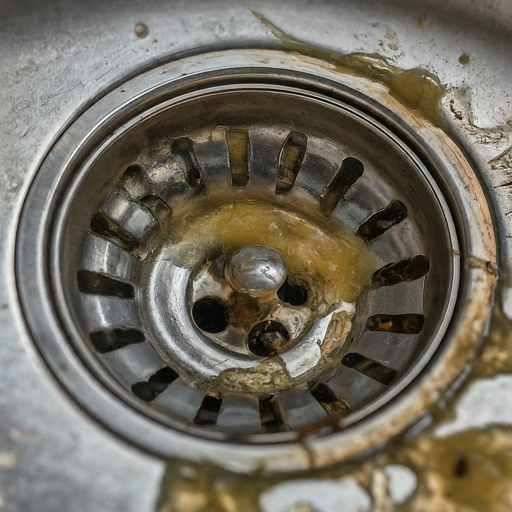
A slow or standing drain is miserable, but you can absolutely learn how to unclog a drain without a plunger or snake. Most clogs are built from ordinary stuff — grease, soap scum, hair, and food debris — and several household methods dissolve or dislodge them without any special tools. The key is matching the method to the clog: a greasy kitchen sink needs a different approach than a hair-clogged shower drain. Work through the techniques below from gentlest to strongest, and you will clear the vast majority of clogs yourself.
First: Figure Out What Kind of Clog You Have
Two minutes of diagnosis saves a lot of wasted effort.
Kitchen sink clogs
Usually grease, cooking oil, and food particles. Water drains slowly or backs up when the disposal runs. Grease is the main enemy here, and heat is your best weapon.
Bathroom sink, tub, and shower clogs
Usually hair combined with soap scum. The drain may gurgle, or water pools around your feet in the shower. These clogs are mechanical — a ball of hair and soap — so chemical fizzing works less well and physical removal works best.
Slow drain versus full blockage
If water still trickles through, gentler methods like hot water and baking soda have a good chance. If nothing drains at all, skip straight to the stronger techniques like the P-trap cleanout.
Safety and Prep Before You Start
- Never mix drain products. If you have already poured a chemical cleaner down the drain, do not add anything else — especially vinegar, bleach, or other chemicals. Toxic fumes are a real hazard.
- Protect your hands and eyes. Wear rubber gloves and keep your face away from the drain opening when hot water or fizzing mixtures go down.
- Clear the area. Remove everything from under the sink and put a bucket and old towels down before you start, especially for the P-trap method.
- Ventilate. Open a window or run the exhaust fan.
7 Ways to Clear a Clog Without a Plunger or Snake
1. Boiling Water (Best First Step)
Bring a full kettle to a rolling boil and pour it down the drain in two or three stages, pausing about thirty seconds between pours so the heat can work on the clog. Boiling water melts grease and softens soap buildup, and for a fresh, mild clog it is often all you need. Repeat two or three times. One caution: if you have PVC pipes, let the kettle cool for a minute before pouring — truly boiling water can soften plastic pipe joints. For metal pipes, pour with confidence.
2. Dish Soap and Hot Water (For Greasy Kitchen Sinks)
Squeeze a generous amount of dish soap — about half a cup — directly into the drain, then follow with a kettle of hot (not necessarily boiling) water. Dish soap is a degreaser designed to cut through exactly the kind of film lining your pipes. Let it sit for fifteen minutes, then flush with more hot water. This method shines for kitchen sinks where cooking grease is the culprit, and it is gentle enough to try before anything else.
3. Baking Soda, Vinegar, and Hot Water
Pour one cup of baking soda down the drain, followed by one cup of white vinegar. Cover the drain with a plug or rag to keep the fizzing reaction directed downward into the clog rather than bubbling up at you. Wait fifteen to thirty minutes, then flush with a kettle of hot water. The fizzing action loosens grime and deodorizes at the same time. This works best on mild to moderate clogs and as maintenance — it will not dissolve a solid ball of hair, but it handles grease and soap film well.
4. Salt, Baking Soda, and Hot Water
Mix half a cup of table salt with half a cup of baking soda and pour the dry mixture down the drain. Let it sit for at least fifteen minutes — overnight is even better — then flush with boiling water. The salt acts as a mild abrasive that scours the inside of the pipes while the baking soda loosens buildup. This is a quiet, chemical-free option that works surprisingly well on bathroom sinks with soap-scum buildup.
5. The P-Trap Cleanout (Most Effective for Stubborn Clogs)
The P-trap is the curved section of pipe directly under your sink, and it is where many clogs actually live. You do not need tools beyond your hands and a bucket:
- Place a bucket under the trap and put down towels.
- Unscrew the slip nuts on either side of the curved section by hand (counterclockwise). Most modern traps are hand-tightened plastic — no wrench needed.
- Let the water and debris fall into the bucket, then pull out whatever is clogging the trap — often a mass of hair, grease, or food.
- Rinse the trap section in the bucket, then screw it back on hand-tight.
- Run hot water for a minute to check the flow.
This method physically removes the clog instead of trying to dissolve it, which makes it the most reliable technique on this list for severe blockages. It looks intimidating the first time, but it is genuinely a five-minute job.
6. A Wet/Dry Vacuum (If You Own One)
A shop vacuum can pull a clog out from above. Set it to liquid mode, create as tight a seal as you can around the drain with the hose and an old rag, and run it for a minute or two. It often sucks the clog right out. This is especially useful for bathroom drains where the blockage is near the surface. Never use a regular household vacuum for this — only a wet/dry model rated for liquids.
7. Enzyme Drain Cleaner (The Overnight Fix)
Unlike harsh chemical drain openers, enzyme-based cleaners use bacteria that eat organic matter — grease, soap, food — without damaging pipes. Pour it in before bed and let it work overnight. It will not clear a fully blocked drain quickly, but for slow drains and recurring buildup it is one of the safest long-term solutions, and it is safe for septic systems. Think of it as the slow-but-steady option when you can afford to wait.
A Special Note on Toilets
Toilet clogs without a plunger are trickier, but not hopeless. Squirt a generous amount of dish soap into the bowl, then add a bucket of hot (not boiling — porcelain can crack) water poured from waist height. The force of the falling water plus the soap’s lubricating effect often clears a mild clog. Wait ten minutes and try flushing once. If the bowl is already full to the brim, skip the water and just use soap and patience. Do not keep flushing a clogged toilet — that is how bathrooms flood.
What NOT to Do
- Do not mix chemical cleaners. Bleach plus vinegar, or bleach plus ammonia-based products, creates dangerous gases. If one product fails, flush thoroughly with water and wait before trying anything else.
- Do not use boiling water on a toilet. Thermal shock can crack porcelain.
- Do not ram random objects down the drain. A straightened wire hanger can scratch pipes and push the clog deeper. The P-trap method removes the blockage far more effectively.
- Do not ignore a clog in multiple fixtures. If the sink, tub, and toilet all drain slowly at once, the problem is likely in the main line — that is a job for a plumber, not a home remedy.
- Do not pour grease down the drain “just this once.” It solidifies in the pipes and becomes the next clog.
Keep Your Drains Clear Going Forward
- Use drain strainers. A two-dollar mesh strainer in the shower and kitchen sink catches hair and food before they enter the pipes.
- Flush with hot water weekly. A kettle of hot water down each drain once a week melts grease before it accumulates.
- Wipe greasy pans before washing. Paper-towel the grease into the trash instead of rinsing it down the sink.
- Clean the stopper and drain cover. Hair wraps around pop-up stoppers and drain covers — pull them out and clean them monthly. Regular attention to fixtures like this is part of the same bathroom cleaning routine that keeps soap scum and mineral buildup from narrowing your drains.
- Run the garbage disposal with cold water. Cold water keeps grease solid so the disposal can chop it up; hot water just melts it further down the line.
If you are doing a bigger home reset, it helps to tackle the whole space at once — our decluttering guide and deep-cleaning guide walk through the same kind of systematic approach for the rest of the house.
When to Call a Plumber
Call a professional if water backs up in multiple fixtures, if you smell sewage, if the clog returns within days of clearing, or if you suspect tree roots or a collapsed pipe. Also call one if you have already tried chemical drain cleaners and they failed — tell the plumber what you used so they can work safely.
Frequently Asked Questions
Will baking soda and vinegar really unclog a drain?
For mild to moderate clogs made of grease and soap scum, yes — especially followed by hot water. It will not dissolve a dense hairball or a solid obstruction, but it is a safe and effective first attempt.
Is it safe to pour boiling water down the drain?
For metal pipes, yes. For PVC pipes, let the water cool for a minute or two first, since sustained boiling temperatures can soften plastic joints. Never pour boiling water into a toilet.
How do I unclog a shower drain full of hair?
Remove the drain cover and pull out visible hair first. Then try the P-trap-style approach for tubs — remove and clean the stopper mechanism — or use an enzyme cleaner overnight. Hair clogs respond better to physical removal than to dissolving.
Can I use a chemical drain cleaner instead?
You can, but treat it as a last resort: harsh chemicals can damage older pipes, harm septic systems, and create dangerous situations if a plumber later has to work on the drain. Enzyme cleaners are the safer alternative.
Why does my drain keep clogging in the same spot?
Recurring clogs usually mean buildup is narrowing the pipe or the trap design catches debris. Clean the P-trap thoroughly, install a strainer, and flush with hot water weekly. If it still returns, a plumber can inspect for deeper pipe issues.
How long should I wait between methods?
Flush thoroughly with hot water between attempts, and give each method fifteen to thirty minutes to work. Rushing from one chemical to another without flushing is how dangerous reactions happen.