
The Arunachal government has finally agreed to talk — but not before silencing one of the loudest voices opposing the Siang Upper Multipurpose Project.

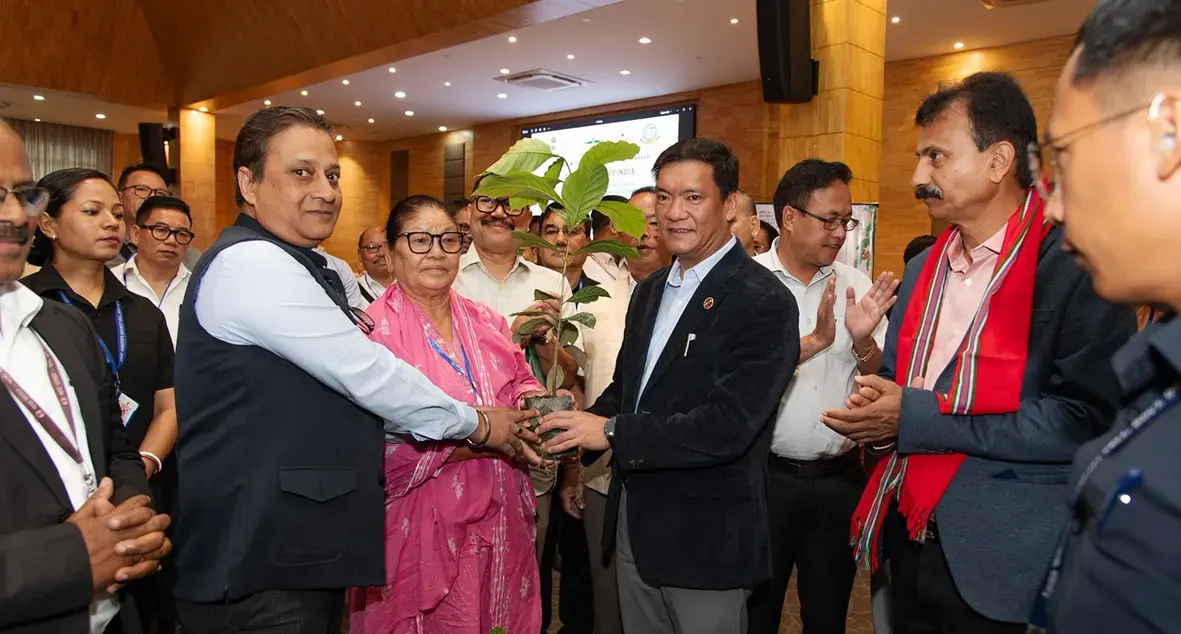
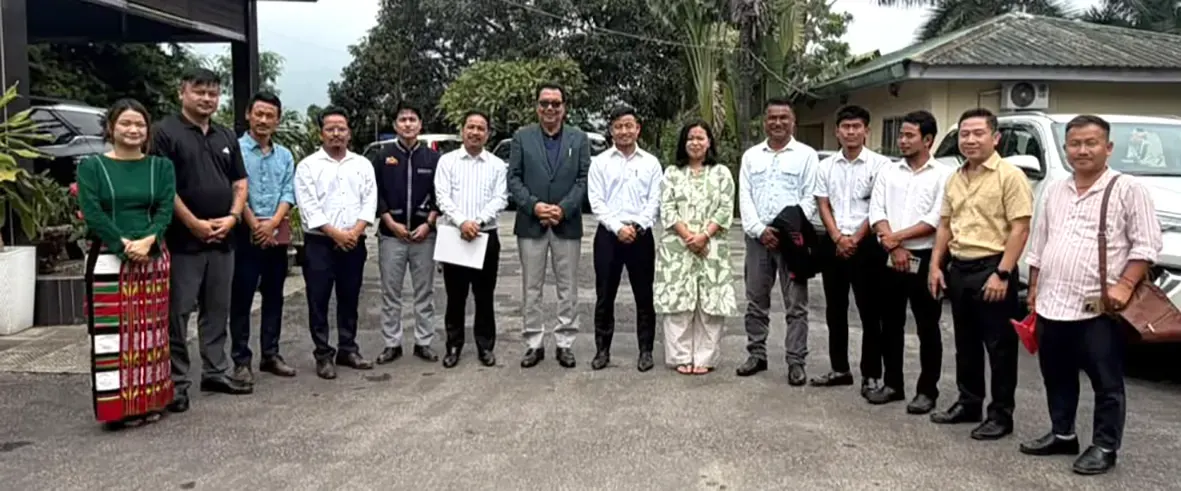
ITANAGAR, October 3 — Something interesting happened this week in Arunachal Pradesh. After Chief Minister Pema Khandu completed a tour of Upper Siang and Siang districts — a visit that drew massive protests, road blockades, and a near-complete shutdown by the very people he was supposedly visiting — the state government wrote a letter. It invited 15 delegates of the Siang Indigenous Farmer’s Forum (SIFF) to Pasighat for what it described as “important discussions on vital issues in the presence of MP and legislators of the Adi community.”
The meeting is scheduled for October 5 in East Siang’s Pasighat.
On the surface, it reads like a step toward dialogue. But dig a little deeper and the picture gets complicated fast.
SIFF is one of the most prominent organisations opposing the pre-feasibility report (PFR) study for the Siang Upper Multipurpose Project, the proposed mega hydropower dam that has turned the Siang valley into a pressure cooker of tension. The government’s push to complete the PFR by the end of this year has been met with fierce resistance from the indigenous Adi community, whose land, rivers, and livelihoods sit squarely in the project’s path.
During Khandu’s recent two-day visit to the two districts, he did not meet a single citizen from the affected communities. He spoke to government officers. He interacted with some students. That’s it. The people at the heart of this conflict — the ones blocking roads and raising voices — were not part of any conversation. So when the government now writes to SIFF asking for a sit-down, many in the region are asking a reasonable question: is this genuine outreach, or is it an attempt to manage optics ahead of a decision that has already been made?
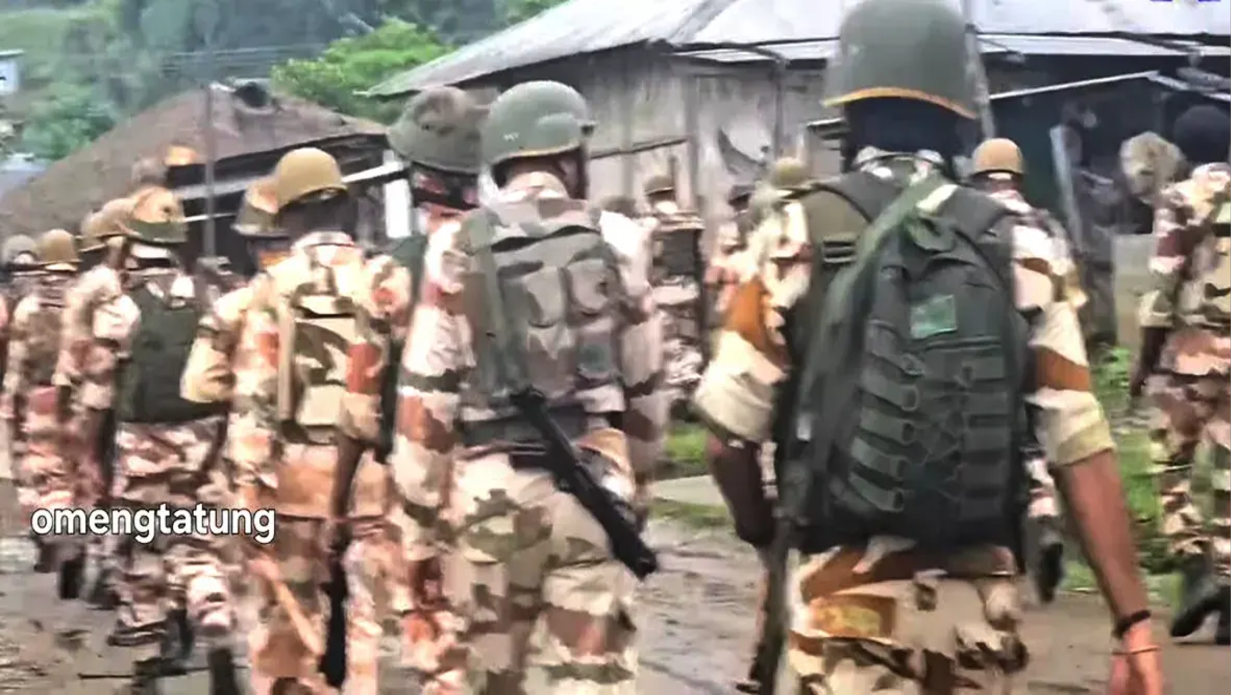
The government’s own actions on the ground do little to inspire confidence. Armed police forces have been deployed across the area in preparation for the PFR study. Reports suggest the deployment has intensified, though the state government has not officially confirmed the numbers. Villagers in Geku — one of the epicentres of resistance — say that on Saturday, the security presence was visibly heavy. An entire village, standing firm against what they see as the militarisation of their homeland, and the response is more boots on the ground.
That’s the backdrop against which this Pasighat meeting has been called. Whatever comes out of it, the optics of inviting people to talk while surrounding their villages with armed forces is difficult to reconcile.
And then there’s the matter of Ebo Mili.
Mili is a well-known activist and one of the most vocal critics of the SUMP project. He has paid a price for it before — he has been detained, and at least on one occasion was denied permission to travel abroad. None of that has quietened him. He has continued to use social media, particularly Facebook, as a platform to raise awareness about the project and its potential impact on the Adi community.
This week, his Facebook account was suspended in India.
Mili confirmed it himself. He also confirmed he was not the only one — at least two accounts critical of the government’s SUMP push have been withheld.
In a statement, Mili was blunt about what he believes is happening. He said the authorities know very well that social media is one of the most powerful tools available for reaching the public today. He said he had used his account solely to raise awareness about the SUMP. And he said the restriction appeared deliberate — that the government seems determined to push ahead with the PFR by any means necessary.
He didn’t stop there. “Should I be arrested in the future, I will not be surprised,” he said.
That’s not the kind of statement a person makes lightly. That’s someone who has been through the system before, who knows what the government is capable of, and who is choosing to continue speaking anyway.
What does it mean when a state government simultaneously invites an organisation for dialogue and suspends the social media accounts of people criticising its policies? It means the two tracks — engagement and suppression — are running at the same time. One is visible, even reassuring. The other is quiet, happening in the background where fewer people notice.
The Pasighat meeting on October 5 will be watched closely. SIFF will have to decide how to approach it. Do they go, knowing the PFR timeline has not changed? Do they use the table as leverage? Or do they see it as a stage where the government performs dialogue while the machinery to proceed keeps moving?
These are not easy choices for a community that has been protesting, resisting, and losing friends to suspensions and detentions. But one thing is clear — the Siang region is not settling down. If anything, the tension has only tightened.
When a government begins silencing dissent at the same time it opens a door for talks, it is worth asking which one it actually means.