
Amid road blockades and simmering anger, Arunachal’s Chief Minister personally travels to one of the state’s most tense flashpoints — and makes a promise that has people both listening and wondering.
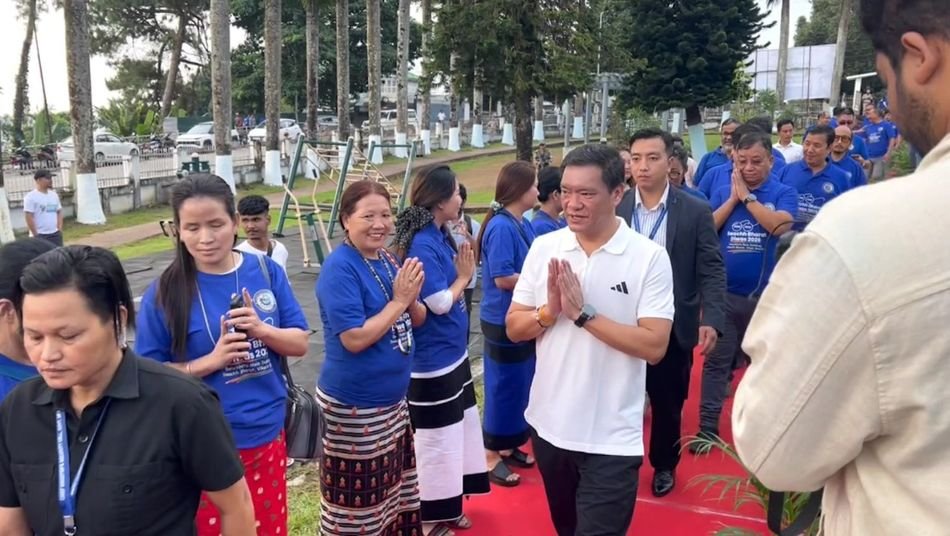
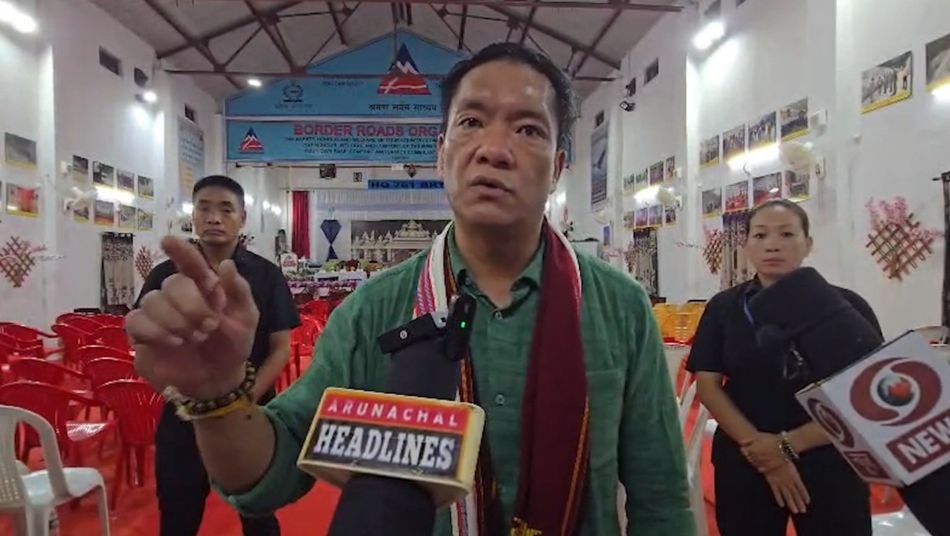
Pema Khandu did not send a minister. He went himself.
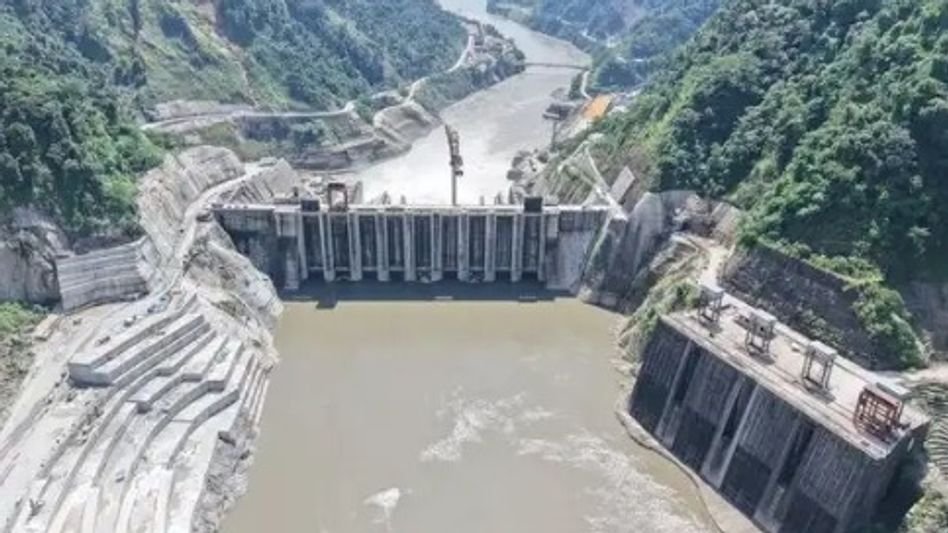
On Wednesday, Arunachal Pradesh’s Chief Minister arrived in Siang and Upper Siang districts — right in the thick of protests that have been boiling for weeks over the proposed Siang Upper Multipurpose Project (SUMP). Villagers have blocked roads, stopped machinery from moving and made it abundantly clear they do not want a dam anywhere near their land. Khandu’s message to them was direct: slow down, let’s talk, and understand what is actually being proposed here.
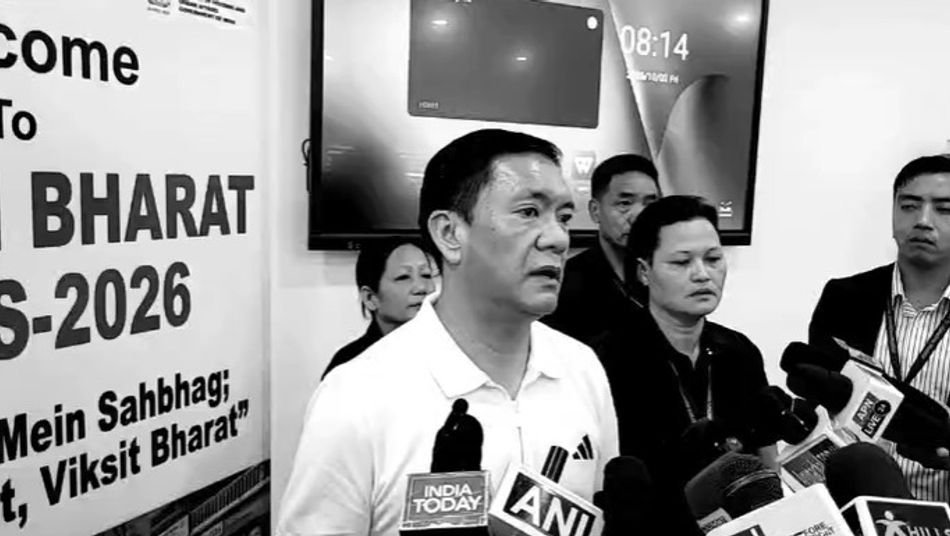
“This dam is not going to be built. This is only for PFR,” he said during an interaction in Upper Siang, referring to the Pre-Feasibility Report that the government wants to conduct before anything else moves forward. The PFR, he explained, is a study — nothing more. A few boreholes drilled at select locations, rock samples collected, sent to a lab. Two to three months of work. That’s it.
“The farm will not be destroyed, your house will not be destroyed, the forest will not be destroyed, nothing will be destroyed,” Khandu told residents, laying out in plain terms what the PFR actually involves. He was trying to cut through the noise, and you could sense both the urgency and the genuine frustration behind his words. Because the protests haven’t just been peaceful demonstrations — sections of the indigenous Adi community, particularly in villages like Geku and Komkar, have allegedly damaged property and blocked roads used by other communities too.
That part clearly stung the CM. He was careful to separate the right to protest — which he fully acknowledged as democratic — from what he called unacceptable violence. “You can be negative about the project. In democracy… But it does not mean that you have the right to go to another village, damage its property, destroy the road built by the government, break the water supply or irrigation channel,” he said, pointedly.
He also revealed something that added texture to the conflict: more than 100 households in Geku had earlier signed in support of allowing the PFR survey to proceed. But some of them, he alleged, were later intimidated and had their properties damaged. Two communities, same geography, very different positions — and pressure being applied from both directions.
Khandu went further, making what amounts to a significant political assurance. He said that even after the PFR, if the people do not want the project to go ahead, the government will not force it. He offered to sign on that. Whether people take that at face value will depend a great deal on the trust — or lack of it — that has built up over the years around mega dam projects in this region.
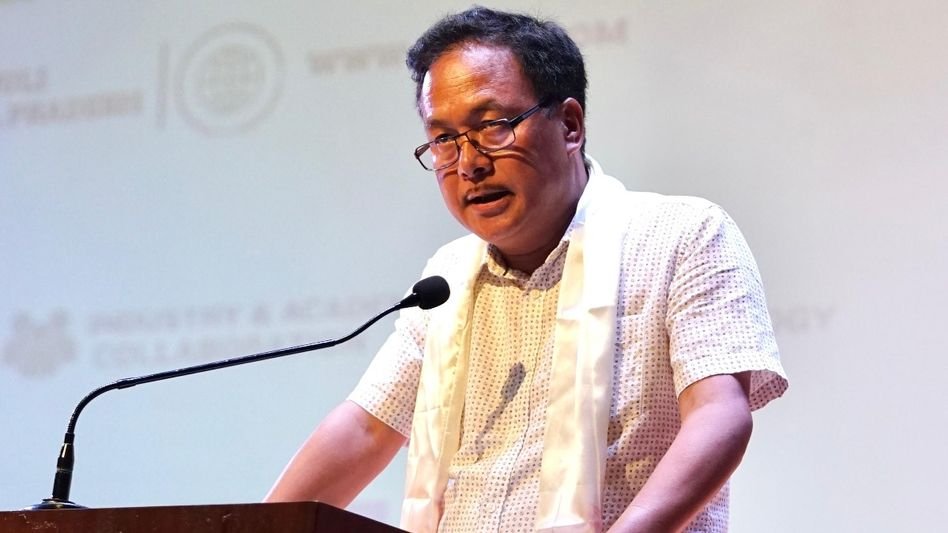
The Centre declared SUMP a National Project back in 2008, so the strategic weight behind it is real. Deputy Chief Minister Chowna Mein, who handles the hydropower portfolio, is expected to spend about a week in the area for further consultations. Khandu said he himself would visit Geku and sit down directly with villagers.
The state has also formed a high-level committee under Minister Ojing Tasing to oversee the PFR process. But as of now, not a single drill has touched the ground at the proposed sites.
The conversation has started. What happens next in the hills of Upper Siang will tell us whether a report on paper can hold back years of distrust — or whether this is only the beginning of a much longer fight.