
On Gandhi Jayanti, Arunachal Chief Minister Pema Khandu launched a GPS-enabled app that lets residents track garbage trucks in real time. Itanagar’s streets may never look the same again.
There’s a certain symbolism in choosing Gandhi Jayanti to talk about cleanliness. October 2 has always carried that weight — the Mahatma’s legacy, Swachh Bharat, the annual promises about a cleaner India. But this year in Itanagar, Chief Minister Pema Khandu did something that went beyond speeches. He launched an app that could actually change how the city handles its garbage problem, and that’s not nothing.
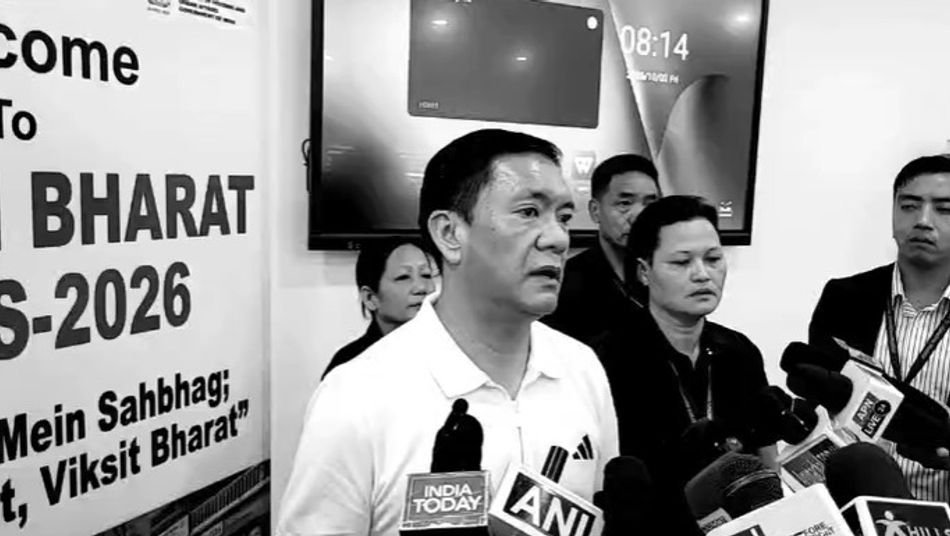
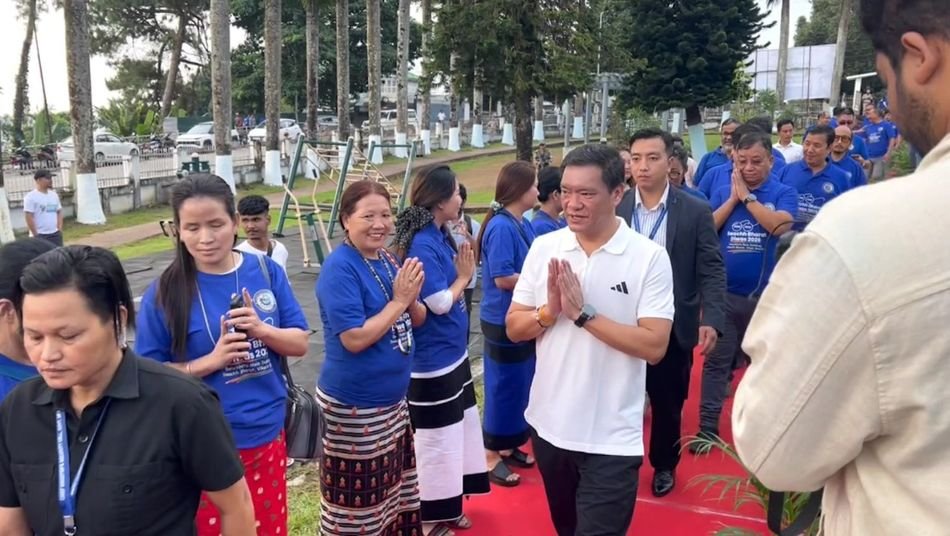
The application, built by the Itanagar Municipal Corporation (IMC), was unveiled on October 2 as part of Swachh Bharat Diwas 2026 under the Swachhata Hi Seva campaign. The launch took place at the Banquet Hall in Niti Vihar, with Chief Secretary Manish Gupta, Itanagar MLA Techi Kaso, IMC Mayor Likha Nari Tadar, and Deputy Mayor Tok Tebin Camdir among those present.
Before the formal programme, Khandu paid homage to Mahatma Gandhi at Gandhi Udyan Park in Niti Vihar — a quiet, meaningful moment before an otherwise tech-forward afternoon.
So what exactly does this app do? Quite a bit, actually. The new IMC app uses GPS technology to track garbage collection vehicles in real time. Residents will be able to check the location of sanitation vehicles and hand over their waste when a collection truck is nearby. That alone solves one of the most common complaints people have — waiting around with a bag of rubbish, having no idea whether the truck already came and went, or is still twenty minutes away.
But it doesn’t stop there. The app also allows citizens to report overflowing garbage bins by uploading photographs. These complaints will be sent to the IMC dashboard so that the concerned teams can respond and clear the waste. Anyone who has lived in or visited Itanagar knows that overflowing bins are a real, visible problem — and having a direct, photo-based complaint mechanism puts the pressure where it belongs: on the authorities to respond, and quickly.
There’s also a built-in accountability feature that’s worth paying attention to. Another feature records photographs of a location before and after waste is cleared, allowing officials to monitor whether reported complaints have been addressed. That kind of before-and-after documentation makes it harder for anyone to mark a complaint as resolved without actually doing the work. It’s a small but smart safeguard.
Sharing details on social media, Khandu described the app as making waste collection “smarter, faster and more responsive.” That’s a clean three-word summary — and for a city that has struggled with sanitation infrastructure, the bar isn’t impossibly high. Getting faster and more responsive would already be a genuine improvement.
The chief minister also urged residents to make cleanliness part of their daily lives, calling for greater public participation in keeping Itanagar clean. He said maintaining a clean city could not be achieved through government efforts alone and required residents to work alongside civic authorities.
That part matters just as much as the technology. An app is only as useful as the people willing to use it. If residents report problems, the system works. If they don’t, it’s just another dashboard sitting idle somewhere in an IMC office.
Technology won’t fix everything on its own — but giving people a direct line to hold the system accountable is a genuine step forward. Itanagar’s garbage problem didn’t build up overnight, and it won’t disappear overnight either. But at least now, residents have a tool in their hands. Whether the city actually becomes cleaner depends on what everyone does next.