
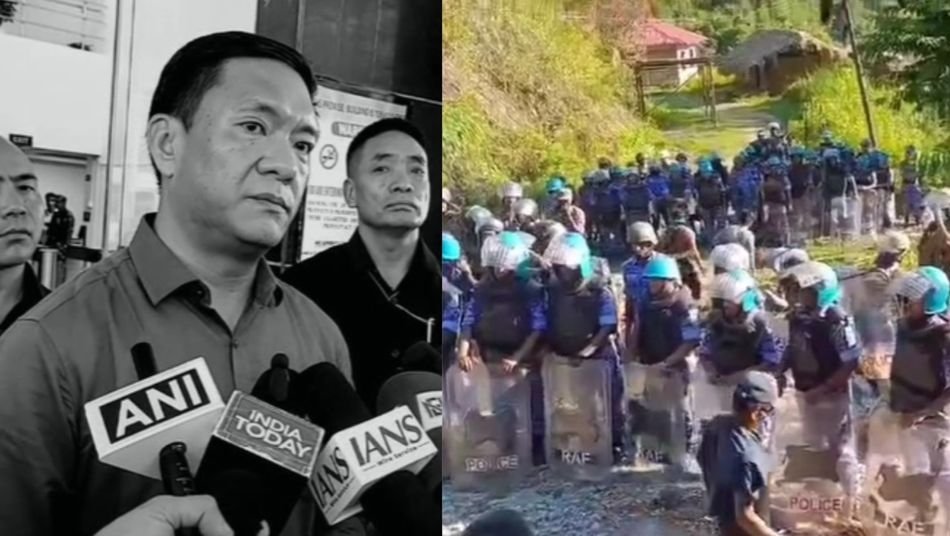
Pema Khandu says the government will not push the SUMP against the people’s will. Yet roads are blocked, four villagers were detained, and security is pouring in. Something doesn’t add up.
The Chief Minister of Arunachal Pradesh says he won’t use force. But try telling that to the villagers of Geku, who spent Monday blocking roads, confronting security personnel, and demanding that armed forces leave their land.
That’s the reality on the ground as Pema Khandu embarks on a two-day Siang Belt Tour — visiting Boleng in Siang district and Yingkiong in Upper Siang — even as communities across the Siang Valley are burning with opposition to the proposed Siang Upper Multipurpose Project, widely known as SUMP.
The timing of this visit is not a coincidence. And the people of Siang know it.
Residents in both Upper Siang and Siang districts have been pushing back hard against the government’s plans to conduct pre-feasibility report (PFR) activities for the massive dam project. In Geku, villagers reportedly made it clear they don’t want the Chief Minister’s visit — not because they’re against him personally, but because they believe the tour is tied directly to the SUMP agenda and the pre-feasibility work the government is trying to fast-track.
Their suspicion doesn’t seem unfounded.
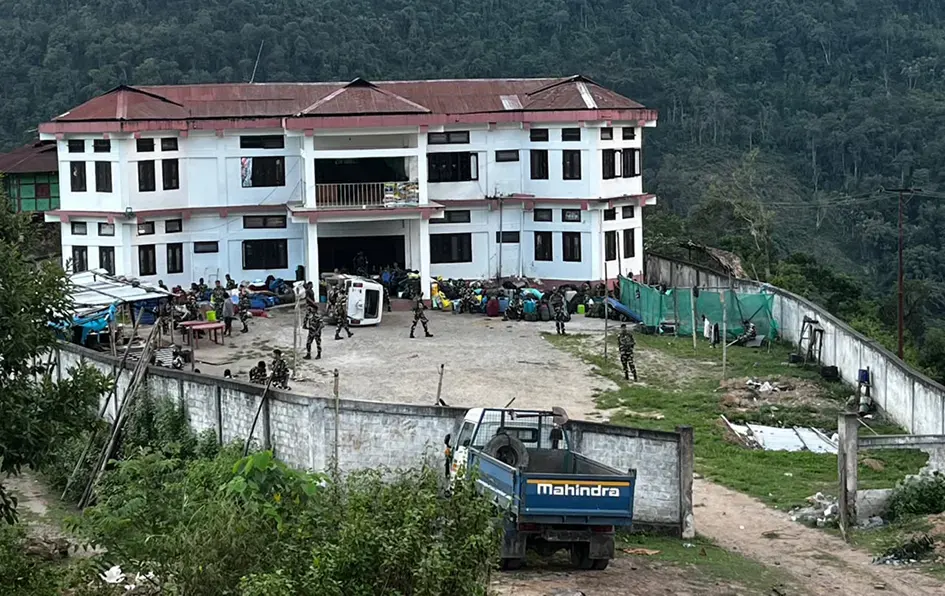
Security deployments in Geku ramped up sharply before the visit. Additional personnel were stationed across the area. A hostel at Geku Government College — which hasn’t even been allocated to students yet — was reportedly used to house security forces, with more deployments expected. When you turn a college hostel into a barracks before a “tour,” it’s hard to call that just a routine visit.
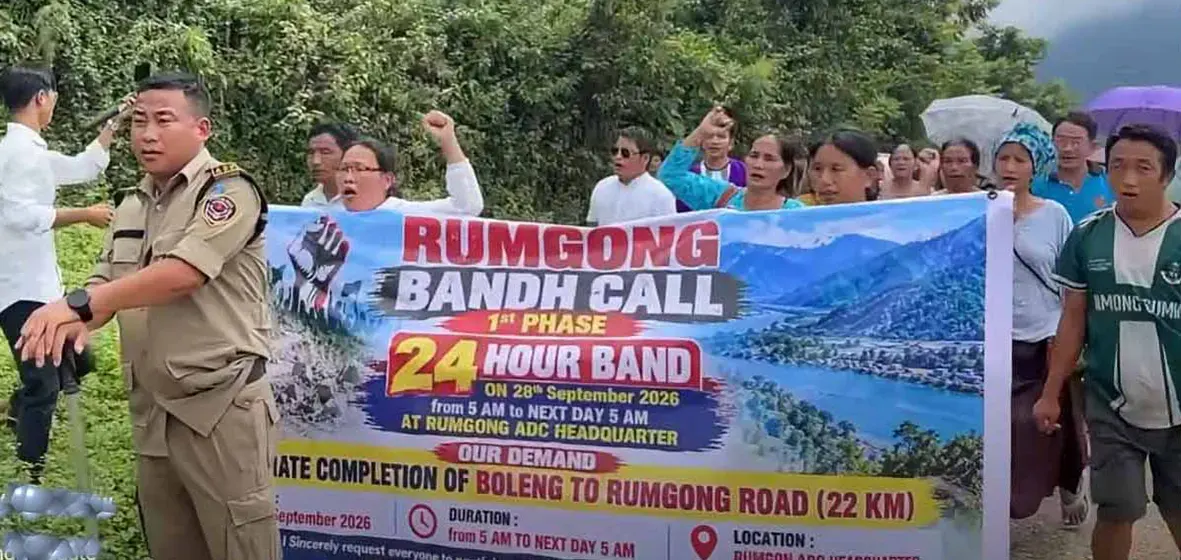
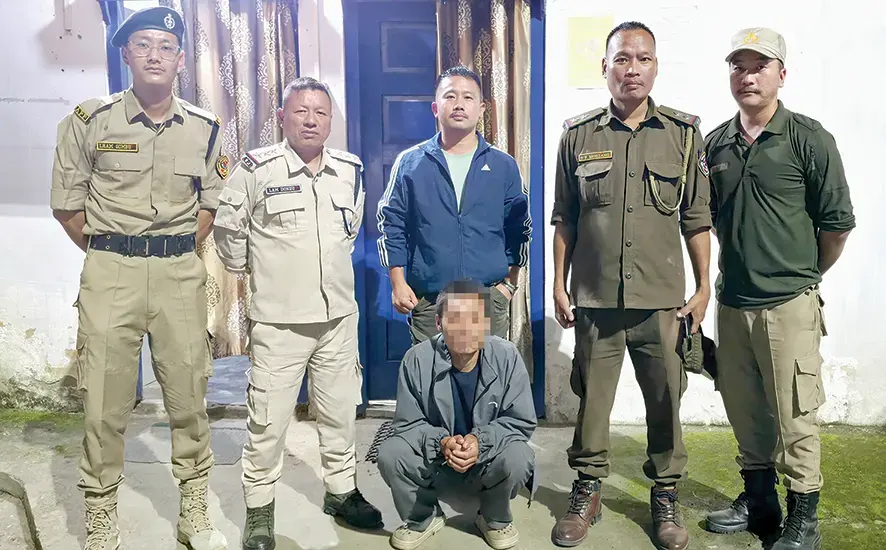
The protests didn’t stay quiet. Villagers put up road blockades. They confronted security forces at multiple locations and asked them to pack up and leave. Things escalated. Government vehicles were allegedly damaged during the clashes. After that, Yingkiong Police detained four people for questioning.
The four were later released after a police inquiry. The Superintendent of Police, Upper Siang, urged residents to stay calm and cooperate with authorities. That appeal is understandable — but it’s also an appeal that lands differently when it comes in the middle of a security buildup that locals never asked for.
Khandu has been consistent in his reasoning for why SUMP matters. He points to China’s plans to build a mega hydropower dam on the Yarlung Tsangpo — the river that flows into India as the Siang. He’s called the Chinese project a potential “water bomb” threatening downstream communities. His argument: India needs its own counter-project to manage the risk.
It’s a nationally strategic argument. It’s also one that does very little to comfort an Adi family living along the Siang whose ancestral land and way of life hang in the balance.
Khandu has maintained repeatedly that the state government will not force the project on people against their will. He says the security deployment is about maintaining law and order and protecting workers and equipment — not silencing protests. That may well be the intent. But when a hostel fills with forces before a dam feasibility survey, the line between “law and order” and “project enforcement” starts to blur fast.
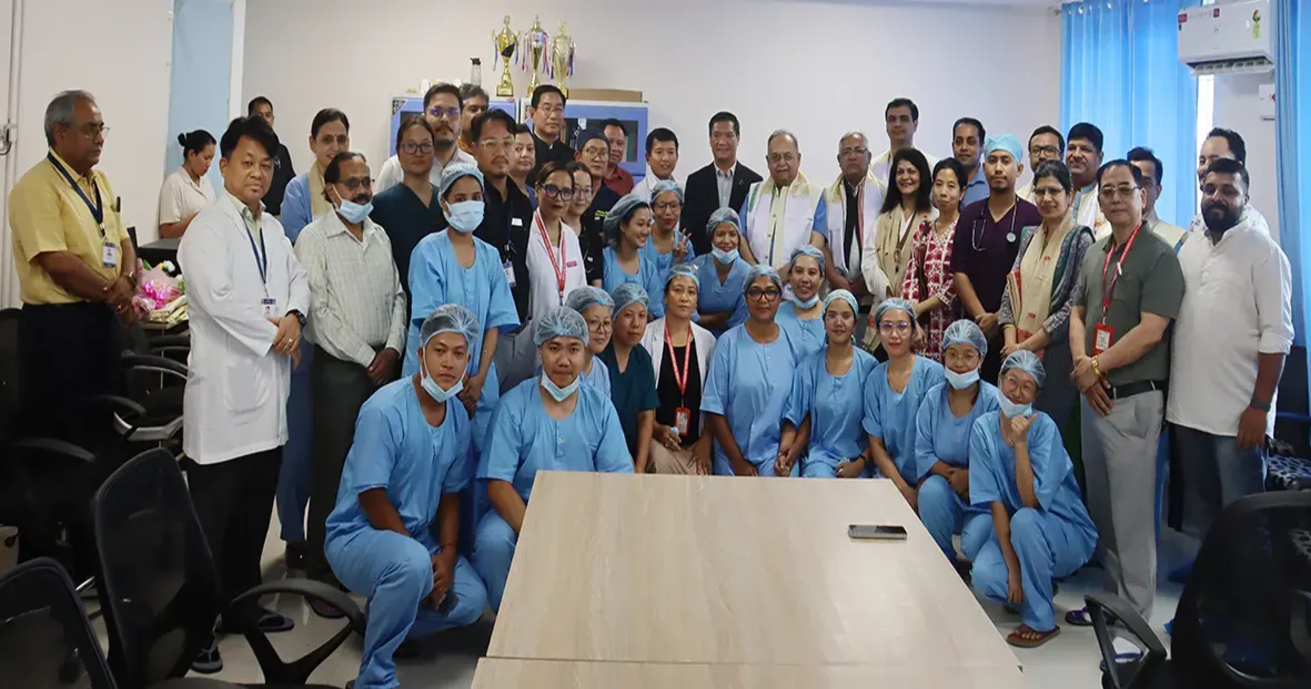
Back in Boleng on Monday, a review meeting on SUMP preparedness was held at the Deputy Commissioner’s Conference Hall — chaired by Boleng MLA and Minister Ojing Tasing. District officials, SPs, heads of departments, CAPF representatives, all in one room, coordinating logistics, security, and ground-level preparedness for PFR activities.
The machinery is moving. Whether the people it’s supposed to serve are on board is another question entirely.
Pema Khandu says no force will be used. The people of Siang are watching very closely to see if those words mean anything when push comes to shove — which, on the roads of Geku, it already has.