
He left for a routine patrol at the crack of dawn. He never came back.
A shocking attack on an Assam Rifles patrol team early Tuesday morning has left one soldier dead and the entire northeastern border region on edge. The martyred jawan has been identified as Havildar Jankhokai Kuki, 42 years old — a name that deserves to be remembered far beyond the forest tracks where he fell.
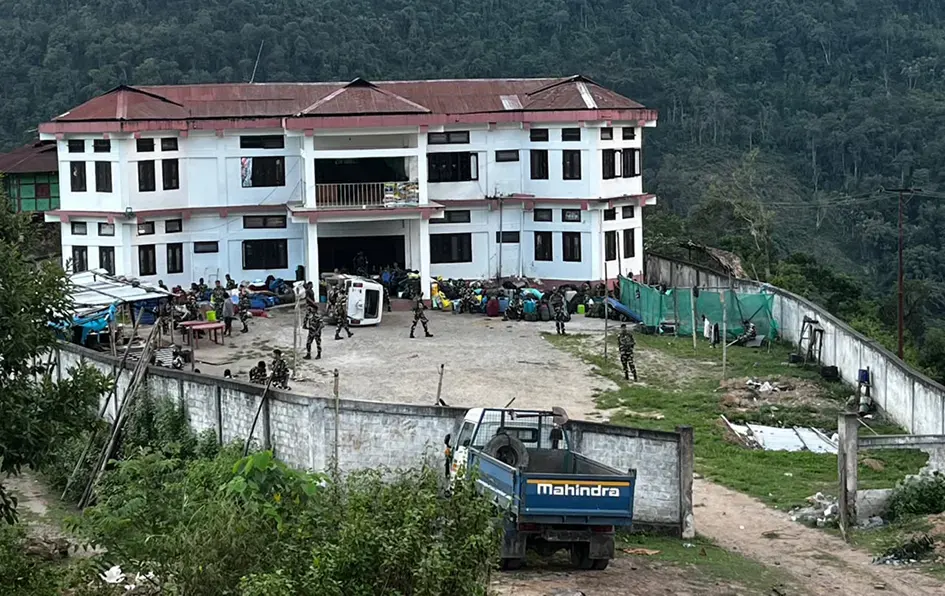
The incident occurred at around 6:30 AM near Nampong Nallah, under the Nampong Circle of Changlang district in Arunachal Pradesh, right along the India-Myanmar border. The patrol team was out carrying out what should have been a standard security operation. But in the dense terrain of Changlang, nothing is ever truly routine.
The personnel were reportedly conducting a patrol near an area where fencing work is currently underway as part of ongoing efforts to strengthen border surveillance and security infrastructure. That detail matters. These soldiers weren’t out on some distant mission — they were protecting a construction site, doing the unglamorous, grinding work of securing a border that has long been a pressure point for India’s internal security.
Preliminary information suggests that the attack was carried out by cadres of the NSCN-K-YA — the Yung Aung faction — a militant outfit operating in this volatile stretch of the northeastern frontier. The NSCN-K-YA has been active in cross-border violence for years, using the porous India-Myanmar boundary to its advantage. The timing of this attack — right at daybreak, when visibility is low and a patrol is just settling into its stride — suggests this was not opportunistic. It was planned.
What strikes you most about an incident like this is the sheer ordinariness of the moment before it happens. A team assembles. Boots hit the ground. The forest swallows them whole. And then, without warning, the morning turns violent.
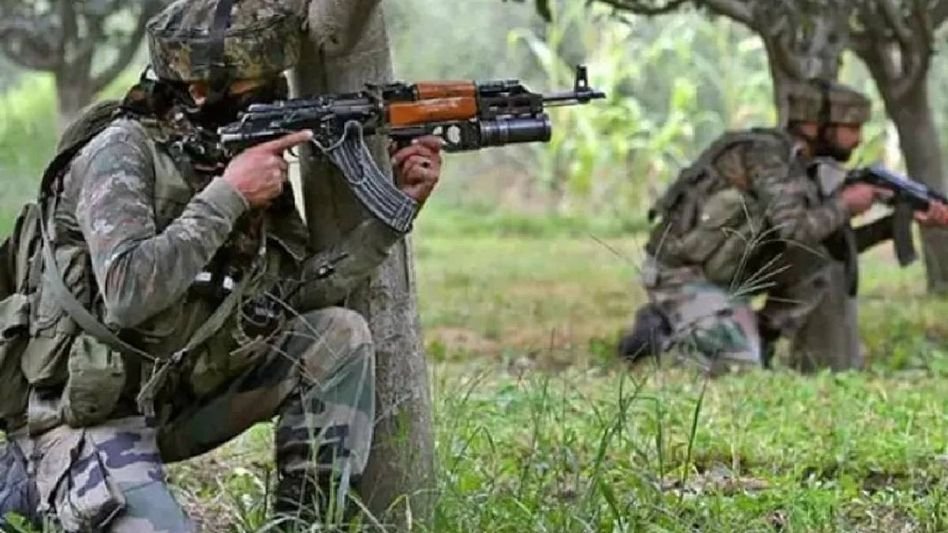
Following the attack, security forces swiftly launched operations in the area to track down those responsible and secure the border region. Troops have fanned out into the terrain, and security agencies are maintaining heightened alert across the area in the aftermath. The search is active. So is the grief.
Changlang district has long been considered one of the more sensitive zones along India’s northeastern frontier. The district borders Myanmar and has historically been a corridor for insurgent movement. The ongoing fencing project along this stretch is itself a statement — an acknowledgment that this border needs more than just boots on the ground, it needs physical barriers that insurgent groups cannot exploit at will.
Havildar Jankhokai Kuki was 42. A havildar is not a young recruit — he was an experienced soldier, the kind who’d seen his share of difficult terrain and dangerous situations. He was the sort of man a patrol team relies on. The kind who knows the jungle, reads the silence, and keeps the younger ones steady. His loss is not just a statistic in a ministry briefing — it is a wound in the fabric of his unit, his family, and his community.
India builds fences along its borders to keep threats out. Soldiers like Jankhokai Kuki are the ones who guard the fence-builders. And sometimes, the price of that protection is everything.