
A shutdown that paralysed parts of Arunachal Pradesh has pushed the state’s Chief Minister to the negotiating table — and Pema Khandu isn’t happy about how things reached this point.
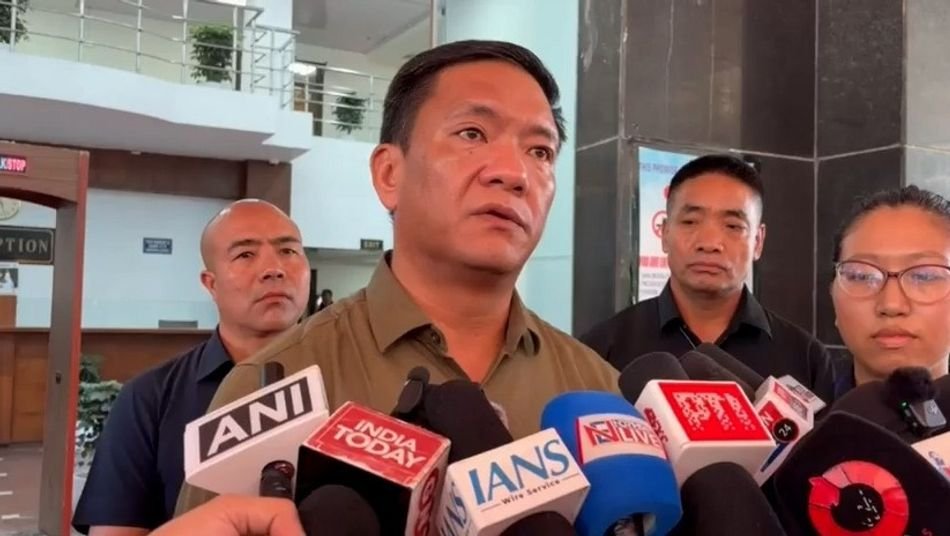
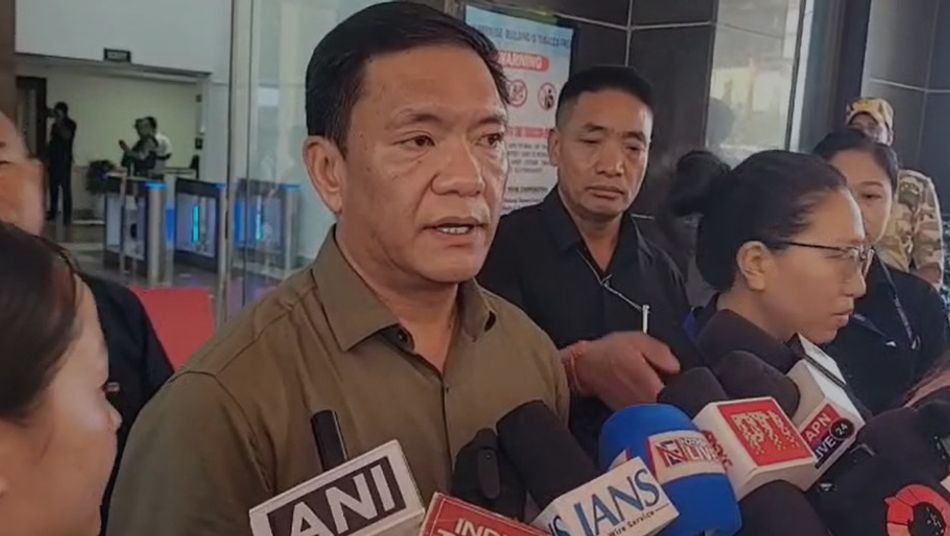
Chief Minister Pema Khandu has described the 12-hour bandh called by the All Nyishi Students’ Union (ANSU) as “unfortunate,” even as he assured that the state government remains fully committed to improving education infrastructure across Arunachal Pradesh.
ANSU had observed the 12-hour shutdown in the Itanagar Capital Region on September 24, alleging that its demands concerning education infrastructure had not been adequately addressed. Schools shut. Businesses downed shutters. Normal life in the capital region ground to a halt — all over demands that, according to the Chief Minister himself, the government had already largely addressed. That’s what makes this situation particularly frustrating to watch.
So what exactly did ANSU want? The students’ body sought the renovation and upgradation of 56 identified schools, the establishment of a special-needs school in Pakke Kessang, development of the Government Engineering College at Toru, and improvement of Late Neelam Taram Government College. These are not outlandish demands. They are basic. And that’s precisely the point — that basic demands for a community’s children should never have to come to this.
Khandu’s explanation for why things escalated this far is telling. He attributed the situation to a communication gap, saying the government’s decisions and plans had not been properly conveyed to ANSU members through dialogue. In other words, the government had been working on the issues — students just didn’t know it. Whether that’s an honest admission or a convenient defense is something people in Nyishi-inhabited areas will debate for a while.
The Chief Minister said he would hold a round-table discussion with ANSU representatives on September 26 to discuss the union’s three key demands relating to education infrastructure. A sit-down was long overdue. If the communication lines had been open earlier, a bandh that disrupted thousands of people’s daily lives might never have happened.
The stakes are getting higher. ANSU subsequently announced a 48-hour bandh across seven Nyishi-inhabited districts from September 28 if its demands are not addressed. That’s a significant escalation — seven districts, 48 hours. The September 26 talks, therefore, carry real weight. This isn’t just a meeting, it’s a chance to stop things from getting worse.
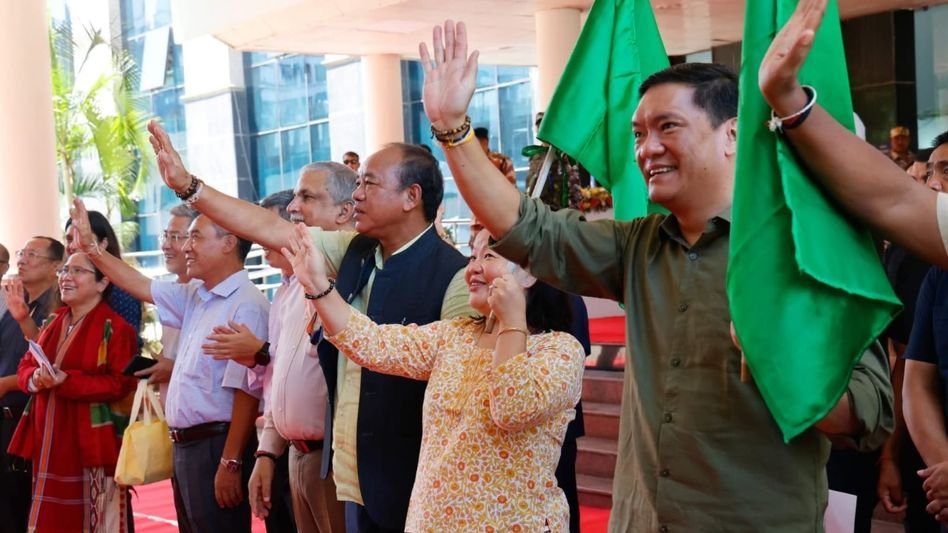
Khandu reiterated that education is a priority sector for the Arunachal Pradesh government, not only in Nyishi-inhabited areas but across the state. He backed that claim with a timeline. The year 2029 has been set as the saturation target for improving and strengthening educational infrastructure across Arunachal Pradesh, with the government working towards upgrading facilities in a planned and phased manner.
Targets and timelines sound good in press statements. But students and parents across Arunachal have heard promises before. What ANSU is really asking for isn’t just acknowledgment — it’s action on the ground, in classrooms that have been waiting too long for repair, in colleges that should already be functioning at full capacity.
The September 26 round-table will be a critical test of whether this government can move from words to work. If it doesn’t, seven districts going dark for 48 hours will be the least of anyone’s problems.