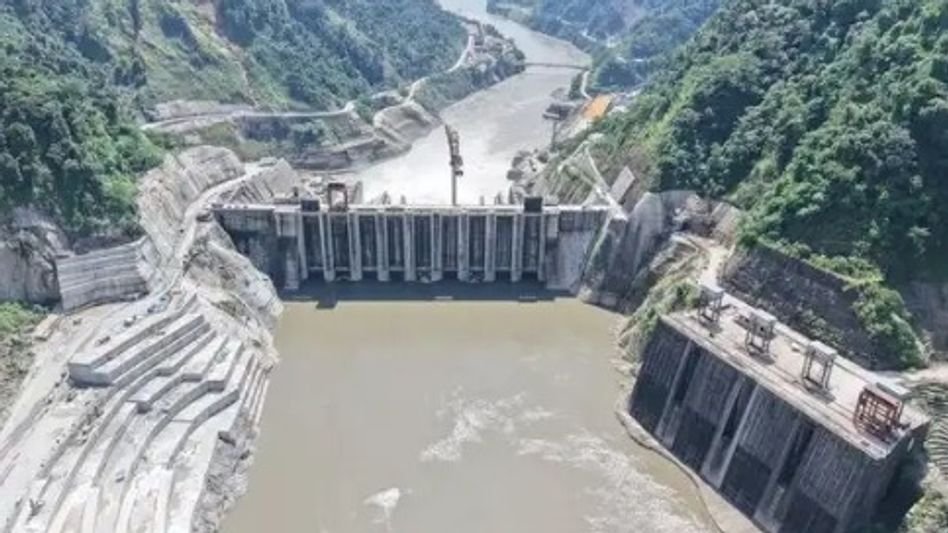


In the middle of a busy school week, hundreds of students across Siang district sat down not for a math test or a history lesson — but to ask hard questions about a river they’ve grown up beside their whole lives.
A school exhibition drive centred on the proposed Siang Upper Multipurpose Project, widely known as SUMP, made its way through four schools between September 16 and 21, reaching approximately 640 students in total. The initiative is part of a broader effort to pull back the curtain on a project that has stirred no small amount of debate across Arunachal Pradesh.
The drive kicked off on September 16 at Government Higher Secondary School in Rumgong, where about 120 students gathered for the first session. From there, the team moved to St Joseph School in Kaying on September 17 — and that’s where things really came alive. Around 260 students showed up, making it the largest single turnout of the entire drive. The energy in those kinds of sessions is hard to fake. When young people crowd into a hall and start raising their hands, something is genuinely connecting.
The exhibition returned to Kaying on September 19 at the Government Higher Secondary School, drawing roughly 80 students, before wrapping up on September 21 at Government Higher Secondary School in Pessing, where approximately 180 students participated.
Each session followed a similar format — a guided walkthrough tracing the journey of the Siang River, breaking down what SUMP actually proposes to do, and then opening the floor for questions. Flood management, clean energy, river conservation, regional development — these weren’t abstract policy terms being thrown at students. They were questions about the land and water that shape daily life in these communities.
The Q&A segments, by all accounts, were where the sessions found their real purpose. Students didn’t just sit and listen. They pushed back, asked for clarity, and raised concerns about water management and flood control. That kind of engagement is exactly what outreach programmes like this are supposed to generate — and often don’t.
School authorities at all four institutions extended their support and encouraged students to participate fully. The organisers were clear about the intent: this wasn’t a promotion exercise. It was aimed at closing information gaps and giving students a factual foundation to understand the Siang River and what a project of this scale could mean for their region.
The SUMP has been a subject of significant local opposition — the Adi community has vocally demanded the project’s scrapping, and the state cabinet recently formed a high-level panel to oversee survey work. Against that backdrop, bringing the conversation directly into classrooms carries weight. Whether one supports the project or opposes it, informed communities make for better outcomes than ones left in the dark.
Organisers say they intend to keep the outreach going across Rumgong, Kaying, and Pessing — prioritising transparent communication over time.
640 students is not a huge number in the grand scheme of things. But if even a fraction of them grow up understanding what hydropower means for their river, their valley, and their future — that’s a conversation worth having started.