
The voter list is shorter by over 21 percent. Congress wants to know exactly why — and it wants that answer constituency by constituency.
When Arunachal Pradesh’s Chief Electoral Officer published the Final Photo Electoral Roll under the Special Intensive Revision (SIR) 2026 on September 22, the numbers told a striking story. The state’s registered electorate had dropped from 8,87,505 to just 6,96,026 — a fall of 1,91,479 voters, or roughly 21.58 percent in one revision cycle. That’s not a rounding error. That’s nearly two lakh people off the list.
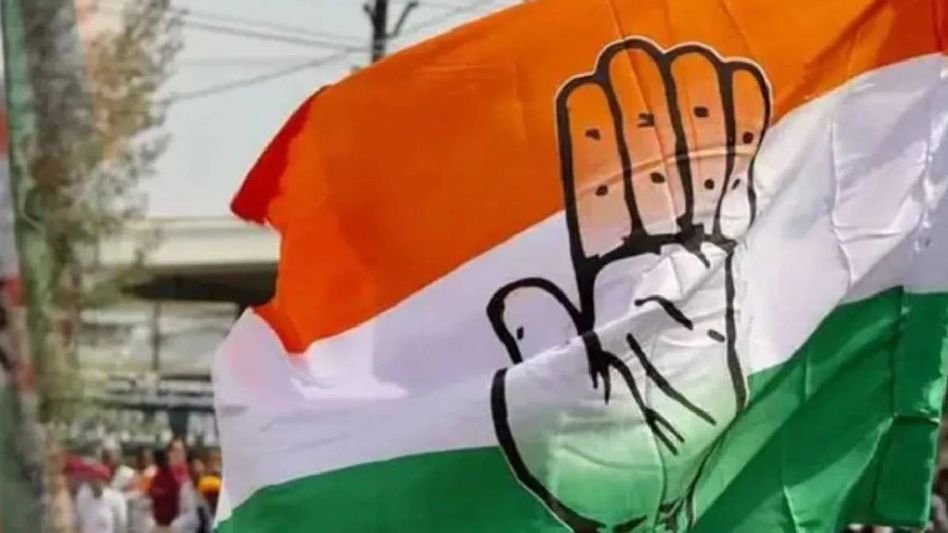
The Arunachal Pradesh Congress Committee (APCC) has welcomed the publication of the final roll and acknowledged the hard work that went into it. They gave credit where it was due — naming Chief Electoral Officer Pawan Kumar Sain, Joint CEO Liken Koyu, Deputy Commissioners, Electoral Registration Officers, Booth Level Officers and the many field-level officials who worked through the sprawling revision exercise. That part was gracious. But Congress wasn’t done talking.
The party is now pushing for something that feels both reasonable and overdue: a constituency-wise breakdown of who was added, who was removed, and why. With a reduction of this scale, they argue, the public deserves more than aggregate numbers.
The revised roll lists 3,43,709 male electors, 3,52,315 female electors, and two third-gender electors. The final roll also carries 5,552 service electors. Back when the draft roll was published on July 21, the count stood at 7,18,046 — of which 6,32,871 were mapped and 85,175 remained unmapped. Authorities issued 2,18,588 notices for verification of unmapped electors and those flagged with logical discrepancies. During the claims and objections window, 18,598 applications came in. After scrutiny, 8,803 names were added and 1,924 were deleted.
The APCC has also flagged a complaint filed by its unit in the 20-Tali Assembly Constituency, which reportedly raised concerns about multiple enrolments and names of deceased persons still appearing on the roll. The party was careful to add that these allegations need to be verified by electoral authorities — they weren’t prejudging anything. But they did ask the CEO’s office to look into it under applicable rules and take action if discrepancies are confirmed.
What makes this more than a political statement is the geography involved. Arunachal Pradesh isn’t a state where electoral exercises can be conducted in cookie-cutter fashion. Remote villages, border settlements, seasonal movement of communities, difficult terrain — these aren’t abstract challenges. They are the daily reality of thousands of voters who may have been marked absent when they were simply unreachable. Congress specifically called for special attention to elderly citizens, students, seasonal migrants, government employees, defence and security personnel, and those in geographically isolated areas.
The APCC also announced it would examine the SIR 2026 data on its own, constituency by constituency and district by district, and raise independently verified discrepancies with the election authorities. Party workers at the district, block and booth levels have been directed to help citizens check whether their names are on the final roll and guide eligible voters toward prescribed remedies.
The statement was issued by Kon Jirjo Jotham, General Secretary-cum-Spokesperson and Chairman of the APCC’s Media and Social Media Department.
At the heart of all of this is a principle that no one is really arguing against — removing ineligible names makes the roll cleaner. But if a genuine voter lost their name because of an administrative lapse, bad terrain or a notice they never received, that’s a different kind of problem entirely. And it’s the kind of problem that only gets solved when the data is open, accessible, and examined with the seriousness it deserves.