
Anini has long been one of the most isolated district headquarters in the entire country. Getting there means hours of bumpy, nerve-wracking drives through terrain that seems to resist every effort humans make to tame it. That may finally be about to change.
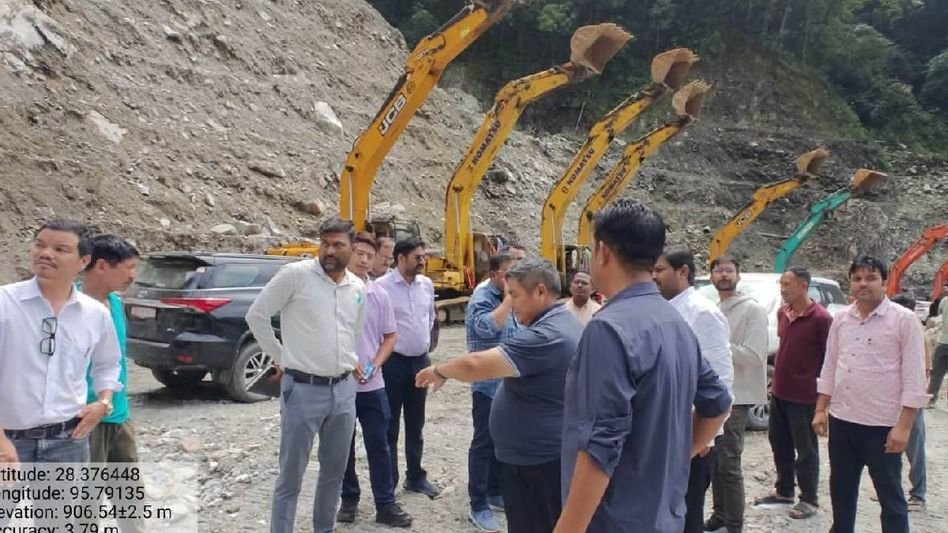
Senior officials from the National Highways and Infrastructure Development Corporation Limited (NHIDCL) descended on Roing on Tuesday, September 22, for a hands-on review of the ambitious 74.863-km Roing-Hunli Greenfield Alignment along NH-313 — a highway project that, when complete, will dramatically reshape life in the Dibang Valley region of Arunachal Pradesh.
The site visit wasn’t just a formality. The inspection brought together a substantial gathering of stakeholders — the MLA from Dibang Valley, the Deputy Commissioners of both Roing and Anini, and NHIDCL’s own Executive Director and General Manager from the Project Management Unit in Roing. Everyone in the room knew what was at stake.
The deadline is December 31, 2026. That’s the target set for the road works portion of the project. Bridge works are scheduled to follow, with a completion date of March 31, 2027. That’s an aggressive timeline, especially in a region where the mountains themselves seem to push back.
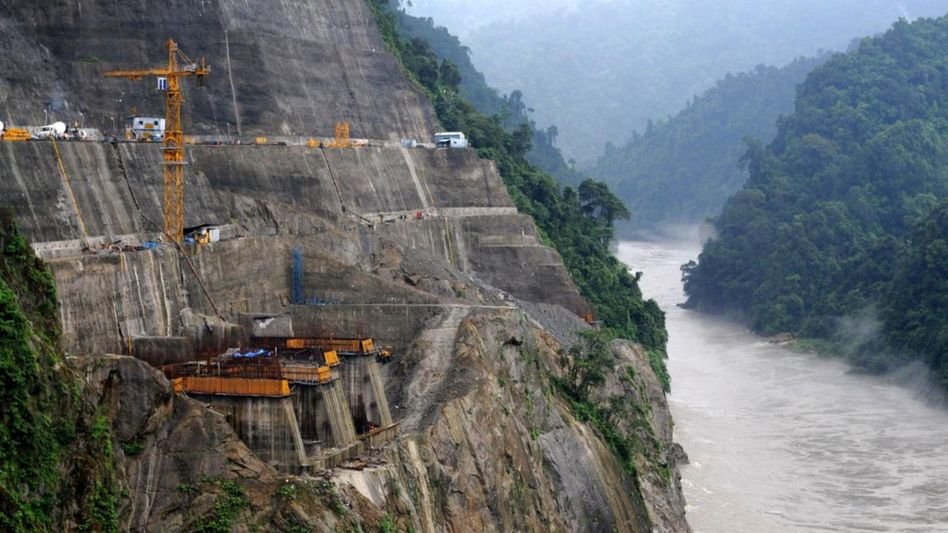
And push back they do. The Dibang Valley is not forgiving terrain. Landslides, dense forests, and unpredictable weather conditions have historically made construction in this part of Arunachal Pradesh slow, expensive, and exhausting. Officials at the review acknowledged the challenges posed by the difficult terrain and discussed specific measures being taken to speed things up. The fact that senior officials are conducting site visits rather than managing things from a distance in Itanagar is, in itself, a sign that there’s real urgency behind this project.
The Roing-Hunli Greenfield Alignment is more than just a stretch of tarmac. It is a lifeline. Right now, Anini — the headquarters of Dibang Valley district — sits cut off from easy access for most of the year. Supplies cost more. Medical emergencies are harder to manage. Economic growth is stunted before it can even begin. Residents have waited years, sometimes decades, for the kind of basic connectivity that people in other parts of India take completely for granted.
Once this highway becomes operational, the calculus changes entirely. Goods will move faster. People will have better access to healthcare, education, and markets. The region’s rich cultural heritage and natural beauty could even attract more visitors, giving local communities a genuine economic opportunity. It’s the kind of infrastructure investment that doesn’t just build roads — it builds futures.
Of course, promises and deadlines in the world of highway construction have a complicated relationship. Anyone who has followed infrastructure projects in Northeast India knows that timelines can stretch, sometimes painfully. But the level of oversight visible in this latest review — cross-departmental, high-ranking, and done on the ground — suggests that authorities are treating this deadline with genuine seriousness.
For the people of Dibang Valley, hope has been a long time coming. If the Roing-Hunli highway reaches completion as planned, December 2026 won’t just mark the end of a construction project. It will mark the beginning of a new chapter for one of Arunachal’s most remote and resilient communities — and that is worth watching very closely.