
A long-standing demand has once again landed on the Chief Minister’s desk — and this time, the people of Upper Subansiri aren’t leaving without an answer.
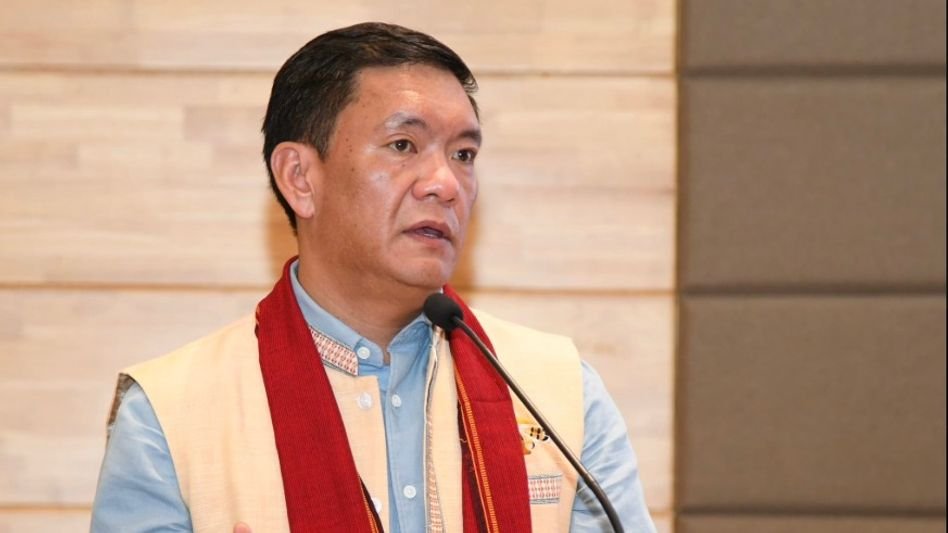
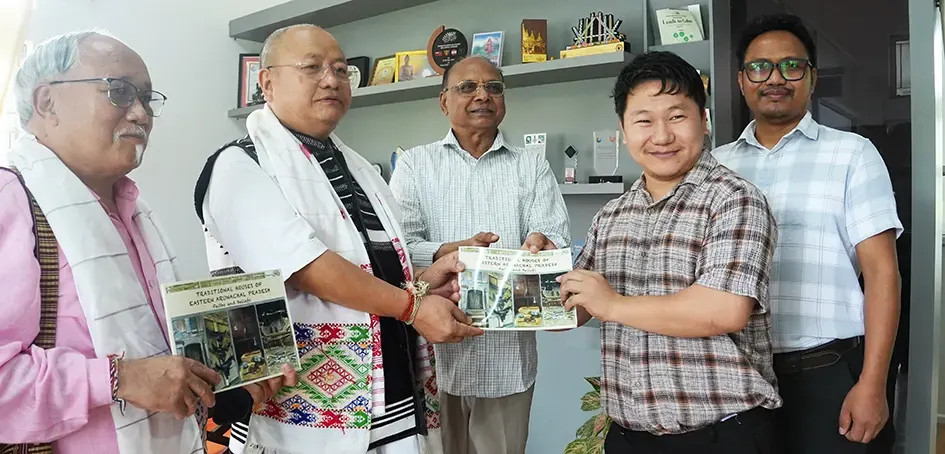
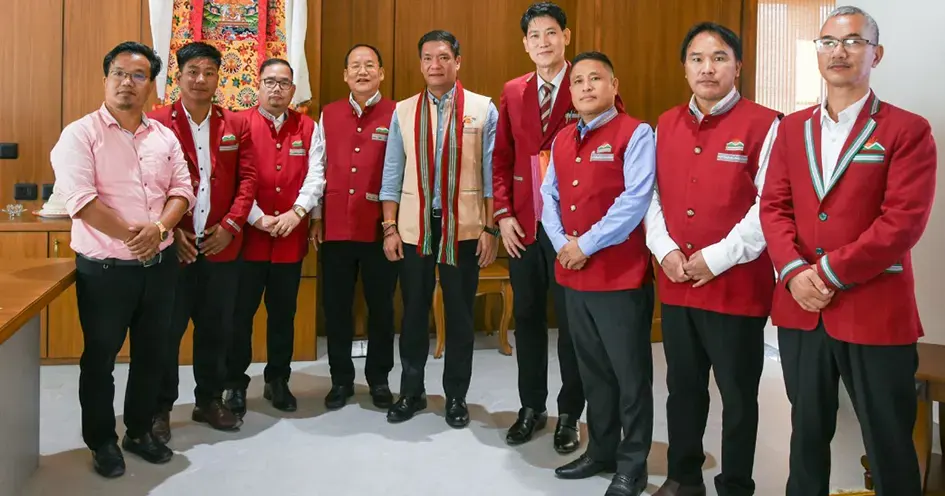
On Monday, a powerful combined delegation walked into Chief Minister Pema Khandu’s office in Itanagar. They came representing the Tagin Cultural Society (TCS), the All Tagin Youth Organisation (ATYO), and the Siyum-Nacho-Limeking-Taksing Students Union (SINALITASU). TCS president Larji Rigia and general secretary Tuter Dulom led the charge, handing over a memorandum packed with some very urgent grievances about the state of Upper Subansiri district.
The top demand? Create Sinyik district — now.
The TCS wants Upper Subansiri bifurcated and the proposed Sinyik district declared without further delay. This is not a new ask. Tagin organisations have been pushing for this for years, and the frustration behind the demand is understandable. The remote communities in the upper reaches of the district face grinding administrative hurdles just to access basic government services. A new district wouldn’t just be a name on a map — it would mean shorter distances, faster decisions, and people not having to travel half a day to file a simple application.
There’s something worth sitting with here. When communities have been raising the same demand year after year and it keeps getting “considered,” the word starts to feel hollow. These aren’t abstract policy debates for the people of Upper Subansiri. They’re daily realities.
But the memorandum didn’t stop at district creation. TCS general secretary Dulom also raised a matter that’s clearly been simmering — the question of identity for the Nah community of the Taksing area. According to the TCS, a recent public statement apparently referred to the Nah people as a separate tribe, which the society disputes. Their position is clear: the Nah are a sub-clan of the Tagin tribe, not a standalone tribal identity. Dulom appealed to the Chief Minister to set the record straight. Identity politics in the Northeast, especially around tribal classification, carries enormous social and administrative weight — this is the kind of thing that needs careful handling at the highest level.
The delegation also raised alarms about infrastructure in the border areas. Upper Subansiri shares a frontier that matters deeply from a national security standpoint. The Tagin organisations didn’t mince words — they want improved connectivity and essential infrastructure in these strategic zones, and they want it prioritised. Every unmetalled road and broken bridge in a border area is not just an inconvenience. It’s a vulnerability.
Rounding out their concerns, the TCS highlighted the need for better facilities in Kodak, under Taliha constituency — another area where people struggle with poor access to government services and basic amenities.
Chief Minister Pema Khandu, for his part, assured the delegation that he would take up their demands and initiate necessary steps in consultation with the relevant authorities. It’s a measured response — neither a firm commitment nor a closed door.
Whether those assurances translate into action will be watched very closely. Upper Subansiri has waited long enough. The people of the Tagin community are not asking for charity. They’re asking for what administrative geography should have already given them — a government close enough to actually govern.