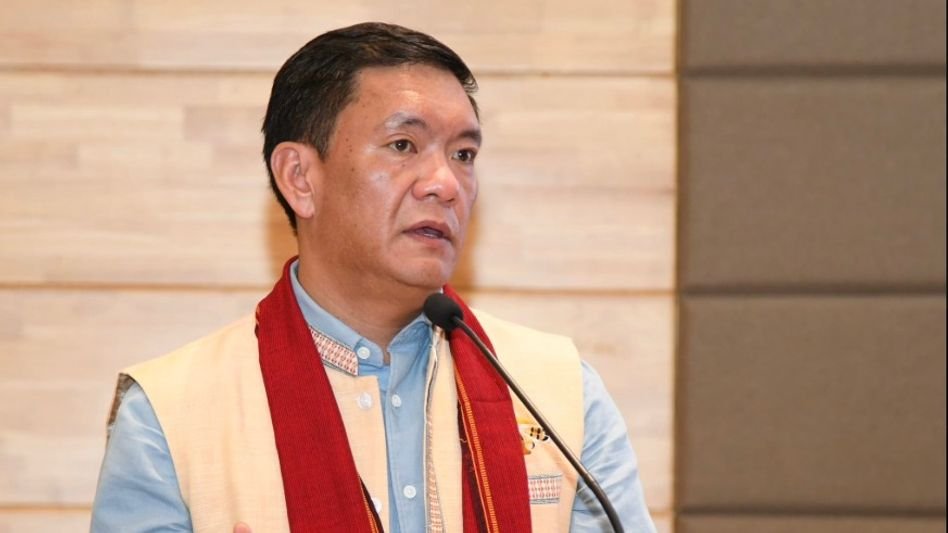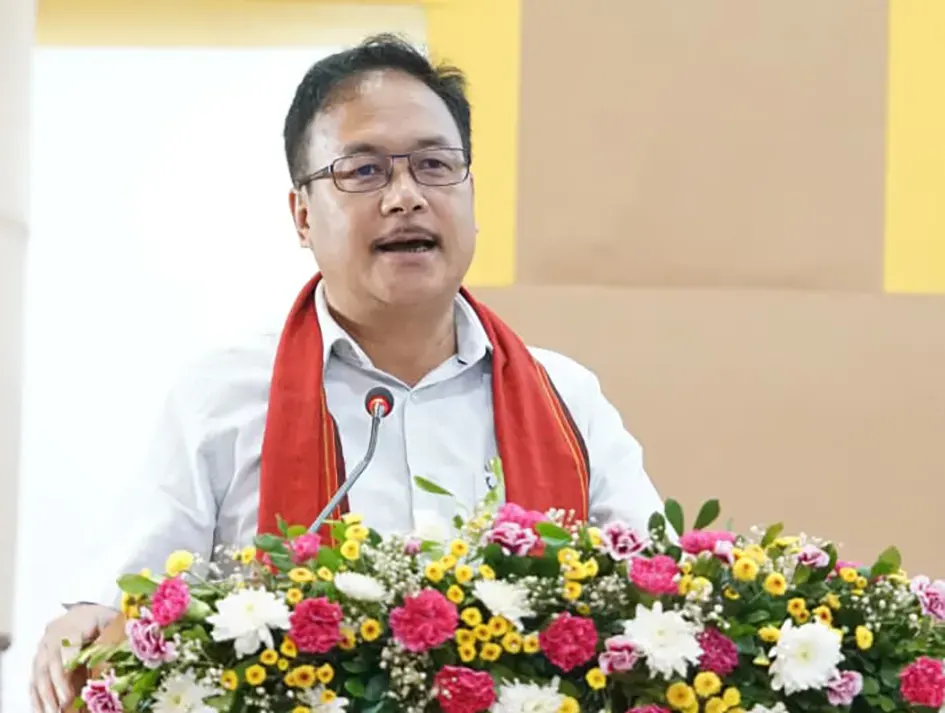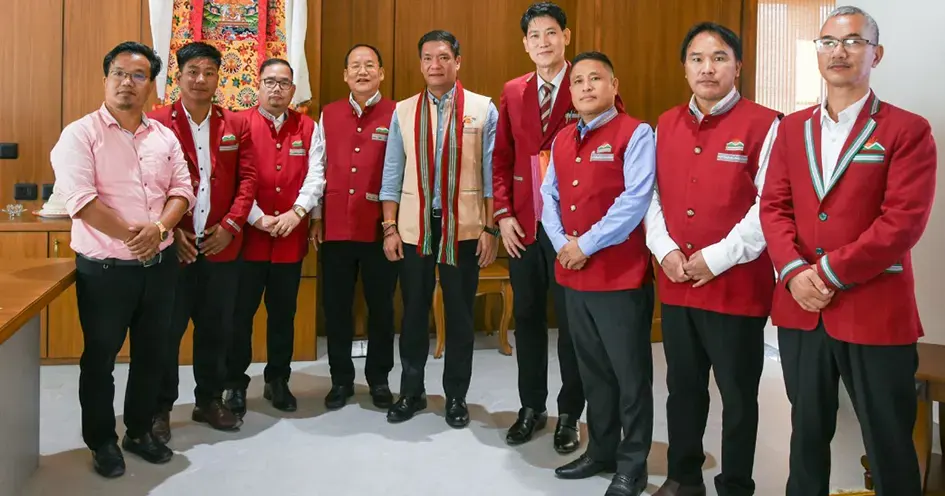

There are visits politicians make for photographs — and then there are visits that mean something. Rajya Sabha MP Tai Tagak’s stop at the Research Institute of World’s Ancient Traditions, Cultures and Heritage (RIWATCH) in Roing, Lower Dibang Valley, appears to fall firmly in the second category.
Tagak visited the RIWATCH campus at Khinjili and emerged from the experience not just impressed but vocal. He extended his full support to the institute’s ambitious proposal to transform into UWATCH — the University of World’s Ancient Traditions, Cultures and Heritage — a vision that would turn this already remarkable institution into a globally recognised centre for indigenous knowledge, civilisational studies, and cultural preservation.
And this isn’t some far-fetched dream scribbled on a napkin. The UWATCH proposal has been gathering serious institutional momentum. Arunachal Pradesh’s Governor Lt Gen KT Parnaik (Retd.) has already backed it, calling it a potential global hub for comparative civilisational studies and intercultural dialogue. The state’s Director of Indigenous Affairs, Likha Suraj, visited the campus in August and urged that the proposed university be built on a sustainable model — one that could serve communities not just today but across generations.
Tagak, freshly elected to the Rajya Sabha in June 2026, is among the latest influential voices lending weight to the cause.
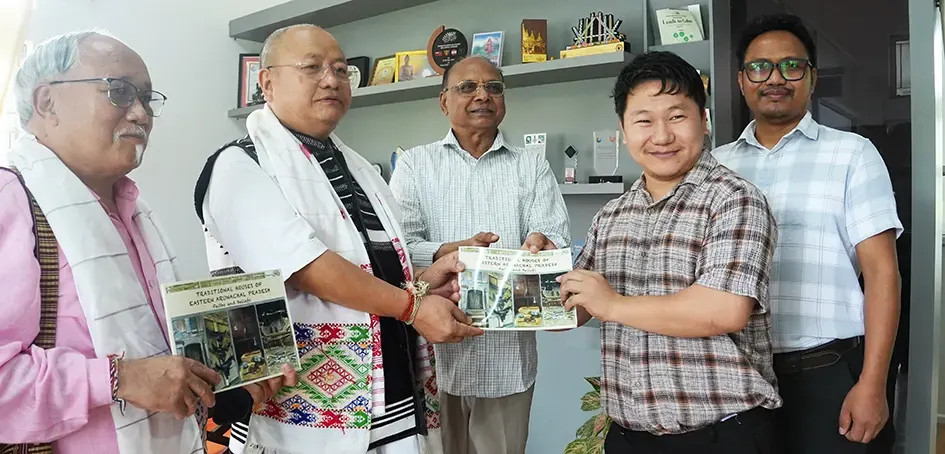
It’s easy to understand the pull of the place. RIWATCH was established in 2009 and quietly grew into something remarkable — one of Northeast India’s most serious cultural research institutions. Walk through the campus in Roing and you’ll find a People’s Museum preserving artefacts from tribal communities across Arunachal, a Centre for Mother Languages that has published 36 books documenting languages at risk of vanishing, an Arogya Panchakarma wellness centre, and an audiovisual archive that holds the recorded memories of communities whose oral traditions were never written down.
The institute has forged academic collaborations with national and international universities, taken researchers into interior villages, and documented everything from ritual practices to folk narratives. Its RIWATCH Centre for Intangible Cultural Heritage recently completed a two-week fieldwork drive across Anjaw district. This isn’t a sleepy archive. It’s an active, living institution.
Still, turning an institute into a full university is no small ask. It demands infrastructure, sustained funding, faculty, and political will. That’s precisely why visits like Tagak’s matter — not just as gestures of solidarity but as signals to policymakers in Delhi that the people of Arunachal see real value in what RIWATCH is building.
Tagak himself has a long history of community engagement in the state. Before entering Parliament, the veteran BJP leader served in several key party and organisational roles and is widely regarded as someone with grassroots credibility. His endorsement carries reach beyond the press release.
Arunachal Pradesh has over 20 major tribal groups, dozens of indigenous languages, and centuries of knowledge embedded in oral traditions, medicinal practices and ecological wisdom — much of it still undocumented, still vulnerable. RIWATCH has spent 15 years trying to change that. UWATCH, if it comes to be, could ensure that work never stops.
That is what Tai Tagak came to Roing to say. And it’s the kind of thing that bears repeating until the university becomes real.