
The Siang Upper Multipurpose Project has long been a powder keg in Arunachal Pradesh. On Monday, Chief Minister Pema Khandu lit a match.
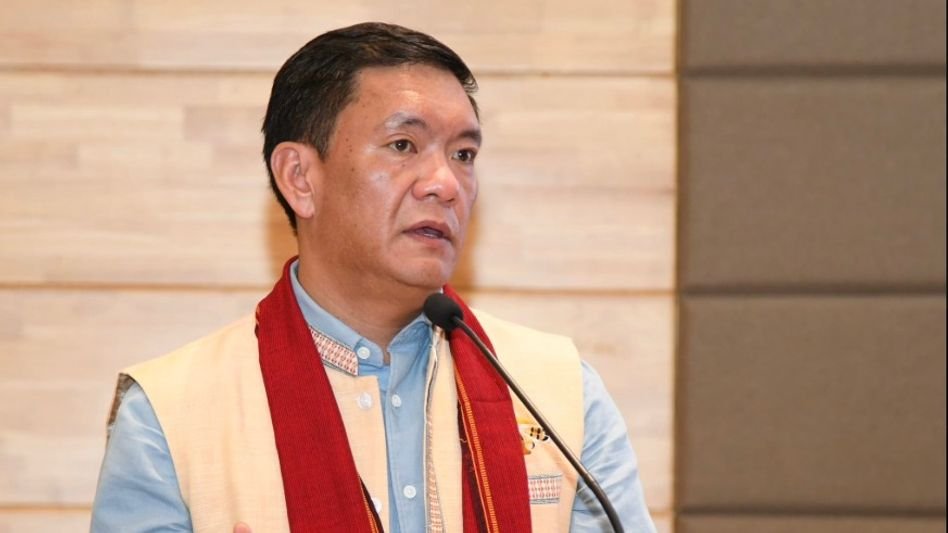
Amid mounting resistance from indigenous communities against pre-feasibility report (PFR) activities for the proposed Siang Upper Multipurpose Project (SUMP), Khandu convened a high-stakes consultative meeting in Itanagar — pulling in hundreds of government officers from the project-affected districts of Siang and Upper Siang. Deputy Chief Minister Chowna Mein was by his side. The message from the top was unmistakable: fall in line, or face consequences.
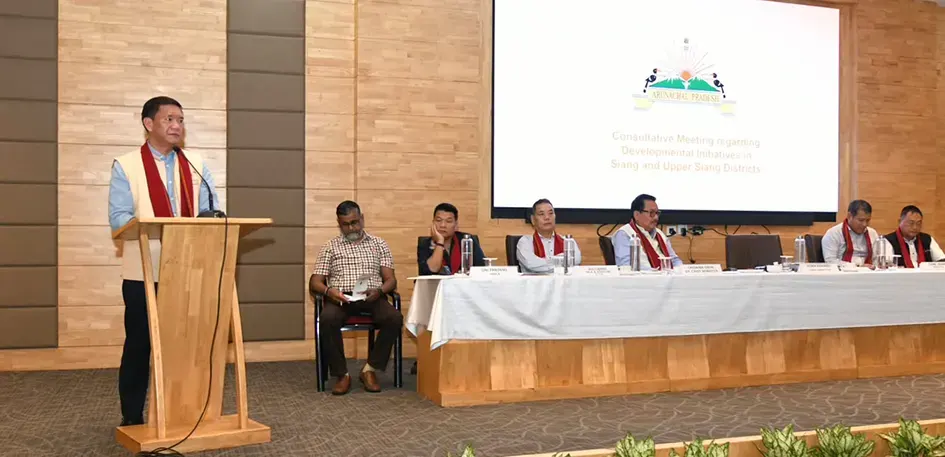
Khandu went as far as directing the Chief Secretary to initiate action against government employees found propagating views against the proposed dam. He framed it bluntly — this is a project of “national importance,” and government servants are bound to follow official orders. “I appeal to everyone to follow the government’s order and support this national project,” the CM said.
That’s a significant line to draw.
The meeting wasn’t just a pep talk, though. Senior technical experts — National Dam Safety Authority Chairman R Kashyap, former Geological Survey of India DDG JM Gautam, and former Central Water Commission member PM Scott — delivered detailed presentations on the project’s pros, cons, national value, and strategic significance. Officers were given the floor to raise concerns, and questions came. Plenty of them, reportedly.
Khandu did show a softer side. He acknowledged that the land ultimately belongs to the people and emphasised that tribal officers, given their deep roots in local communities, are best placed to carry the government’s message to villages. He insisted the government remains open to dialogue, and that no one would be forced into anything. A planned visit to Siang and Upper Siang — for both himself and Mein — was announced to take this engagement on the road.
He also claimed that roughly 75 to 80 percent of residents in dam-affected areas have already signed MoUs backing the PFR process. Some households in Geku, he acknowledged, have not signed — though 110 families there did sign back in June.
Not everyone is buying that figure. Adi Bane Kebang-United president Thomas Borang flatly disputed the claim, maintaining that a clear majority of villagers in Upper Siang and Siang are against the mega project — and has called for a complete halt to drilling and all PFR-related work. Earlier this month, protests erupted in Komkar and villages near Uggeng, with residents blocking PFR activities at proposed dam sites. The Siang Indigenous Farmers Forum has also condemned the deployment of security forces to push through the activities.
The ground reality and the government’s narrative are telling two very different stories right now. Both can’t be right.
What’s clear is this: the state government is in a hurry. Years of delays, legal entanglements, and community resistance have slowed the SUMP to a crawl. Monday’s meeting was Khandu’s most assertive move yet to break that deadlock. Whether using the threat of official action against dissenting employees will ease tensions — or ignite them further — is the real question hanging over the Siang valley tonight.
A dam, however important to India’s power ambitions, built on a community that feels unheard, will never truly stand on solid ground.