
In the quiet green valleys of Ziro, there is a school that doesn’t just teach children what to learn — it teaches them who they are.
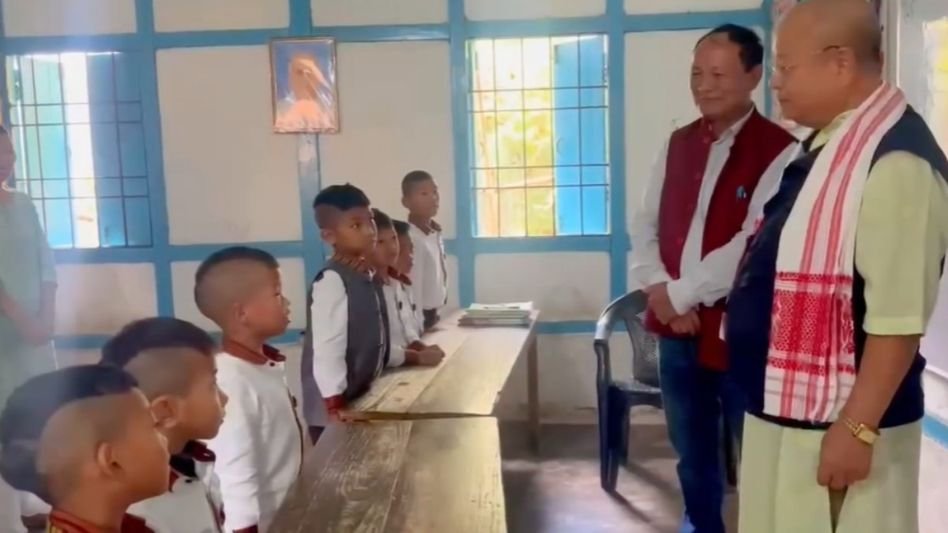
Rajya Sabha MP Tai Tagak visited the Miji Migumn Yarko on September 18, a one-of-a-kind indigenous residential school nestled in Arunachal Pradesh’s Lower Subansiri district. And the visit was far from a routine photo opportunity. Tagak walked through the school, met the people running it, and came out with a clear pledge — his support for the preservation of the Apatani community’s faith, language, and living traditions.
The Miji Migumn Yarko, widely referred to as the Apatani Gurukul, is doing something rare in today’s education landscape. It blends conventional schooling with indigenous knowledge systems — things like traditional prayer practices, cultural values passed down through generations, and lessons rooted in the community’s own worldview. It’s the kind of education that doesn’t make children choose between a modern future and their ancient identity.
That balance is not easy to strike. Schools across the Northeast often end up pulling children away from their roots without meaning to. Language fades. Rituals become unfamiliar. The names of things that once mattered get forgotten before they can be passed on. The Miji Migumn Yarko is a direct pushback against that quiet erosion. And it matters more than most people outside Ziro may realize.
Language is at the heart of it all. The school has introduced textbooks — including one titled Miji Migumn Yarko specifically for Class I students — designed to encourage mother-tongue learning from the earliest years. Get children reading and learning in their own language first, and you give them something that no amount of English medium schooling can fully replace: a sense of belonging that lives in their words.
Tagak’s visit comes at a time when such efforts are gaining both visibility and momentum. The Gurukul initiative is backed by the Donyi Polo Cultural & Charitable Trust (DPCCT) and supported by the Arunachal Pradesh government’s Department of Indigenous Affairs. That combination of civil society and official backing gives the school a fighting chance to grow, expand, and influence how the state thinks about education for its indigenous communities.
The MP’s presence sends its own message too. When elected representatives show up — not for inaugurations or ribbon-cutting, but to sit with educators and understand what they’re building — it signals something. It tells the community that what they’re doing is worth political attention, not just applause on cultural occasions.
Ziro itself is no ordinary place. Known for its terraced paddy fields, cool air, and the annual music festival that draws thousands, the valley is as much a symbol of Apatani identity as it is a tourist landmark. Having an institution like the Miji Migumn Yarko rooted here feels right. It says that the culture isn’t just for display — it’s alive, being taught, being chosen.
In a country moving fast, it’s easy to assume that preservation is someone else’s job. Tai Tagak’s visit to Ziro is a reminder that sometimes, it starts with simply showing up — and meaning it.