
When a Chief Minister has to publicly say “nothing is being forced,” you already know the situation is tense. That’s exactly where Arunachal Pradesh stands right now over the proposed Siang Upper Multipurpose Project — a massive hydropower initiative that has split communities in the Upper Siang region right down the middle.
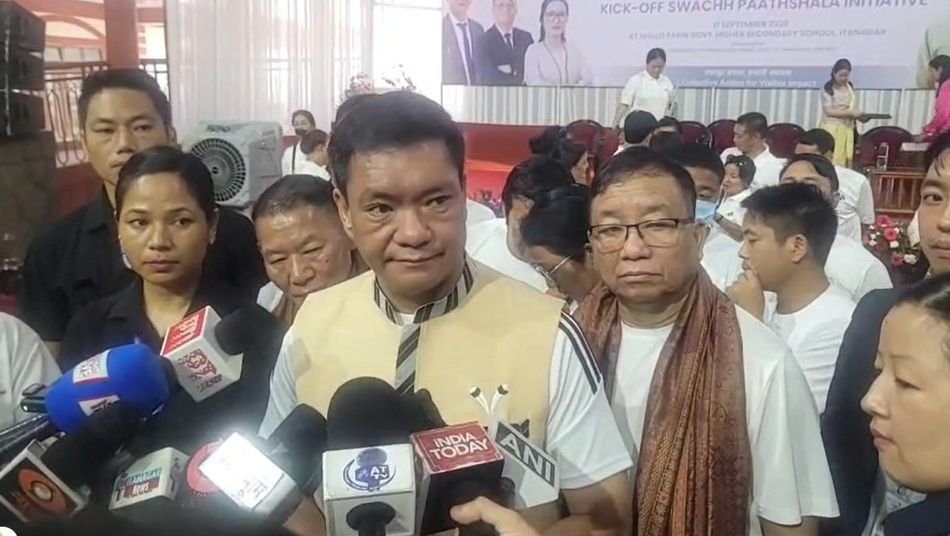
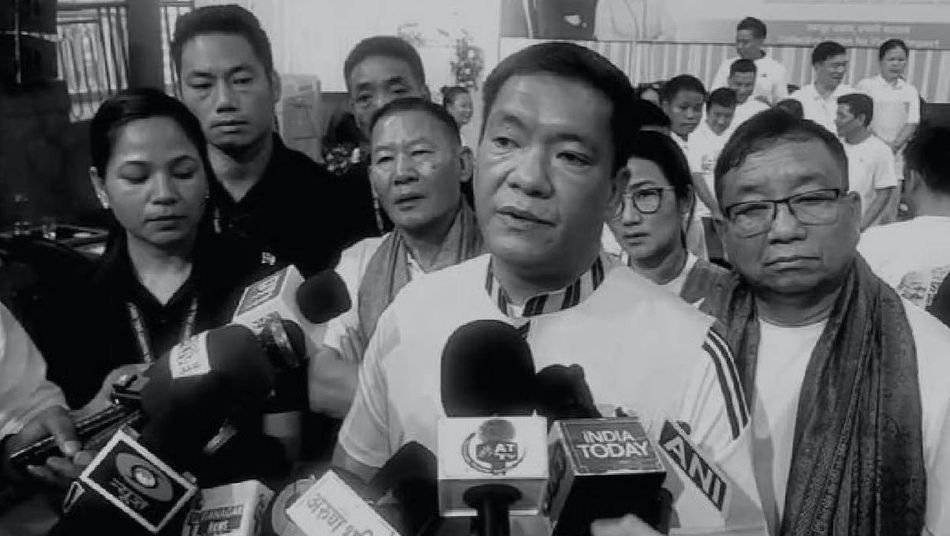
Chief Minister Pema Khandu broke his measured silence on the issue Wednesday, stating clearly that the government will not bulldoze its way through opposition to implement the Siang Upper Multipurpose Project, widely referred to as SUMP. He made it plain: the doors for dialogue are open, and no one will be dragged into this.
“There is nothing forceful,” Khandu said. “Any organisation, individual or group having any doubt regarding the pre-feasibility report may come and discuss with the government. Our doors are open for discussion.”
That’s a significant statement, and it matters. The SUMP has been in the planning pipeline for over two years now, with discussions around the project’s pre-feasibility report (PFR) ongoing through that time. The CM acknowledged that some residents and villagers have already come forward voluntarily and signed Memoranda of Understanding with the government in connection with the project. But he also acknowledged — which takes a degree of political honesty — that opposition still exists, and that it won’t be brushed aside.
The numbers around SUMP are, frankly, staggering. The proposed project is projected to generate somewhere between 11,000 and 11,200 megawatts of power. If it gets off the ground, it would dramatically transform Arunachal Pradesh’s hydropower landscape and contribute enormously to India’s national energy grid. For a state long described as sitting on a goldmine of untapped river energy, this is the kind of project that defines generations.
But here’s the thing — the Siang river doesn’t just flow through numbers on a spreadsheet. It flows through villages, through ancestral lands, through the cultural and spiritual lives of communities who have called this valley home for centuries. And that’s precisely why so many are pushing back.
Opposition groups and civil society organisations in the region have raised serious concerns — displacement of communities, potential environmental devastation, seismic risks in an already earthquake-prone region, and the irreversible impact on local cultural heritage. These aren’t fringe concerns. They’re the kind of fears that deserve face-to-face conversations, not bureaucratic reassurances from a distance.
To his credit, Khandu seems to understand that. He announced that he will personally travel to the Upper Siang region soon to meet with those who want to directly raise their concerns about the project. He said he intends to clarify doubts himself — not through intermediaries, but person to person. That kind of personal outreach is rare, and if followed through, it could shift the conversation meaningfully.
The CM also framed SUMP as a national project, signalling that the Centre’s interests are deeply tied to this initiative. That framing, while accurate, is also a double-edged sword — it could be read as added pressure on locals to comply, even as the CM insists the opposite is true.
The valley is waiting. The government says it’s listening. Whether those two things actually meet in honest dialogue — or dissolve into the familiar pattern of promises that outlast their intentions — will define not just the fate of SUMP, but the trust between Arunachal’s highland communities and the state for years to come.