
When world leaders walk out of a summit with a common agreement, that alone says something. When they do it under India’s watch — it says a whole lot more.
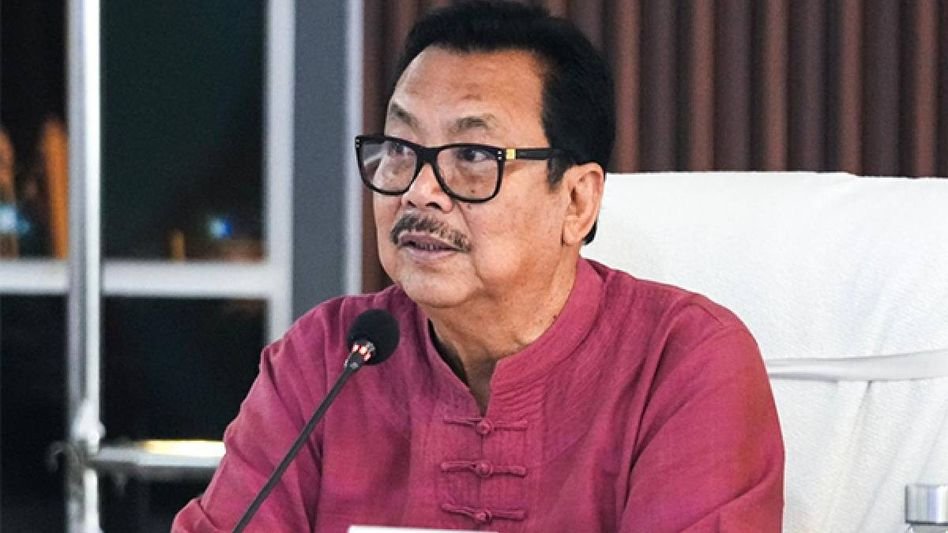
Arunachal Pradesh Deputy Chief Minister Chowna Mein made exactly that point on Sunday, stepping forward to heap praise on Prime Minister Narendra Modi after BRICS member nations reached a unanimous consensus at the 18th BRICS Summit held in New Delhi on September 12 and 13. For Mein, this wasn’t just a diplomatic win on paper. It was a statement about where India stands in the world today.
“A moment of immense pride for every Indian as leading newspapers across the world recognise the stellar leadership” of Modi in forging consensus among the BRICS nations — that’s how Mein put it in a post on X. Straight, sharp, and without any hedging.
And it’s hard to argue with the sentiment. Getting 10 countries — each carrying its own set of interests, tensions, and agendas — to agree on anything is no small feat. The BRICS grouping, which marked two full decades of existence at this very summit, is no easy room. You have emerging economies, old rivalries, competing geopolitical loyalties, and leaders who aren’t exactly known for rubber-stamping each other’s ideas. Yet, consensus happened. In New Delhi. Under India’s chairship.
Mein pointed to this as proof of Modi’s ability to bridge divides. He said the outcome demonstrated India’s growing influence in international diplomacy and reflected what he called Modi’s skill in bringing together countries with diverse interests, particularly amid the kind of geopolitical turbulence the world has been navigating lately. Whether you agree with that framing or not, the optics from the summit were undeniably strong for India.
The summit’s agenda itself was substantive — discussions revolved around resilience, innovation, cooperation, and sustainability. These aren’t just buzzwords tossed into a joint communiqué. They reflect the real anxieties of the Global South: how do you grow, adapt, and stay relevant when the old world order is being rewritten almost daily? India, chairing this summit, had the opportunity to shape that conversation. By all accounts, it did.
Mein also noted that the global press coverage of India’s role at the summit was a matter of national pride. He said the widespread international recognition reflected the “trust and respect” India commands on the world stage — a sentiment that will resonate far beyond political circles in Arunachal Pradesh.
This kind of vocal, enthusiastic support from a state-level leader is worth noting, too. Arunachal Pradesh sits at India’s frontier — a state that understands better than most what it means for India to project strength and credibility in global affairs. When Mein speaks about India’s rising voice in shaping a more balanced global order, he’s doing so from a state that has long existed in the shadow of larger geopolitical tensions. There’s weight to those words.
For now, the New Delhi summit has handed India a moment. Whether that moment becomes a movement in reshaping global multilateral structures will depend on what comes next. But if one summit can remind the world that India means business on the global stage — that’s a start worth celebrating.