
For hundreds of families across Arunachal Pradesh, Saturday wasn’t just another day — it was the day a years-long dispute finally ended without a single lawyer’s fee draining them dry.
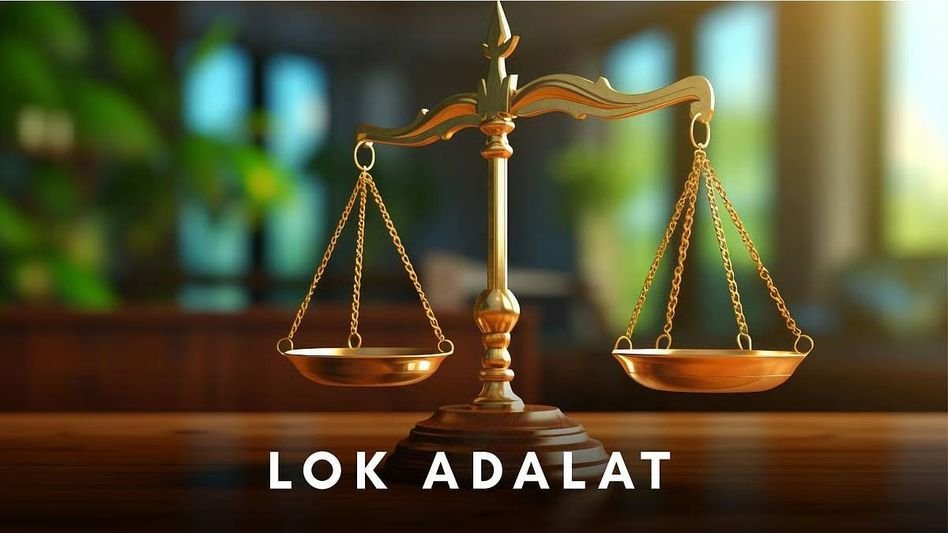
The National Lok Adalat swept across the state on September 13, and when the day was done, 202 cases had been settled and over Rs 2.38 crore worth of disputes had been resolved — all through mutual consent, all without the grinding delays that have become the norm in India’s overburdened court system.
The exercise was organised under the Arunachal Pradesh State Legal Services Authority (APSLSA), working hand in hand with District Legal Services Authorities (DLSAs) spread across the state. It wasn’t a small operation. Twenty-six Lok Adalat benches were set up — at the high court and across district courts — and a staggering 2,016 cases were brought to the table for hearing in a single day. Out of those, 202 reached a settlement. That may not sound like a massive number on paper, but for each of those 202 parties, it represents something courts rarely deliver quickly — closure.
What makes this exercise particularly striking is the range of disputes that found resolution. These weren’t simple matters. The settled cases covered civil disputes, matrimonial issues, motor accident claims, cheque dishonour cases, compoundable criminal offences, revenue matters, labour disputes and bank recovery cases. Some of these had been sitting pending in courts for over two years. Two years of uncertainty, of adjournments, of people waiting for something that a single structured day of mediation managed to unlock.
The total settlement figure came to Rs 2,38,89,413 — a precise number that tells you the accounting was careful and the settlements were real.
There is something deeply human about the concept of a Lok Adalat that gets lost in official press releases. At its core, it asks two opposing parties — people who may genuinely despise each other — to sit down, talk through their grievances with trained facilitators, and arrive at a figure or agreement they can both walk away from. No winner. No loser. Just resolution. That’s harder than it sounds, especially in cases involving motor accident grief or a bounced cheque that broke a business relationship. The fact that it worked 202 times in one day across Arunachal Pradesh says something about how ready people are for an alternative when one is actually offered.
Judicial officers, members of the legal services authorities, panel advocates and litigants all participated in making the day work. It is, in a sense, the justice system pulling in the same direction instead of across courtroom aisles.
Arunachal Pradesh has long grappled with the challenge of making justice geographically accessible — a state of mountains, remote valleys, and scattered communities where even reaching a district court can take hours. Initiatives like this, covering the entire state simultaneously through 26 benches, at least try to match the geography.
The question now, of course, is what happens to the remaining 1,814 cases that came up but didn’t settle. They go back to the queue. But for 202 families, the queue is over.
That, more than any official figure, is what this day was really about.