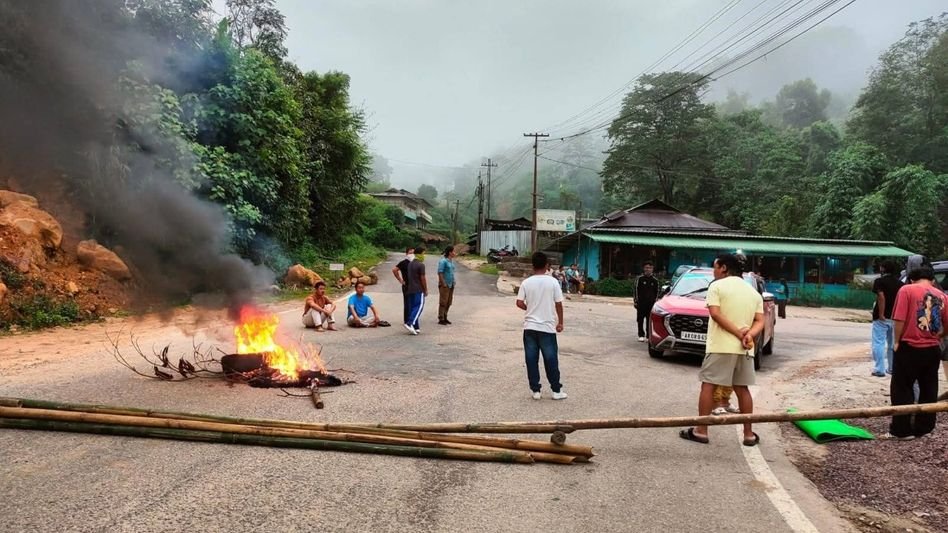

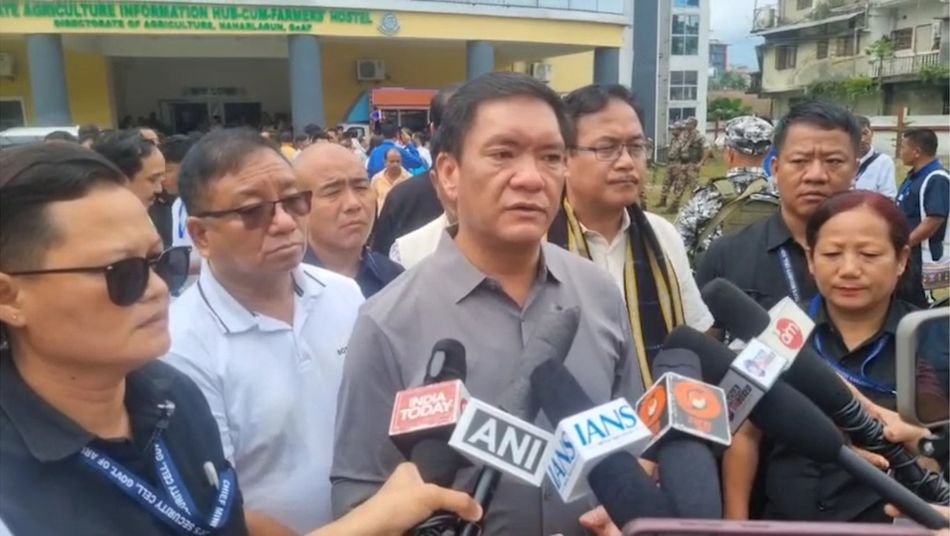
Violence is never the answer — and Arunachal Pradesh Chief Minister Pema Khandu made that crystal clear on Sunday when he stepped in to address the unrest brewing in Changlang district over the ongoing Special Intensive Revision (SIR) exercise.
Khandu directly appealed to students, youth, and residents of the district to calm down, respect the process, and — if they have genuine grievances — put them in writing and submit them to the appropriate authorities. His message was simple but firm: the system works when you work through it.
The SIR, for those unfamiliar, is a critical electoral roll revision exercise being conducted across Arunachal Pradesh after nearly two decades. That alone tells you how significant this process is. It’s not just a routine exercise — it’s essentially a once-in-a-generation review that determines who gets to be on the voter list. So the stakes are real. And understandably, tensions run high.
But what triggered violence in Changlang is exactly the kind of outcome authorities were hoping to avoid. Several people were reportedly injured amid the unrest. That’s when the Chief Minister chose to step in personally and address the situation head-on.
“The rules are very clear,” Khandu said, explaining that the documents required from applicants and their parents, as well as the submission procedures, are all clearly defined. Eligible applicants will qualify. Those who don’t meet the criteria, won’t. There’s no ambiguity there. What there shouldn’t be, he implied, is mob pressure trying to change that math.
He specifically called out committees and student bodies in Changlang, urging them not to attempt to interfere with or influence the SIR process. It’s worth noting — student unions in Arunachal Pradesh carry considerable social weight, and their involvement in local issues often shapes public sentiment. The CM seemed acutely aware of this when he made that appeal.
“If there is any deviation, please submit a complaint in writing, so that we can carry out further investigation into the matter,” he said. It’s a reasonable ask — channel your frustration into something the system can actually respond to.
Beyond Changlang, Khandu also shed light on his recent interactions with communities in the Taksing area — specifically, the Na (Nga) and Mara communities, both part of the Tagin society. He met with their representatives and apex bodies to understand ground realities and collect suggestions about developments along the India-China border. Those inputs, he said, were personally presented to Defence Minister Rajnath Singh during a recent New Delhi visit. The Centre, Khandu noted, is concerned about the situation and infrastructure support to border regions is expected in the coming days.
The Chief Minister also outlined the schedule for Vice-President C.P. Radhakrishnan’s upcoming two-day visit to Arunachal Pradesh — a milestone, being his first trip to the state in that role. A special session is planned for September 9, alongside programmes celebrating the state’s rich tribal and cultural heritage.
At a time when Arunachal Pradesh is balancing border sensitivities, electoral processes, and community tensions simultaneously, Khandu’s message to the people of Changlang carries more weight than just administrative direction. It’s a reminder that in a democracy, the pen — quite literally — is mightier than the road blockade.